
The French Revolution and The Birth of Museums
ARTICLES
By LS
2/16/2026
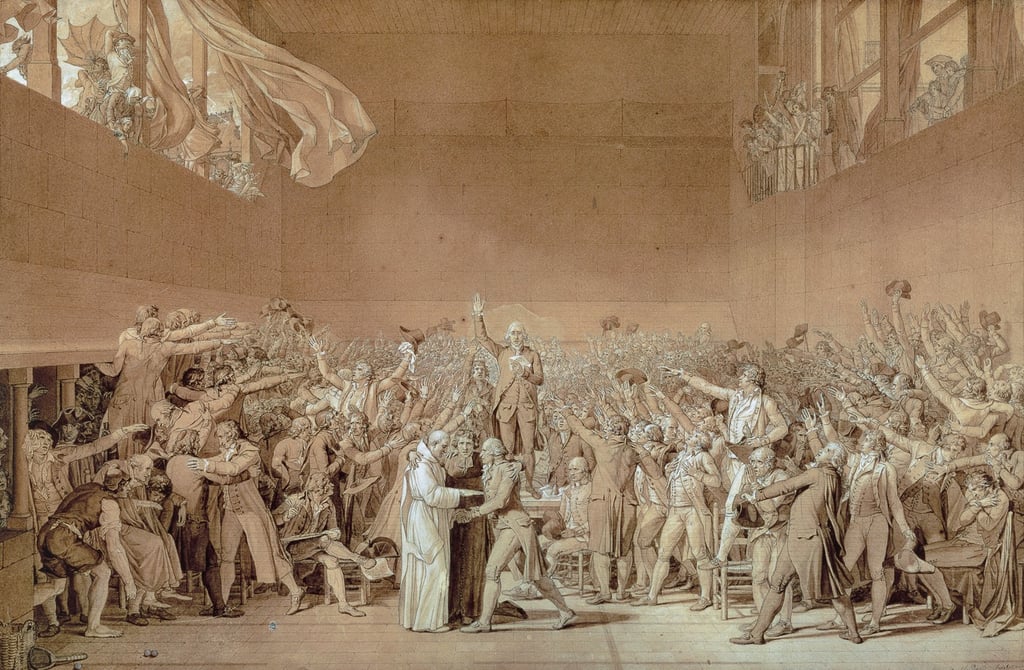
The French Revolution of 1789 was a pivotal moment in France's rich cultural heritage and museum history. From 1789 to 1793, the revolutionaries boldly confiscated not only the assets of religious institutions, but also those of the monarchy, émigrés and various educational establishments. This significant and unprecedented action inevitably raised the critical question of what to do with this enormous haul of invaluable works of art. While revolutionary vandalism raged across the nation and nationalised property was auctioned off indiscriminately, awareness grew of the importance of protecting this new cultural heritage, which could be used for public education and enlightenment. Commissions were established to catalogue the seized objects and determine their future. The prevailing theory that the works were being 'rescued' justified a vast and often controversial policy of appropriation, both within the country and in conquered territories. Following their significant victories against the united European powers, the revolutionary armies confiscated a wide array of stunning works of art from across Europe and returned them to the "Land of Liberty".
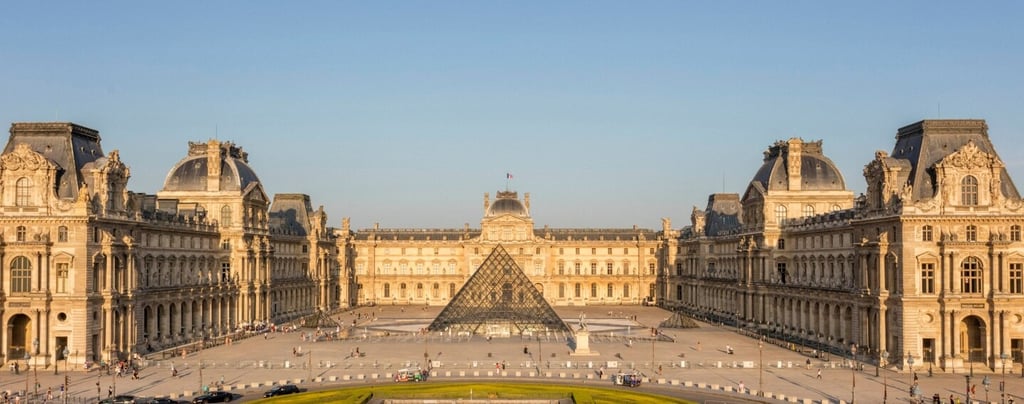
Unlike Blois or Fontainebleau, the Louvre is not an assemblage of structures from different periods. In fact, it is so cohesive a palace that the circumstances surrounding its gradual development are difficult to comprehend. One gets the sense that it was crafted by a single architect and constructed according to his vision in just a few years! In truth, however, more than a dozen architects worked on it over the centuries. Its origins date back to the Middle Ages, and it evolved over the centuries, reaching its zenith with the opening of the museum at the most unexpected moment: the French Revolution!
Paris, the vibrant epicentre of culture and innovation, became the capital of the arts. By 1793, it had acquired what would soon become known as the 'most beautiful museum in the world': the Musée central des arts, which later became the Louvre Museum. Transformation of the Louvre from a royal palace into a symbol of revolutionary ideals and public access to art marked a significant shift in how art was perceived and valued by society. It represented a commitment to sharing the treasures of the past with the citizens of France and the world, not just a repository of masterpieces. The evolving role of museums reflected the changing dynamics of power, culture and identity in a country redefining itself in the aftermath of revolution.