The Europeans - Trip to Giphantie
Fondation Henri Cartier-Bresson Paris France
EXHIBITIONS
By 16mag
5/16/2026
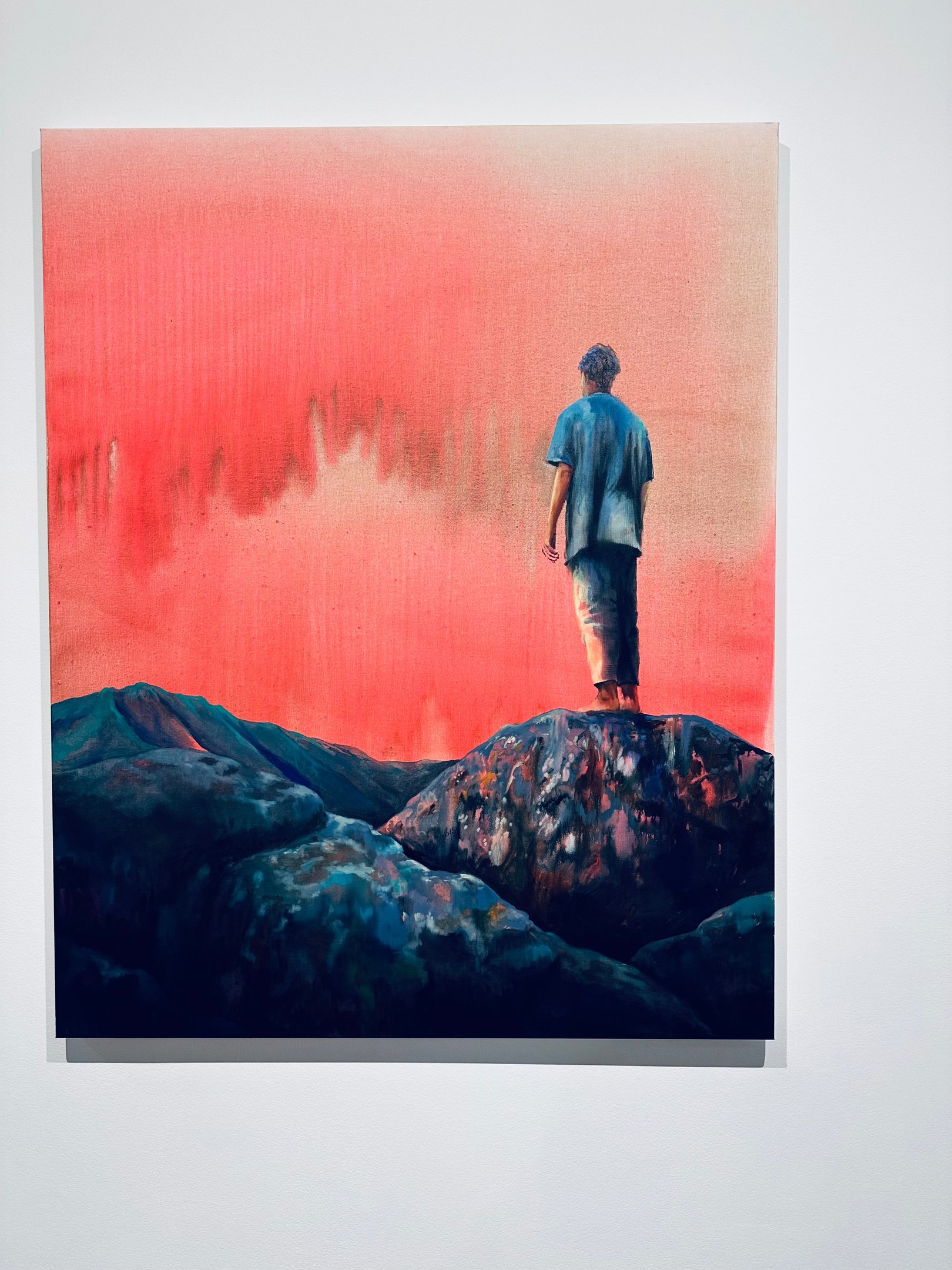
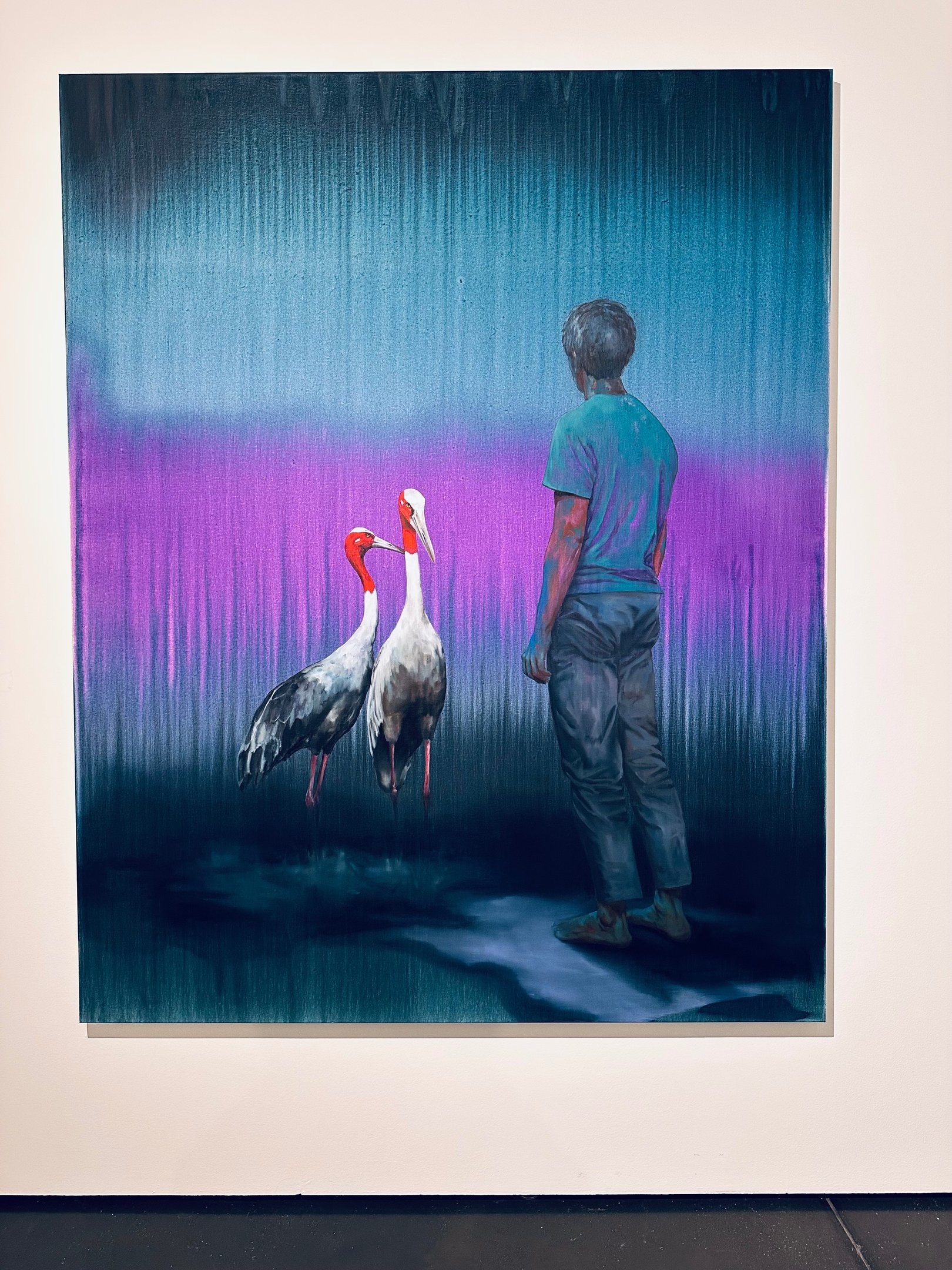
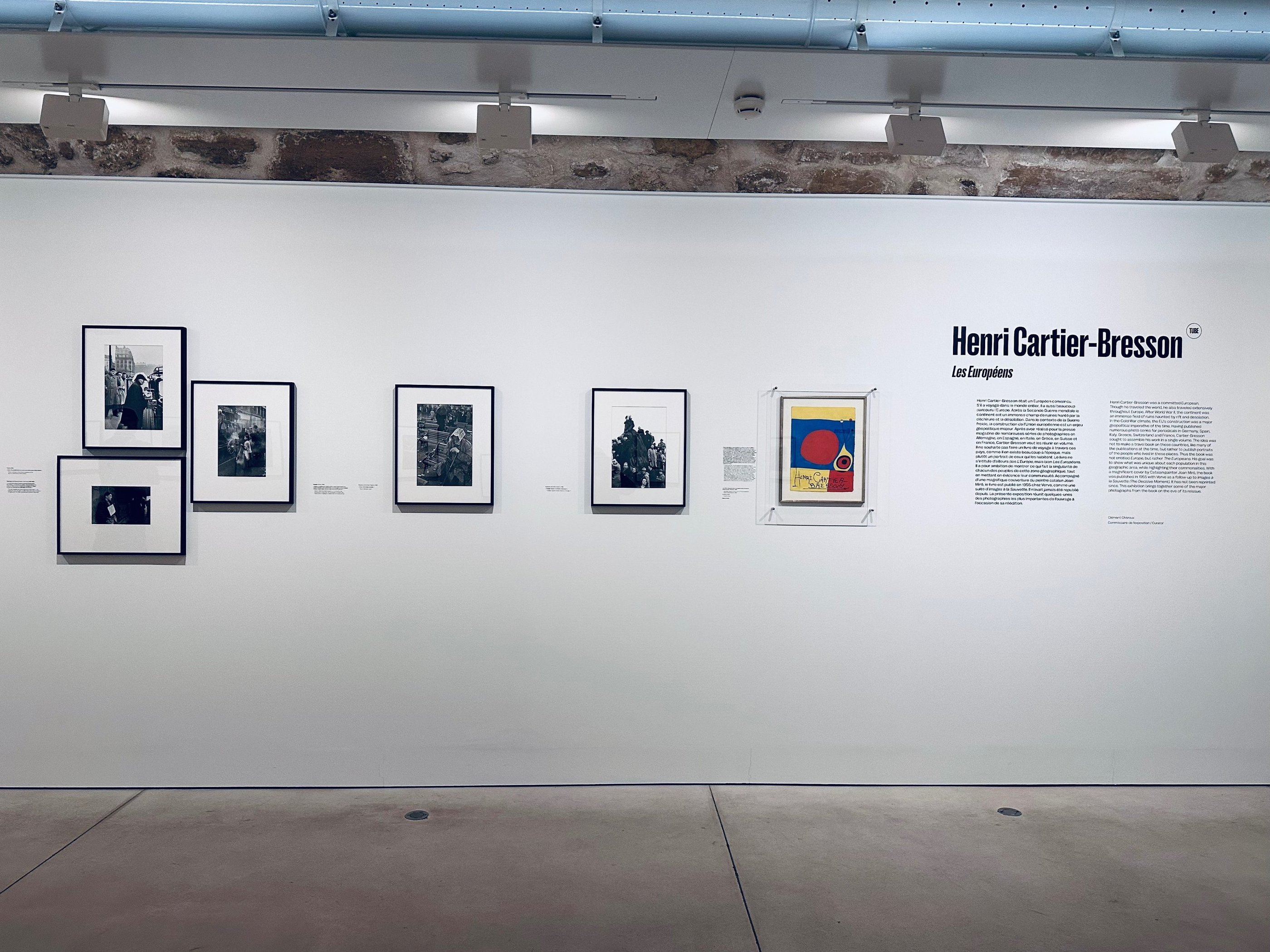
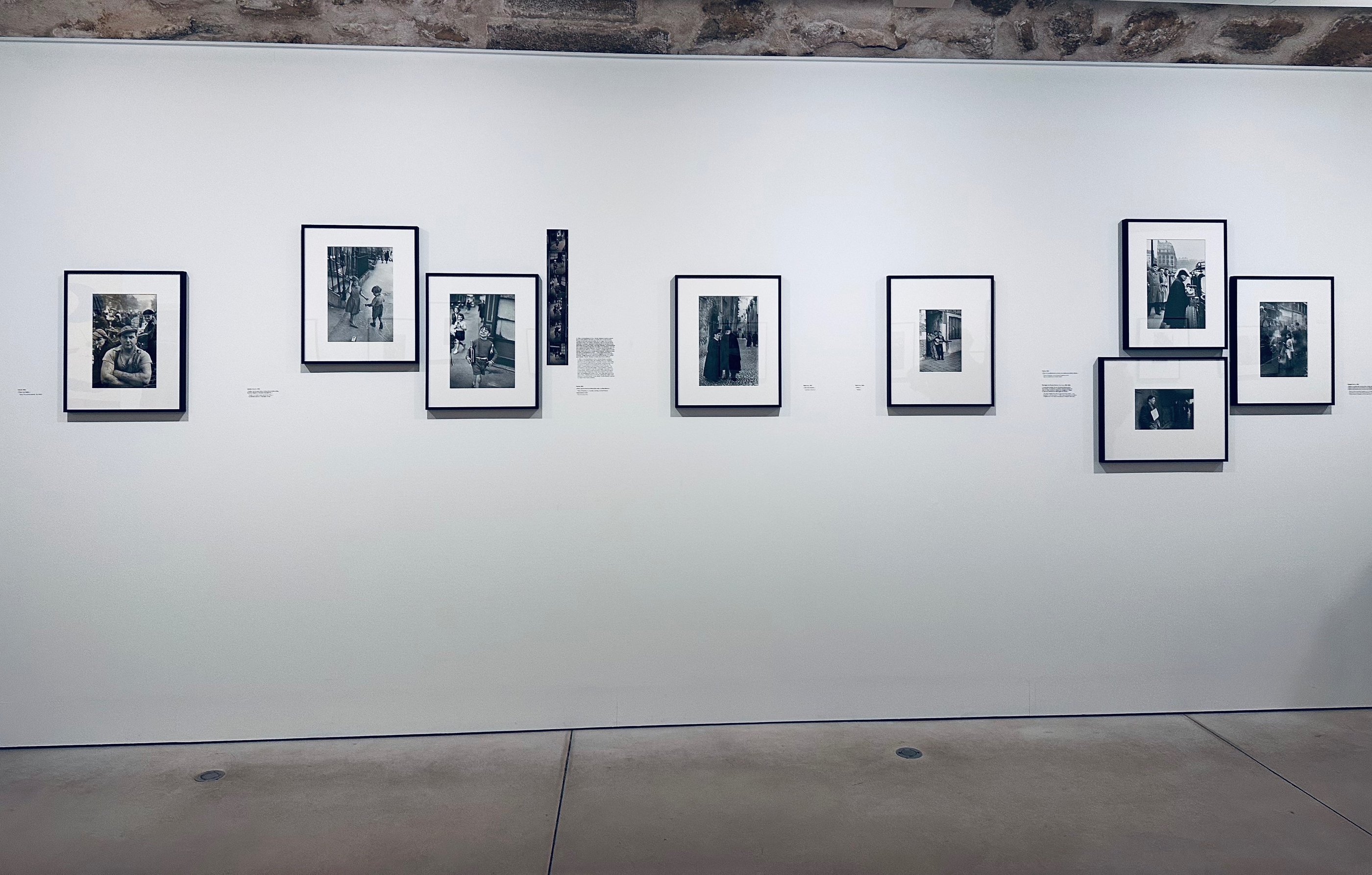
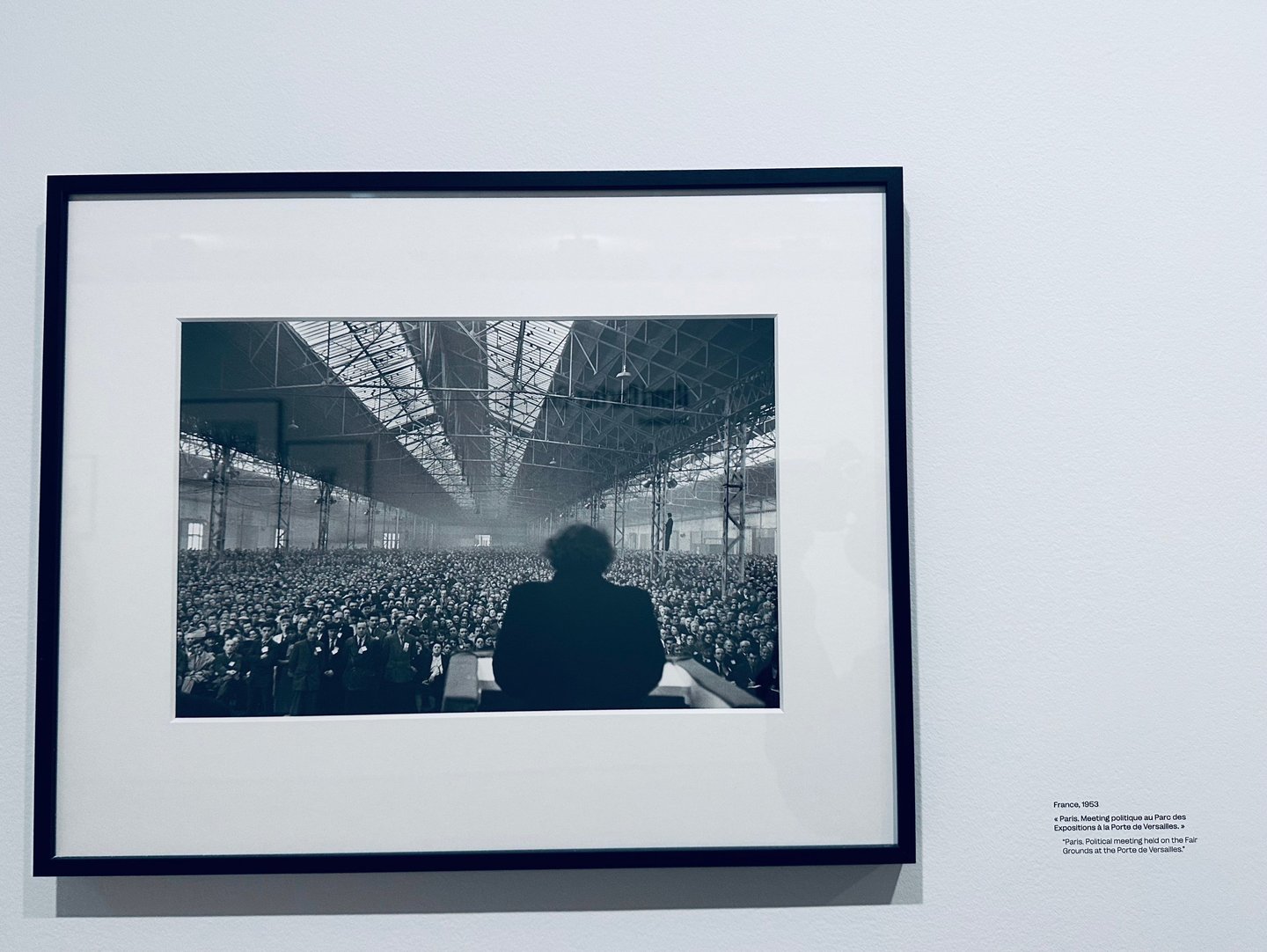
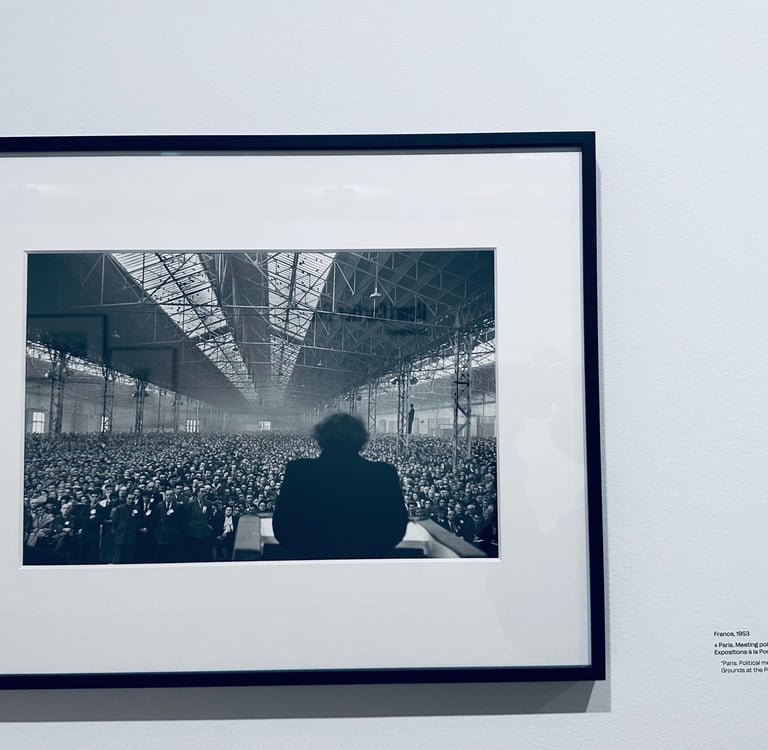
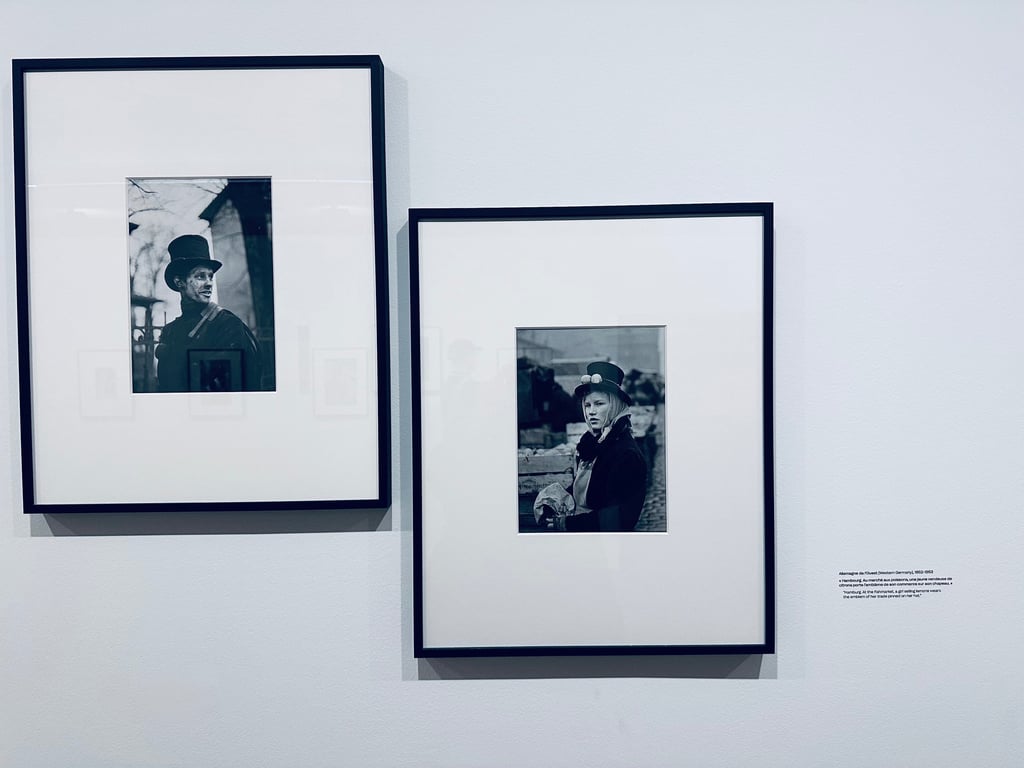
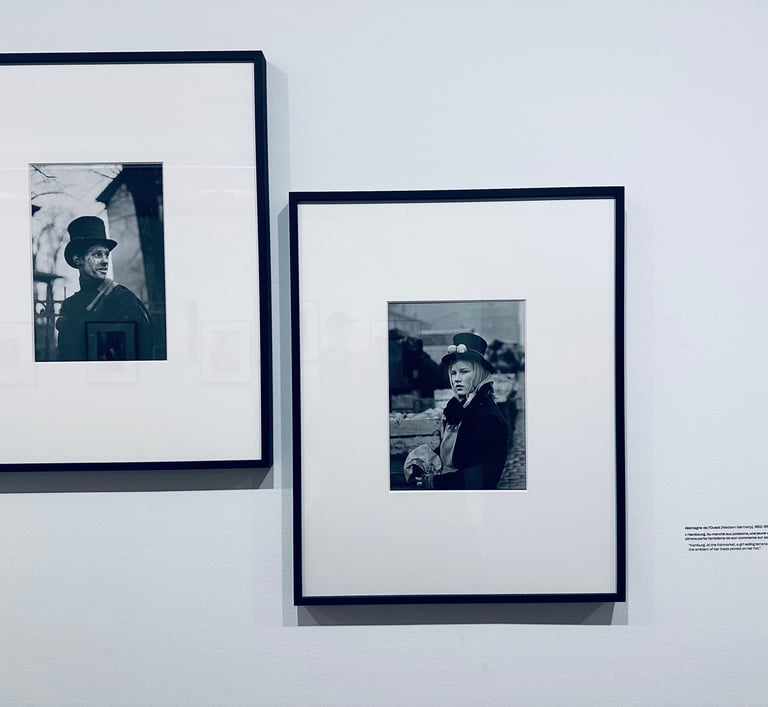
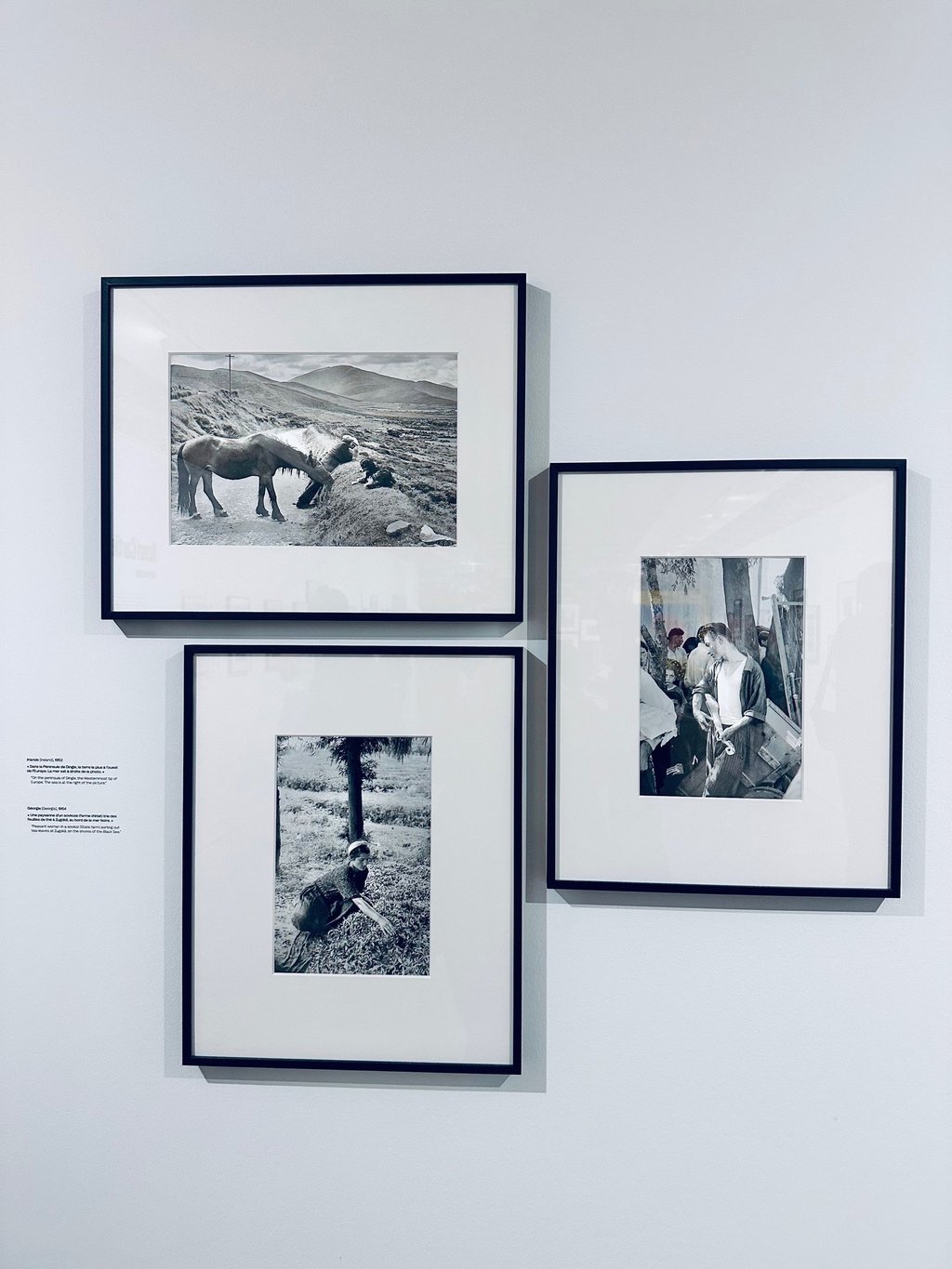
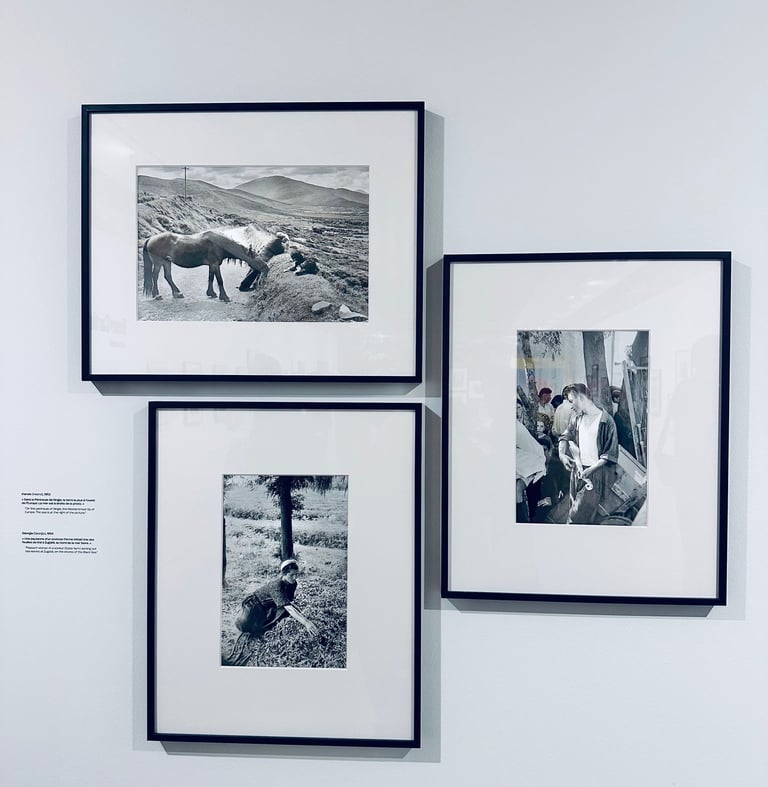
When the Henri Cartier-Bresson Foundation was established in 2003, its founders, Henri Cartier-Bresson and Martine Franck envisioned it as a venue that would inspire and encourage photographers of all ages and backgrounds, as well as providing a space for painters, sculptors and illustrators to express themselves artistically. It was more than just a place; it was a nurturing environment for the arts. From January to early May this year, the foundation in Paris is showcasing a unique duo exhibition, almost like a conversation between two perspectives. Romain Bernini's Voyage à Giphantie, is a collection of figurative paintings on one side. On the other side is Henri Cartier-Bresson's Les Européens, a significant photographic collection created in the immediate post-war era. These two exhibitions offer two distinct approaches to visual creation and two types of presence, yet they both raise the same fundamental question: what can an image achieve when the world is in turmoil, reconstructing and reinventing itself?
The Europeans by Henri Cartier-Bresson
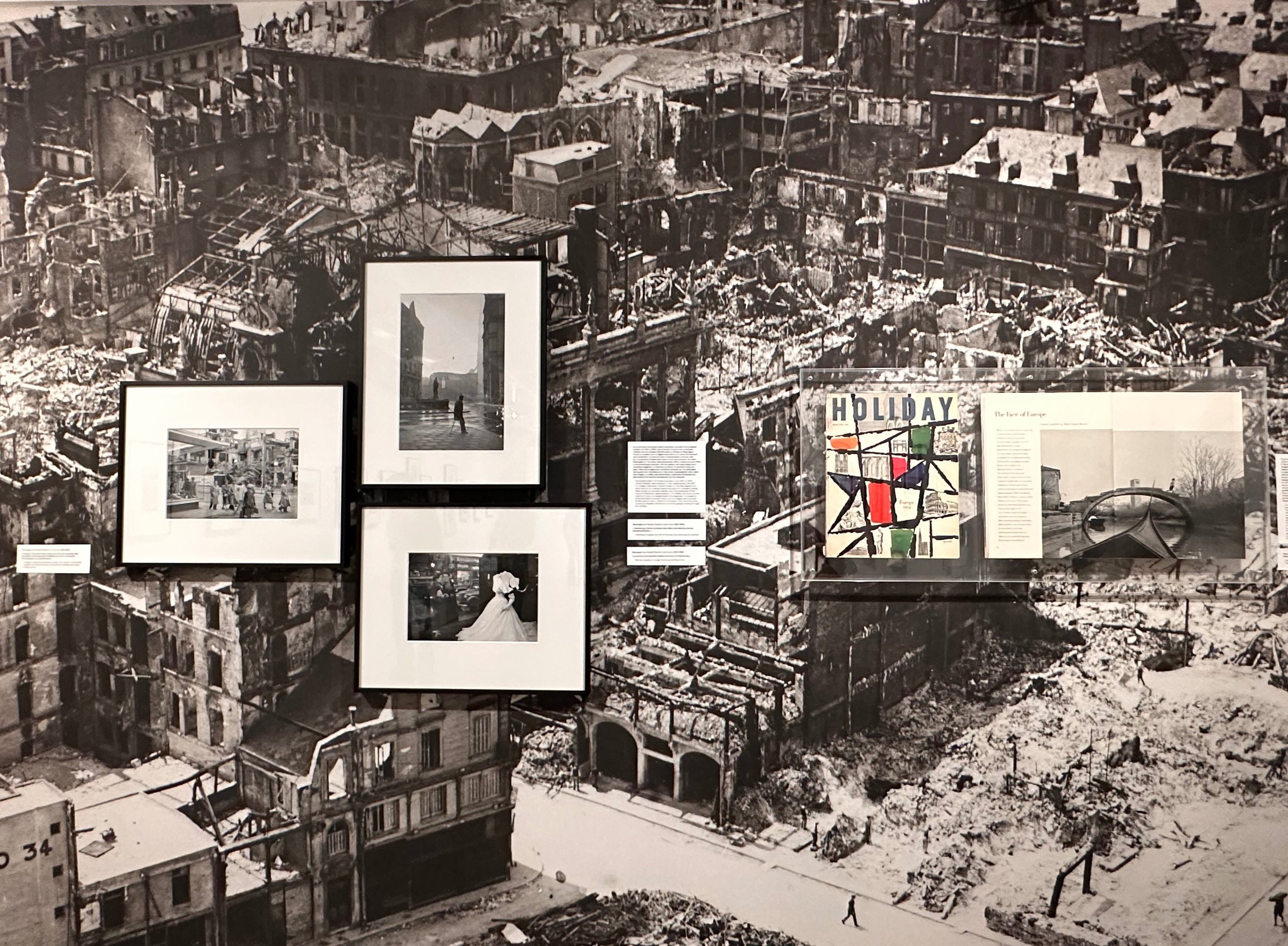
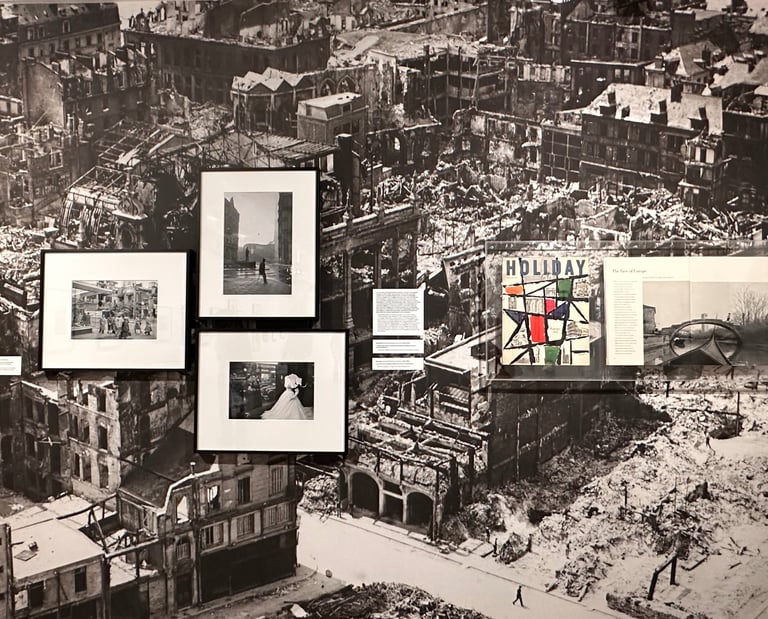
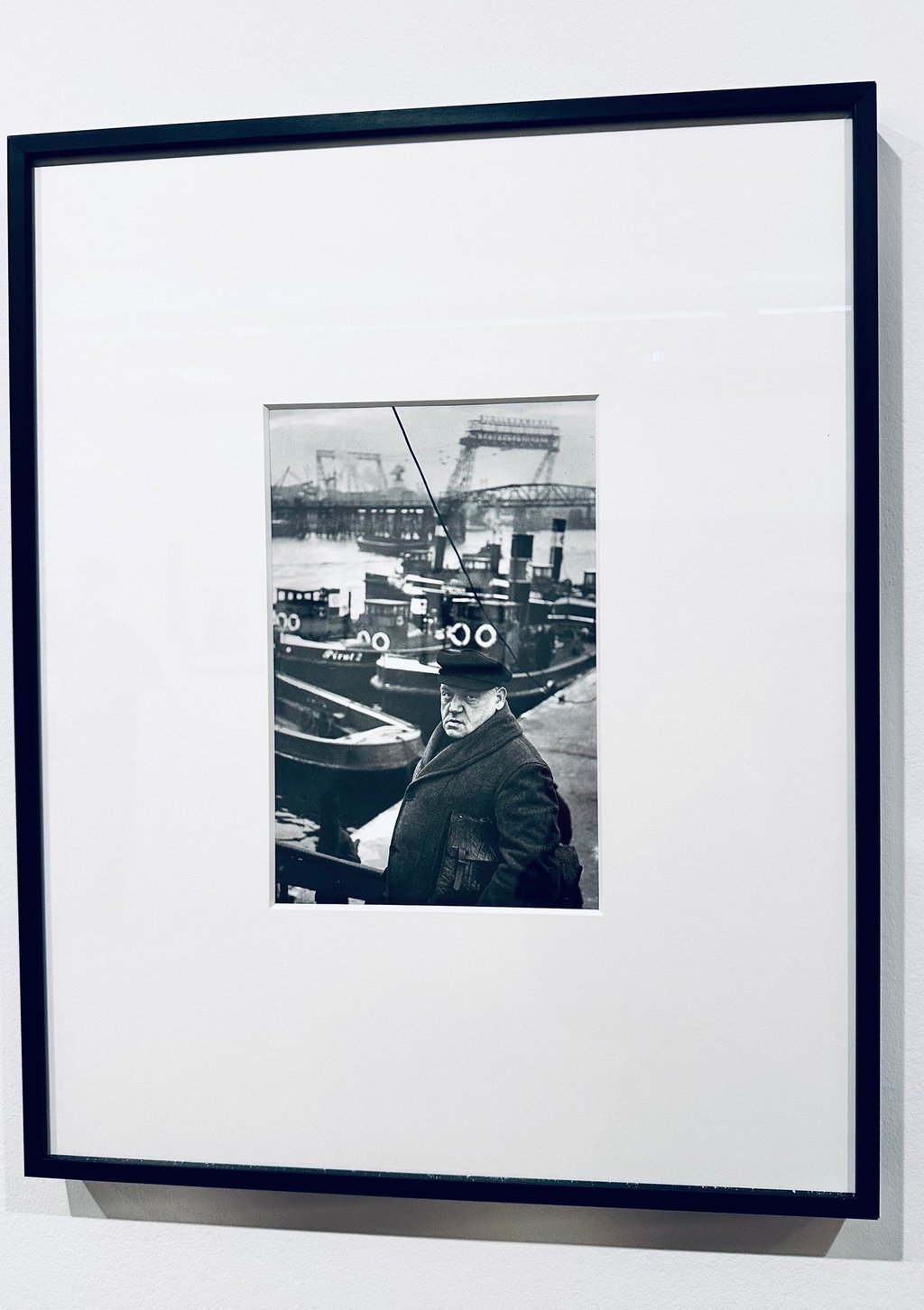
Henri Cartier-Bresson was a dedicated European photographer who devoted his life to capturing the essence of his surroundings. His profound engagement with social contexts established him as a significant figure in the field. Although he travelled extensively around the world, he had a particular affinity for Europe, viewing it as a tapestry of cultures, histories, and traditions waiting to be documented. After World War II, the continent was a stark landscape of immense ruins, haunted by division and desolation. Cartier-Bresson's heart ached for the stories hidden beneath the rubble.
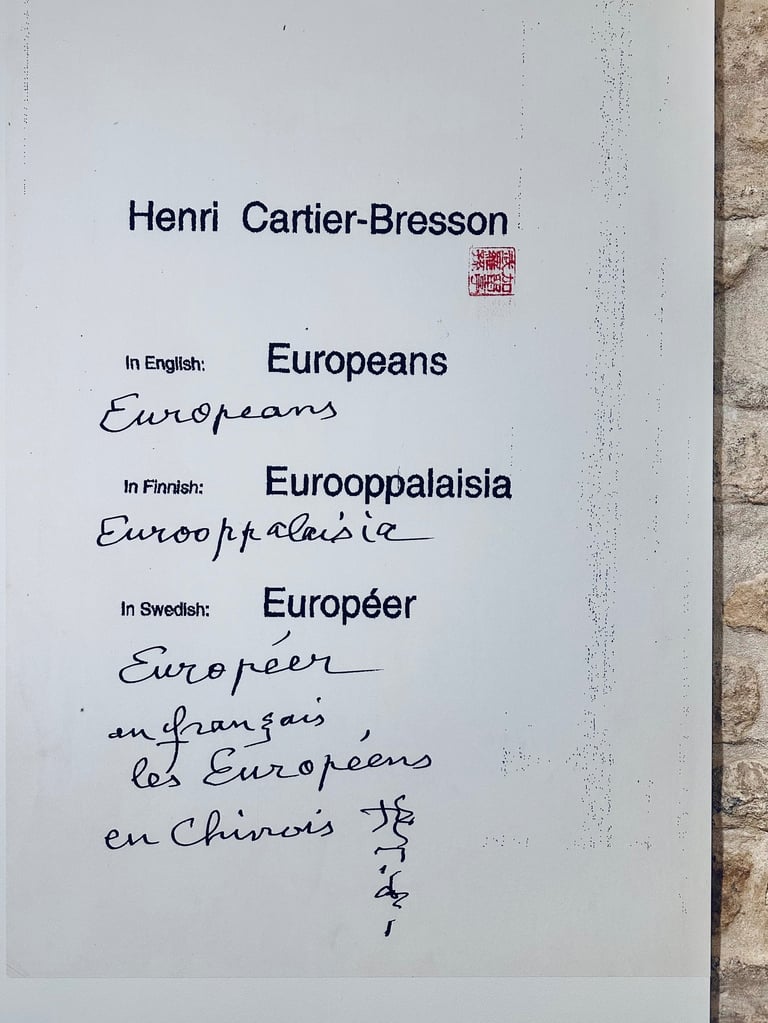
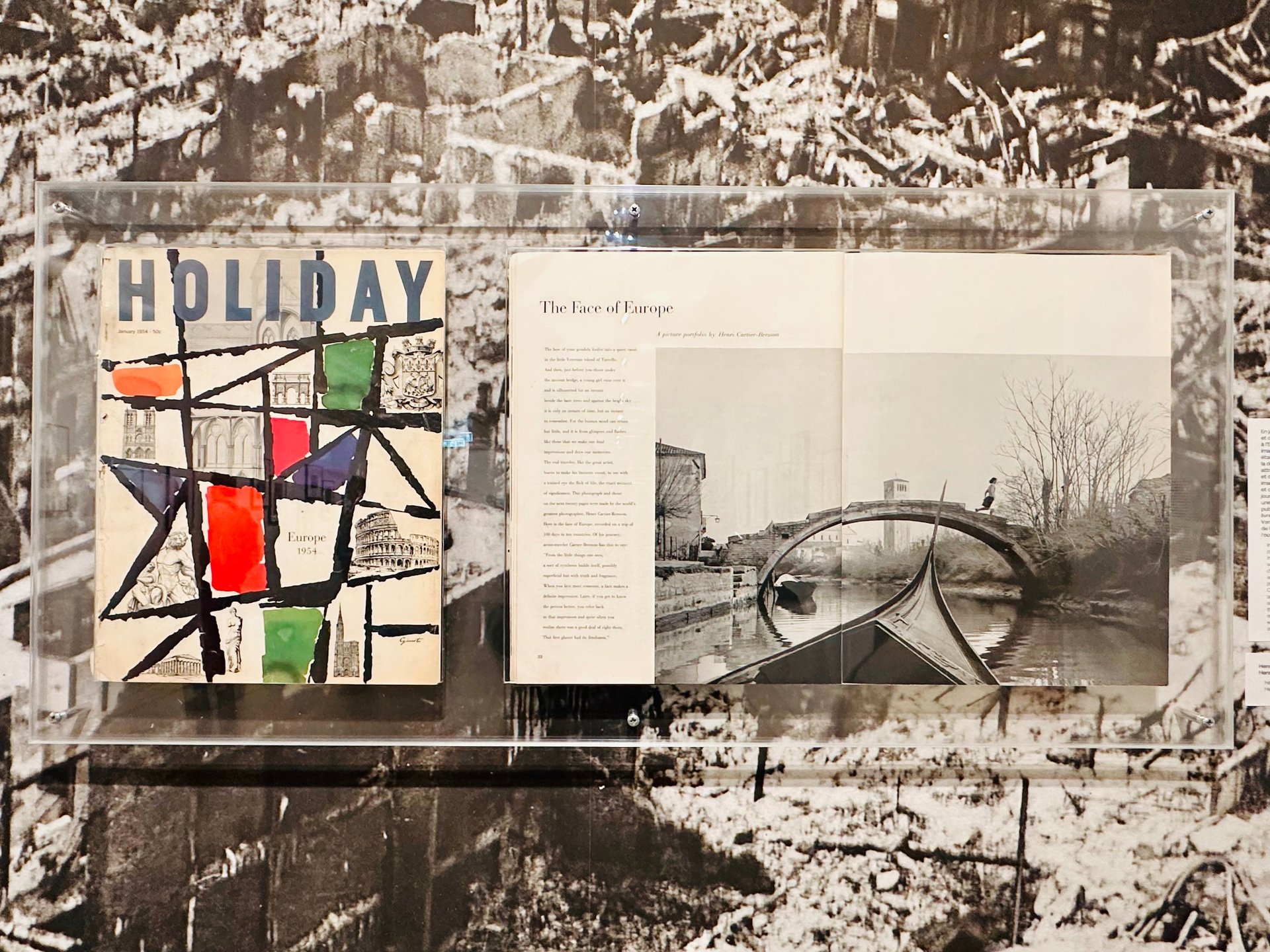
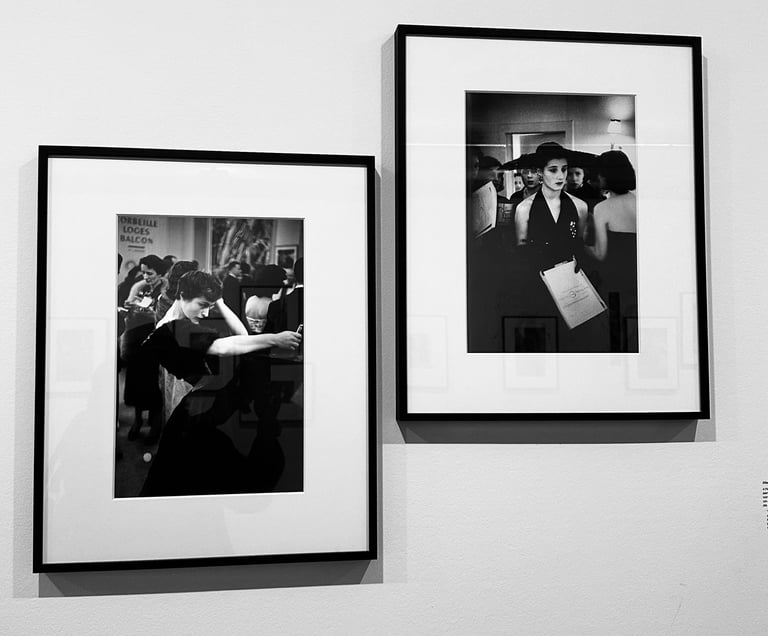
Against the backdrop of the Cold War, the formation of the EU emerged as a pivotal geopolitical imperative, offering hope and unity amid the chaos. Having published numerous photo series for periodicals in countries such as Germany, Spain, Italy, Greece, Switzerland and France, Cartier-Bresson sought to compile his prolific work into a single, compelling volume. Rather than creating a travel book focused on these countries, similar to the many superficial publications of the era, his aim was to offer profound portraits of the people inhabiting these diverse places. Consequently, the book was not entitled Europe, but rather The Europeans, reflecting the rich mosaic of human experience present across the continent.
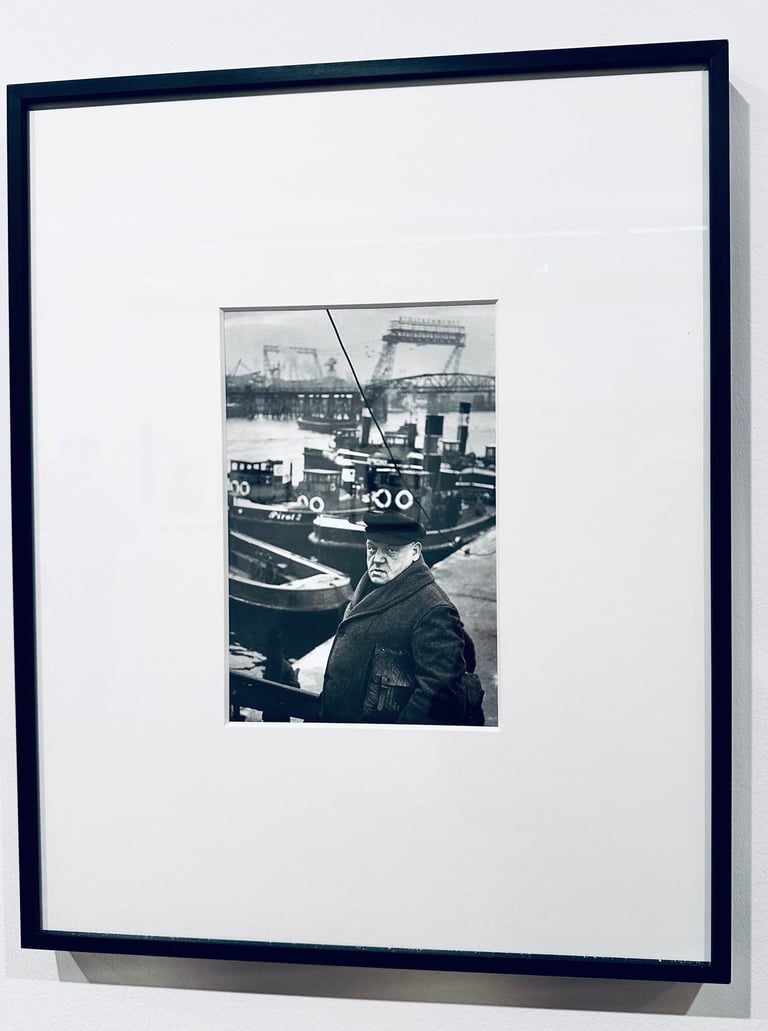
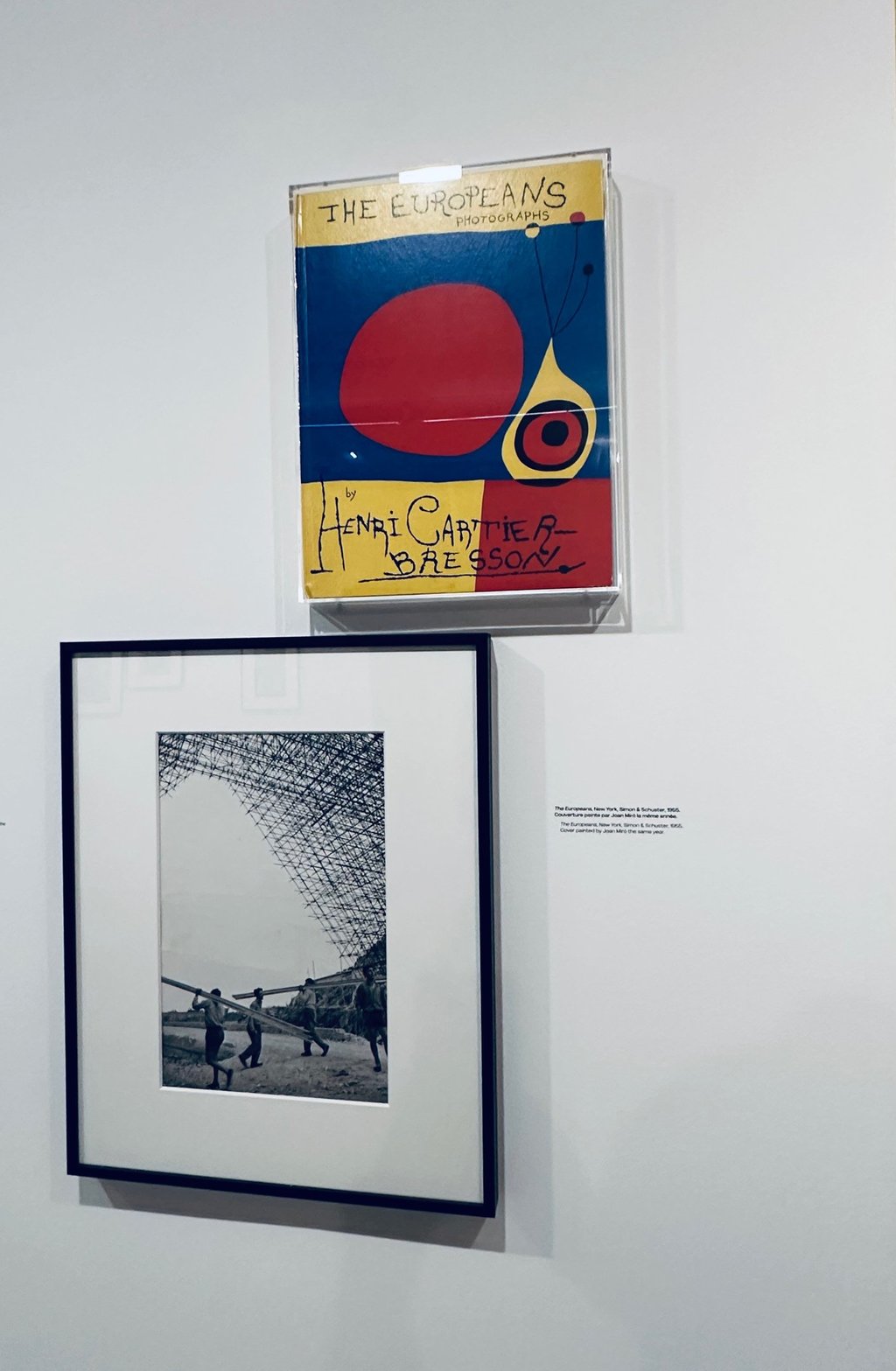
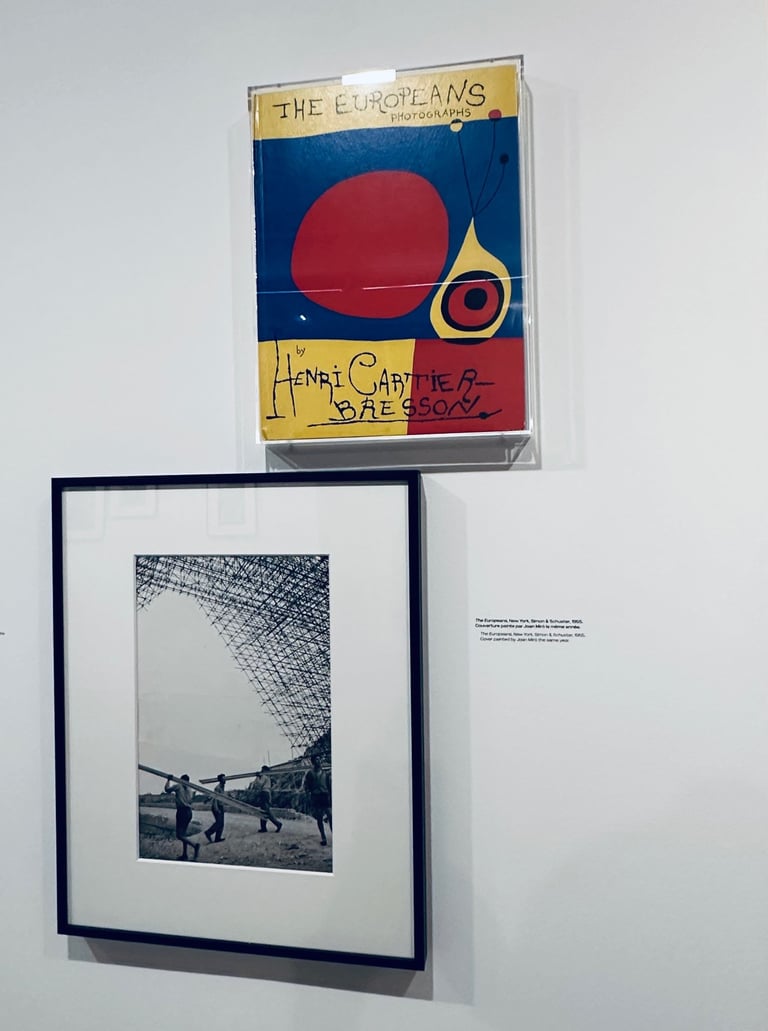
His overarching goal was to showcase the unique characteristics of each population in this geographic area while highlighting the commonalities that bind humanity together. Designed by the Catalan painter Joan Miró, the book's magnificent cover was created for its publication by Verve in 1955 as a follow-up to his earlier groundbreaking work, Images à la sauvette (The Decisive Moment). It has not been reprinted since its initial release, which adds to its allure and rarity in today's world. This exhibition brings together some of the book's most significant photographs ahead of its reissue, enabling us to reflect on and appreciate the enduring narratives encapsulated within these striking images. This celebration of photography honours Cartier-Bresson’s legacy and invites contemporary audiences to reconsider Europe's geopolitical journey from a distinctive artistic viewpoint. Through his lens, we are reminded of the profound interconnectedness of our shared histories, and of the stories of laughter and sorrow captured in fleeting moments that still resonate deeply today.
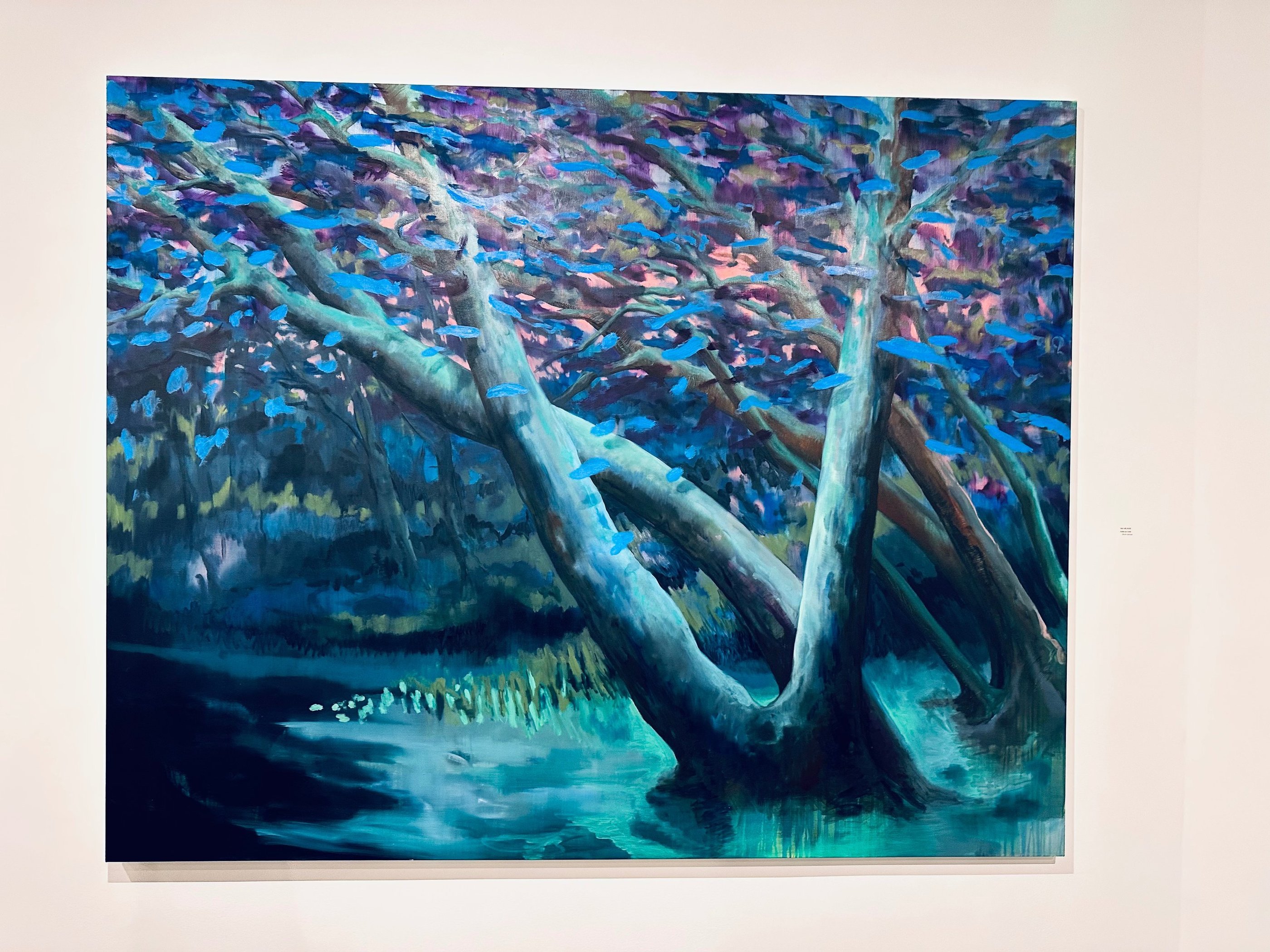
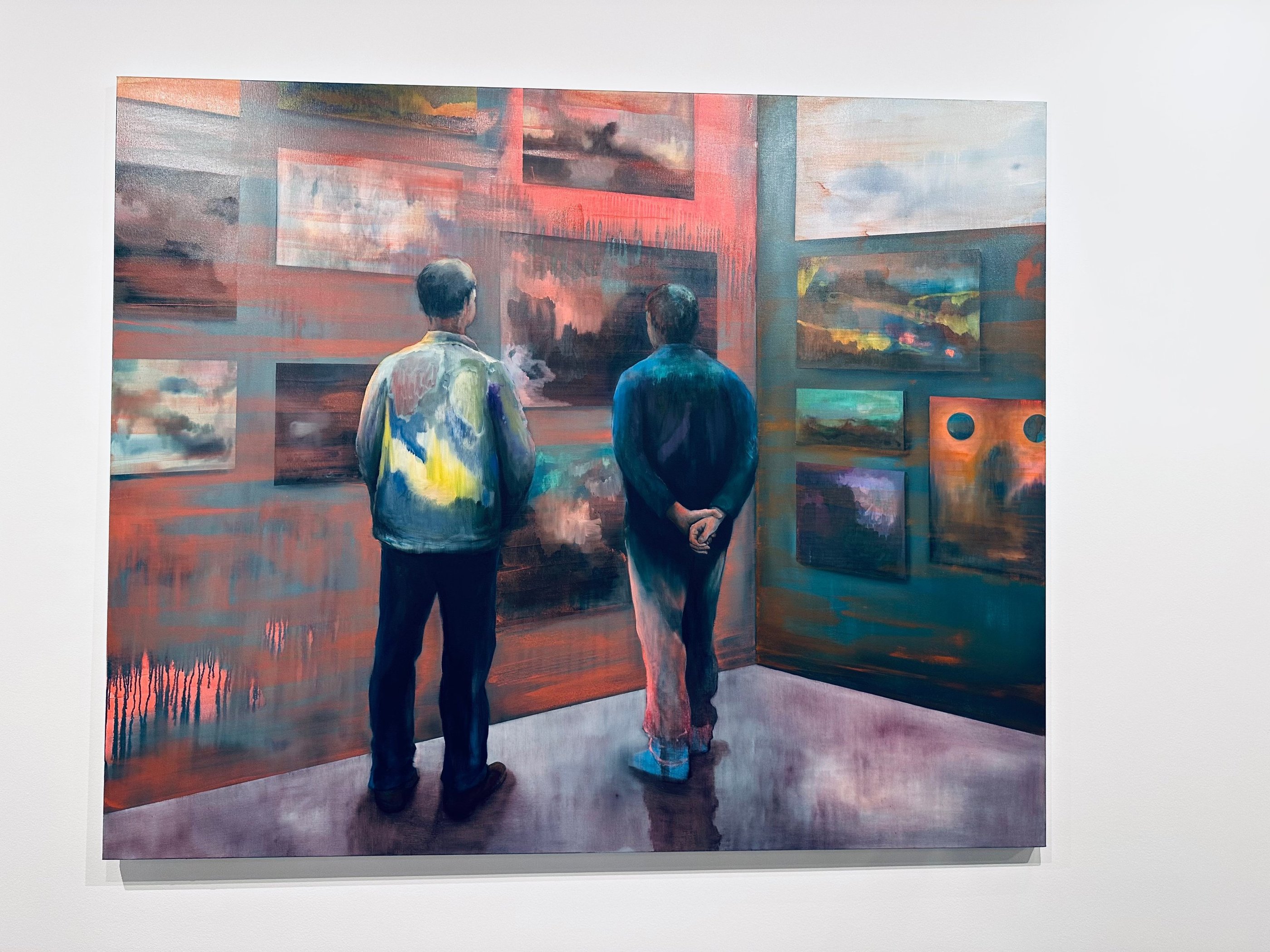
Voyage à Giphantie (Trip to Giphantie) by Romain Bernini
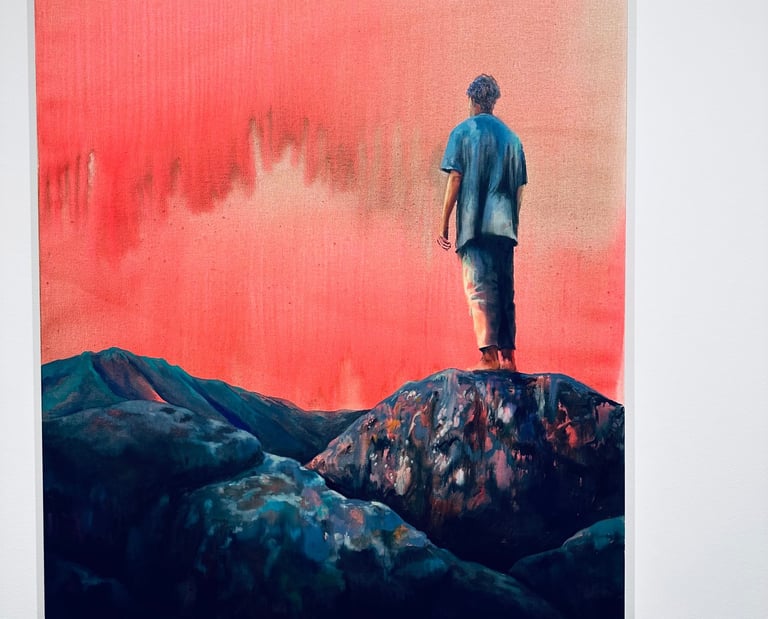
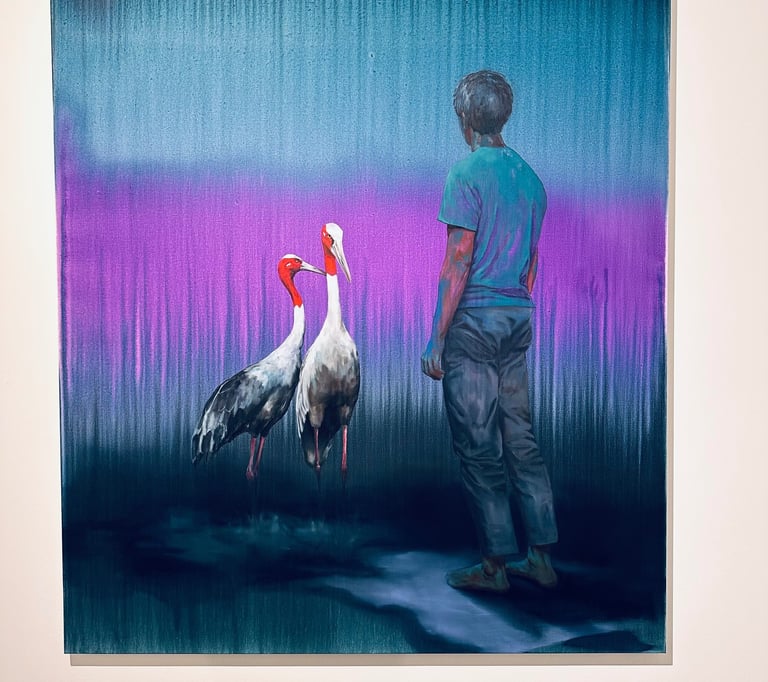
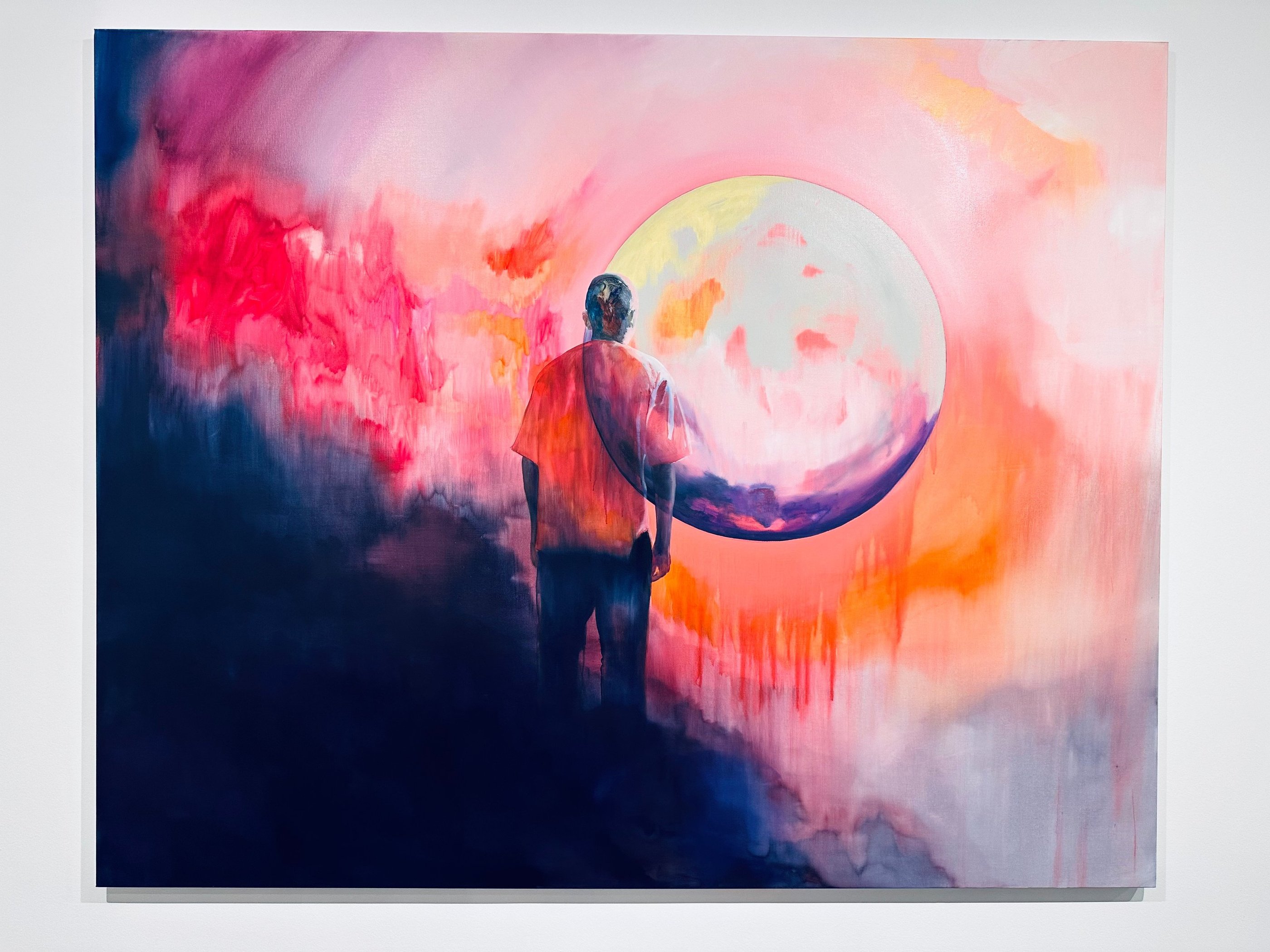
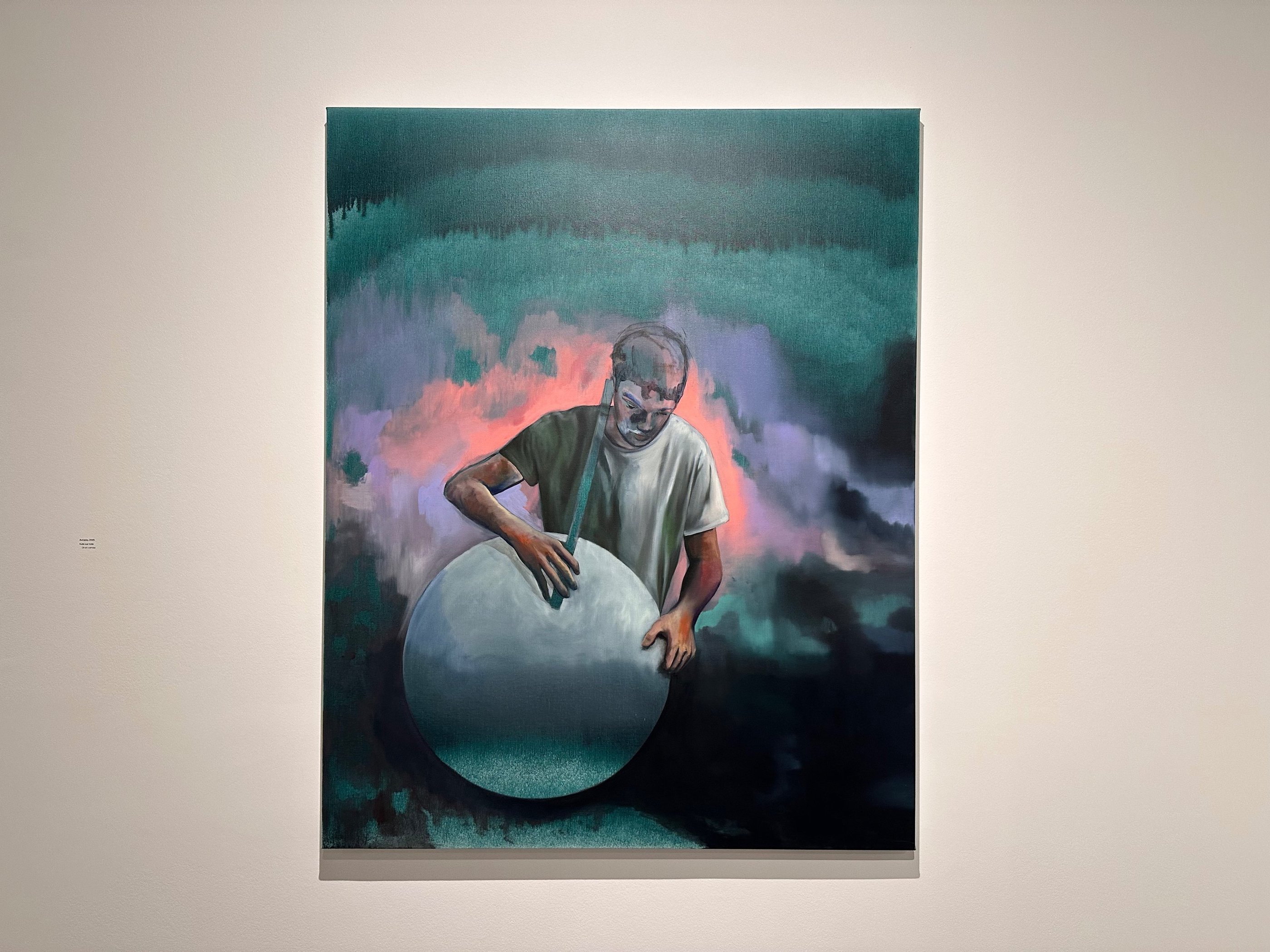
Following remarkable exhibitions of Alberto Giacometti's sculptures in 2005 and Saul Steinberg's insightful drawings three years later, the Fondation Cartier-Bresson continues its admirable tradition of inclusivity by showcasing Romain Bernini's dynamic and expressive paintings. Bernini has produced an impressive and diverse body of work spanning around two decades that straddles the figurative and a captivating form of urban esoterica. He captures moments of hypothetical force, creating compositions that portray situations in which figures seeking meaning as enigmatic beings. This artistic approach invites viewers to pause and reflect deeply on their own interpretations of the multifaceted art presented before them. This intriguing series of paintings, exhibited here for the first time, was inspired by 'Giphantie' an 18th century work by the innovative Charles Tiphaigne de la Roche. Guided by an enigmatic and authoritative 'prefect', this imaginative odyssey to a fictitious land firmly belongs to the cherished tradition of utopian narratives. The work provided the author with a powerful and intellectually stimulating means of criticising the society of his time, while also allowing him to indulge his vivid imagination and creative powers. Published in 1760, Giphantie is a short, whimsical, erudite and light-hearted novel that combines philosophy, utopia and satire to innocently bring to life a series of mental constructs that our era believes it has invented. Above all, however, it accurately describes a revolutionary method of producing images that resembles photography, which was not invented until more than half a century later by Nicéphore Niépce in 1816, and nearly eight decades after that by Louis Daguerre in 1839.
This insightful perspective conveys the relentless human desire to capture and preserve fleeting moments that seem to disappear just as we try to hold onto them. This desire continually pulls us back, captivating us with the wonders of creativity and the limitless opportunities it brings. Through artistic expression and ingenuity, we capture the essence of our experiences.
Bernini’s canvases are renowned for their enigmatic scenes, which transform the ordinary into the extraordinary with great effectiveness. Often featuring imaginary landscapes in vibrant colours and enchanting trees or animals, they invite a sensory and contemplative experience that lingers in the mind long after viewing. Having been a resident of the Villa Medici between 2010 and 2011, Bernini has shared his expertise and enthusiasm at the École Nationale Supérieure des Beaux-Arts in Paris since 2023, sharing his knowledge and passion with a new generation of aspiring artists. His work has been exhibited in numerous institutions, from the Palais de Tokyo to the Musée d'Art Moderne de Fontevraud. His unique pieces are part of collections of the Centre Pompidou's. This reinforces his standing in the contemporary art world and prompts deeper conversations about the nature of art and expression.