La Ligne de Vie
EXHIBITIONS
By 16mag
2/16/2026
'La ligne de vie', or 'The Lifeline', is the title of a remarkable and thought-provoking lecture that René Magritte delivers at the Royal Museum of Fine Arts Antwerp (KMSKA), on 20 November 1938. It is widely regarded as the most important account of his art that Magritte ever gives. In this compelling presentation, he offers insights into his creative process and artistic philosophy, which provides a deeper understanding of his celebrated works.
Magritte speaks at length about the genesis of his work, delving into the personal and artistic influences that shaped his perspective. He elaborates on how various experiences throughout his life have culminated in the unique style that he is known for today. Accompanied by slides of his paintings, he talks of the renowned artists who have influenced him and of the successive stages of his development, illustrating how his artistic journey has been anything but linear. He emphasizes the importance of experimentation in art and how it contributes to an artist's evolution over time. He also shares his vision of surrealism, a movement that pushed boundaries and invited the viewers to engage with their own subconscious. It demands "for our waking life the sort of freedom we have in our dreams." This remarkable statement encapsulates the essence of surrealism, encouraging both the artist and the audience to seek liberation from conventional thought. Magritte's vision is the inspiration behind a small but influential surrealist circle formed in Antwerp in the 1950s.
'The Lifeline' lecture in its entirety, taking us on an unforgettable journey through the mind of one of the most celebrated artists of the 20th century.
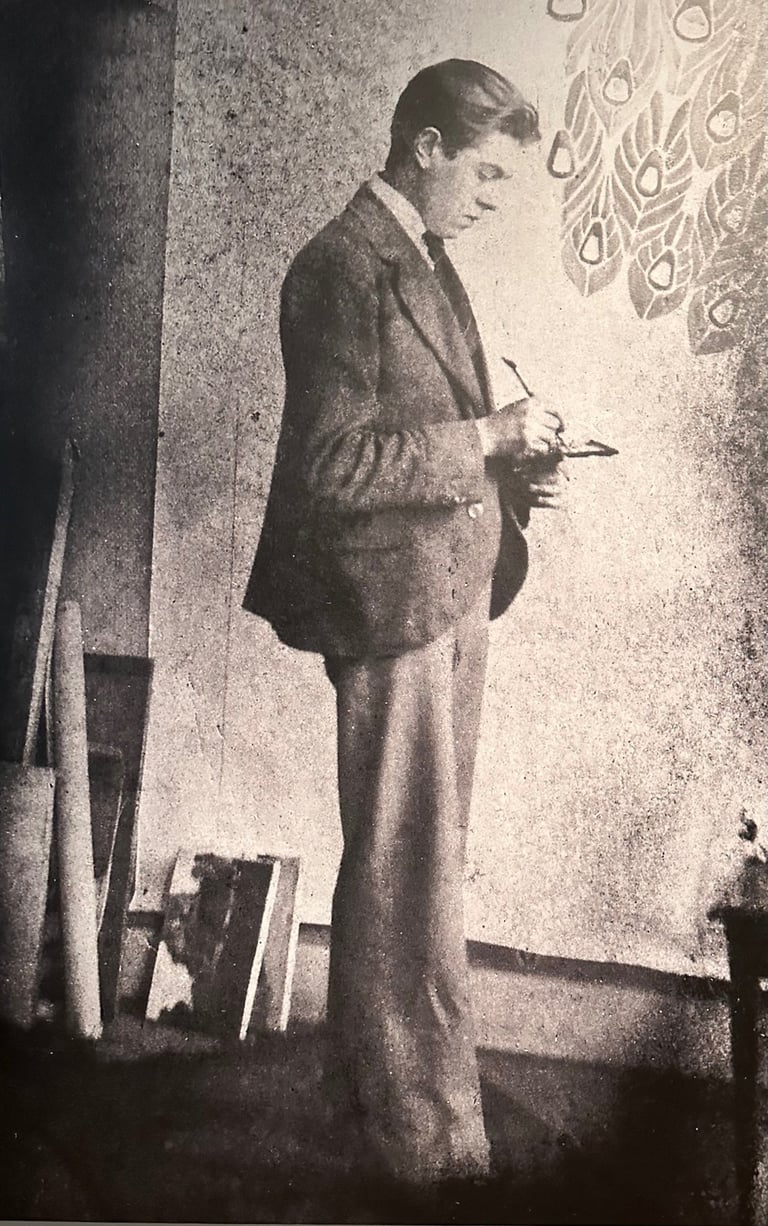
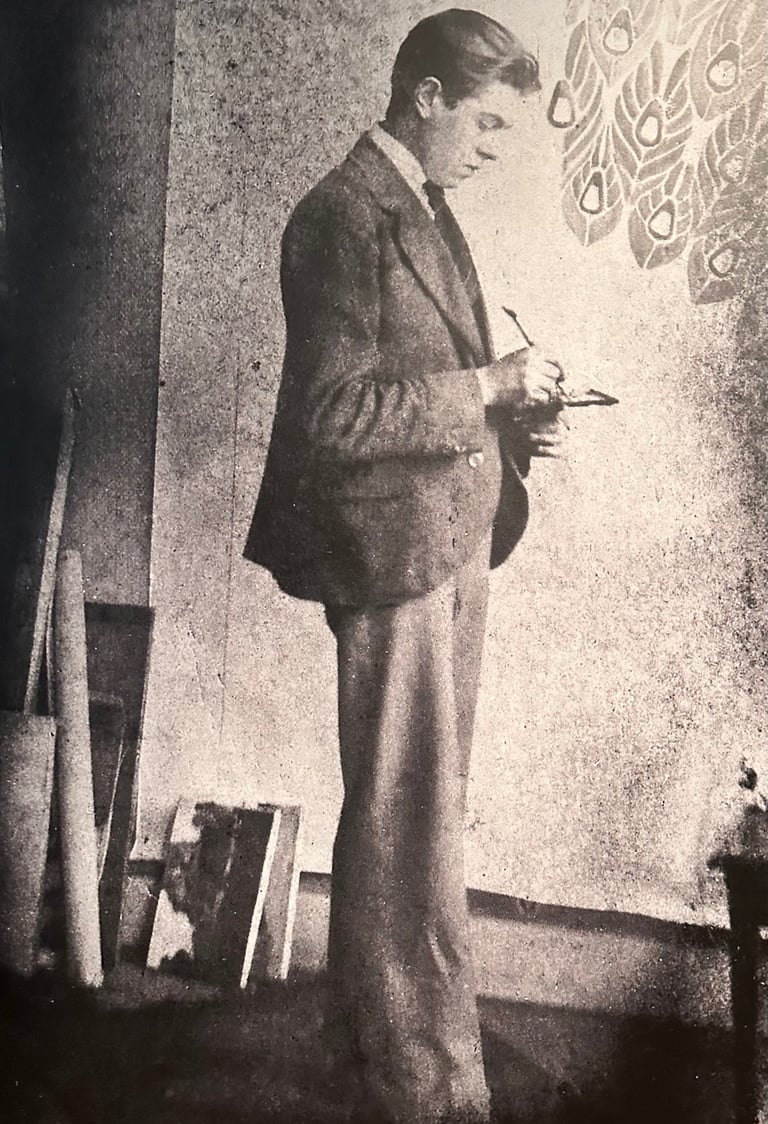
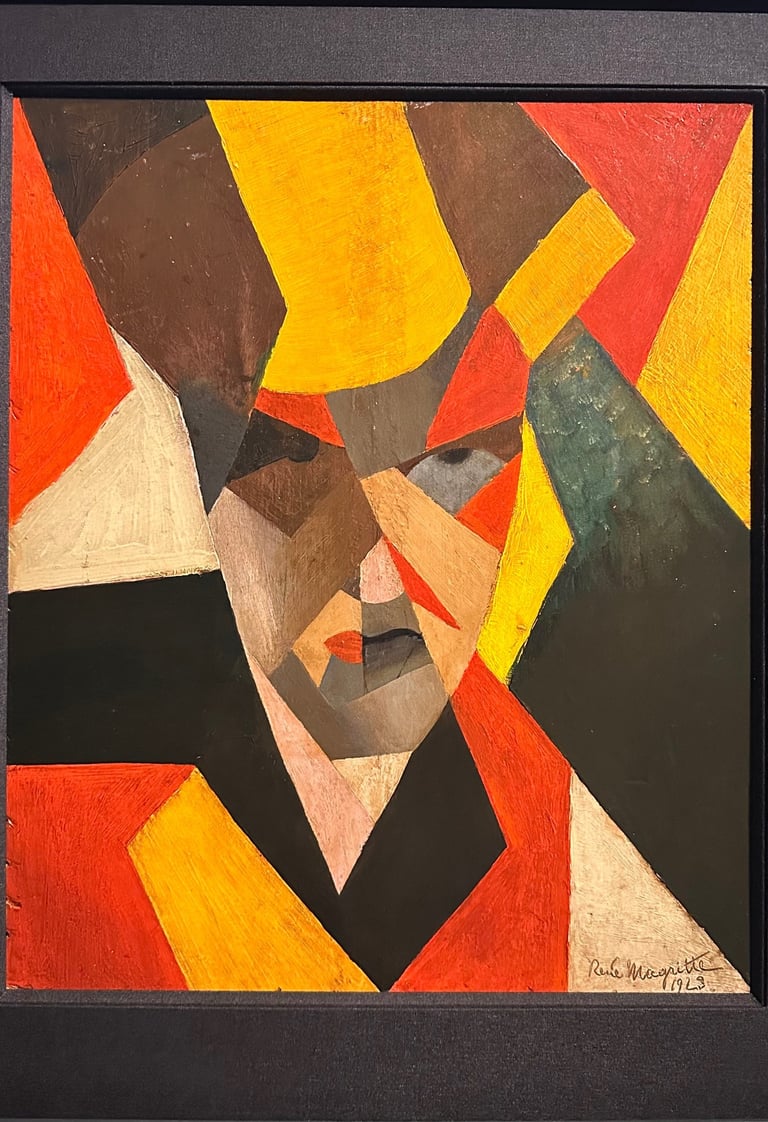
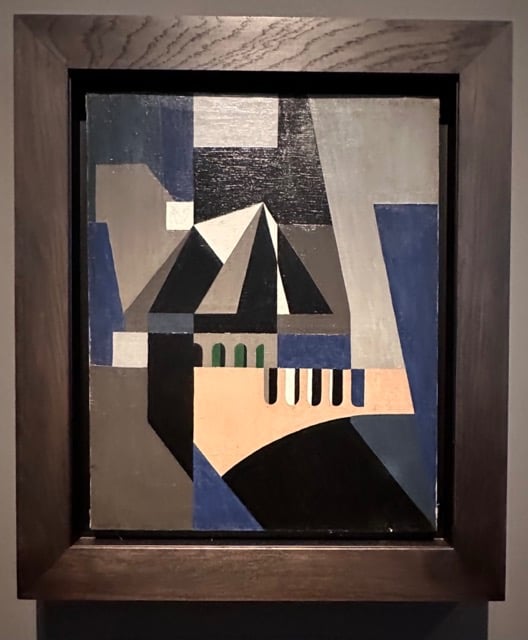
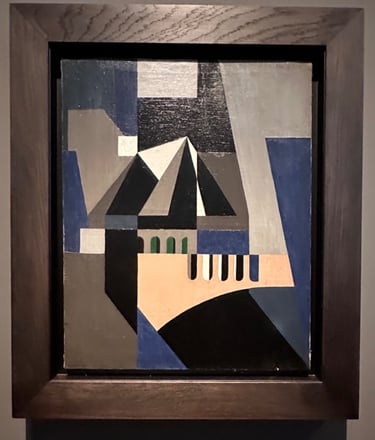
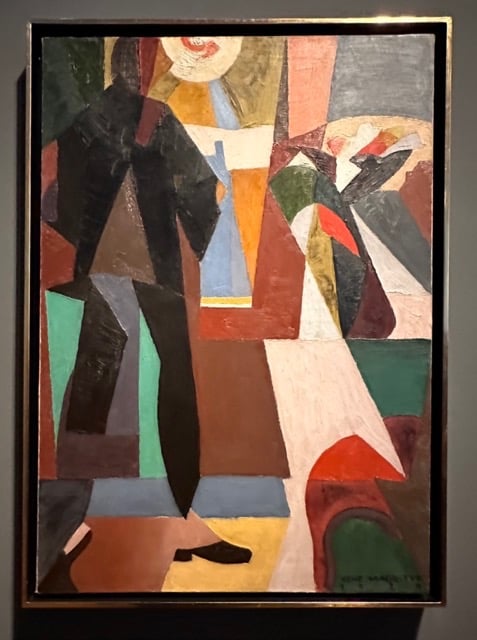
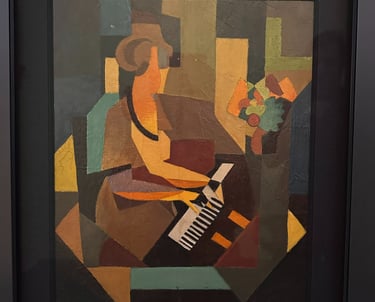
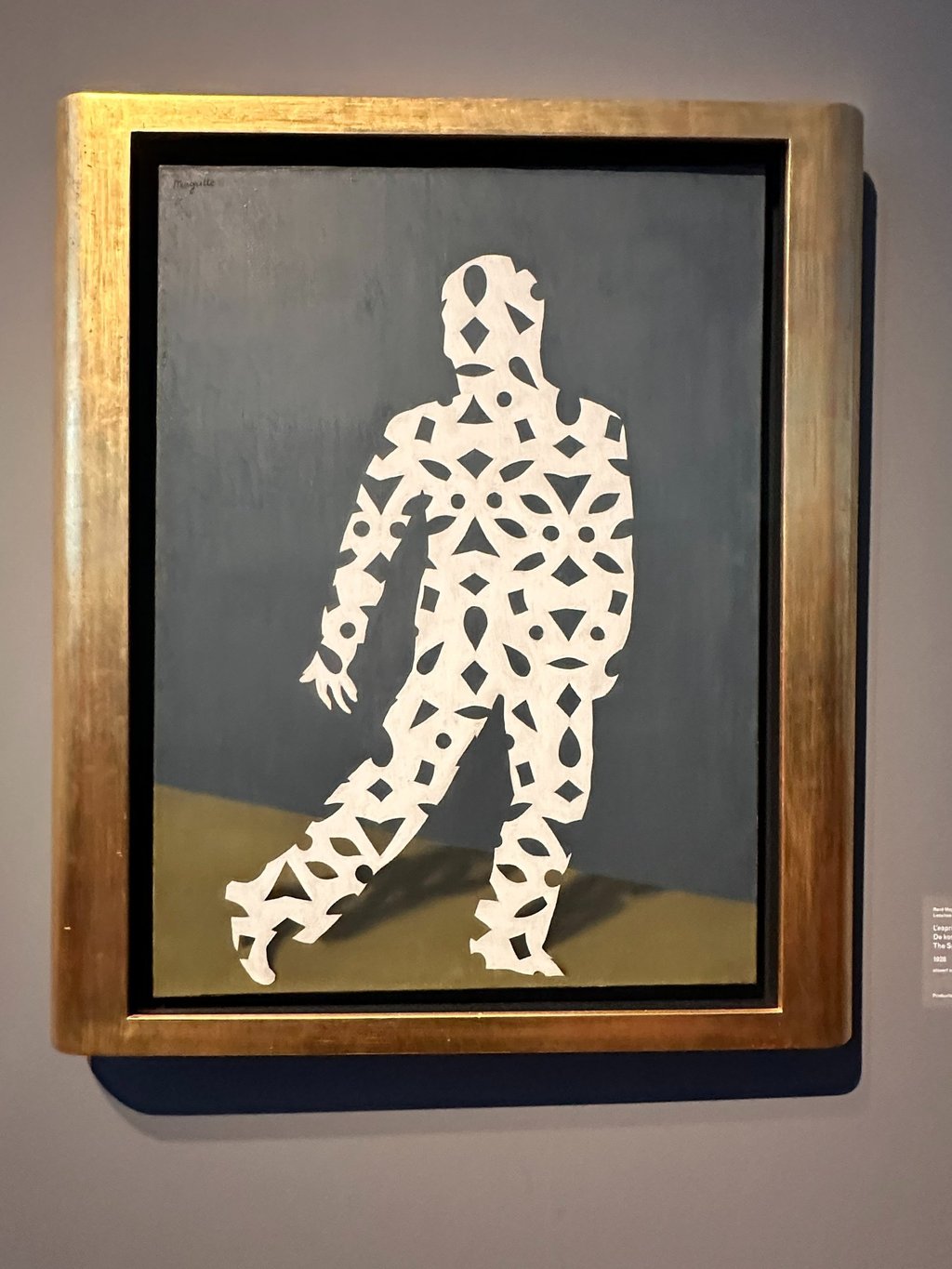
Before developing his distinctive surrealism, Magritte experiments with avant-garde influences like cubism and futurism. After studying in Brussels, he seeks a personal visual language and debuts in a cubist style in 1920, reducing objects to geometric forms and varying perspectives. That same year, Magritte befriends E.L.T. Mesens, and they write an admiring letter the poet Filippo Tommaso Marinetti, aiming to celebrate modern speed and energy. Magritte's modernist experiments ended in 1924 when he joined the surrealist group in Brussels and encountered Giorgio de Chirico's 'The Song of Love' (1914), marking a career turning point. This pairing of the commonplace and unusual continued to shape his vision. As Magritte states in 'The Lifeline': "This triumphant poetry has displaced the stereotypical effect of traditional painting."
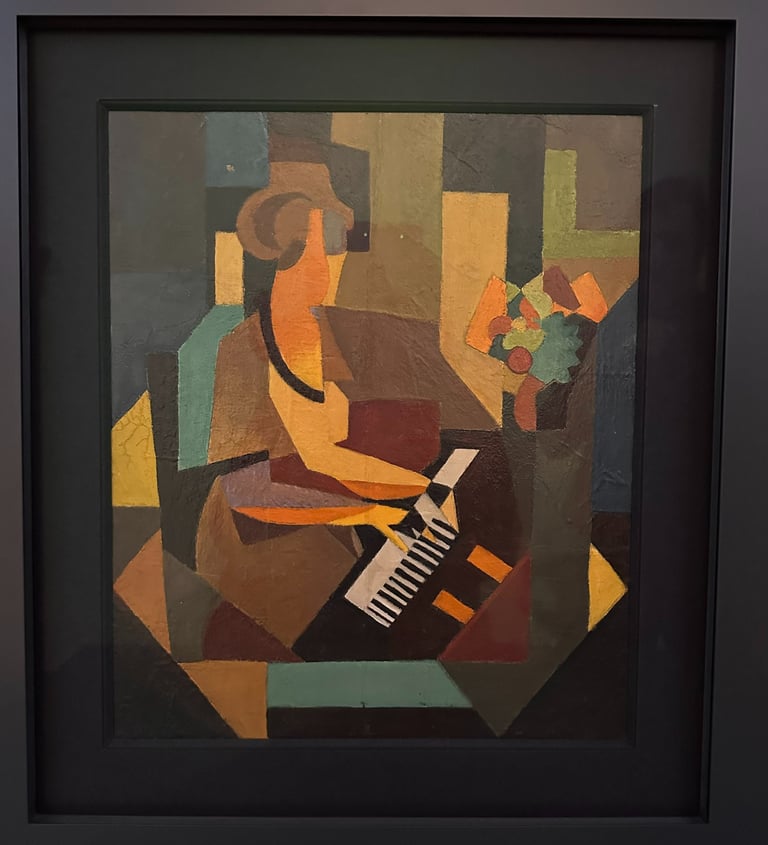
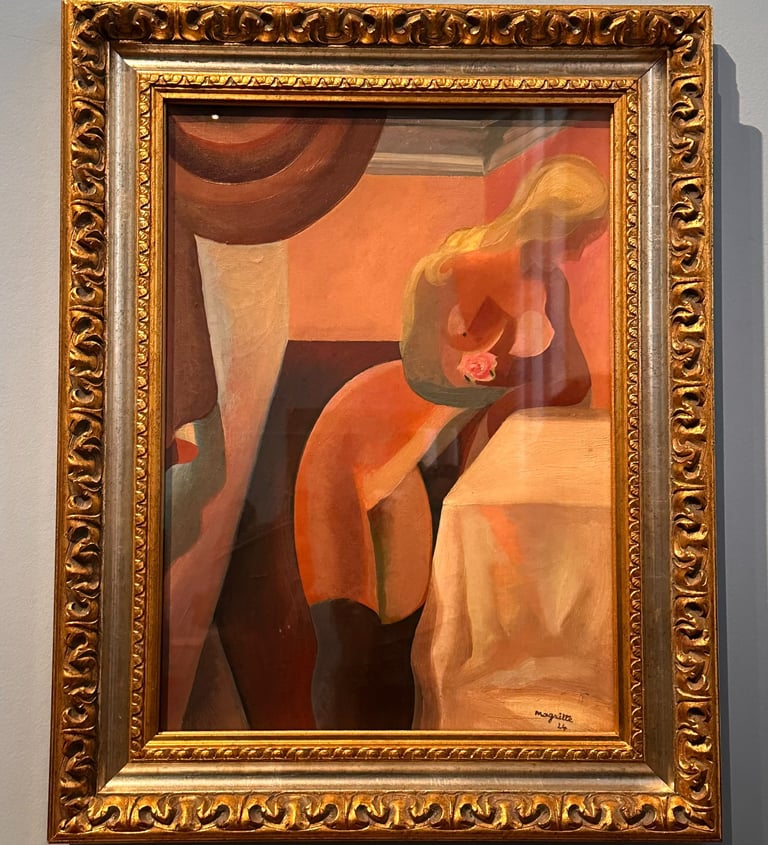
After a phase of experimentation, Magritte embraces surrealism. This is one of the rare remaining paintings that signify this change. For the first time, Magritte employs a poetic metaphor: a flower symbolizes a heart. However, the artwork does not fulfill his expectations. In 'The Lifeline', Magritte admits that the rose on the young woman's breast did not produce the intended poetic shock effect.
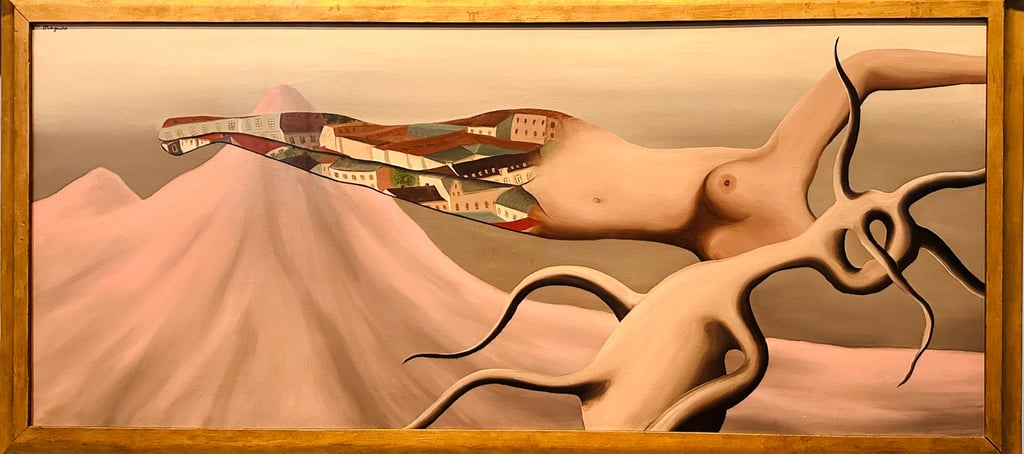
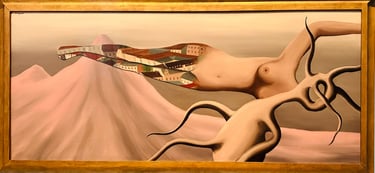
In The Lifeline, Magritte speaks of a 'universal style'. His objective, detached approach to representing objects avoids all painterly effects. However, it was precisely these qualities that led to the negative criticism of his first solo exhibition at the Galerie Le Centaure in Brussels in April 1927. His paintings were said to be ambiguous, showing objects out of context and lacking plasticity.
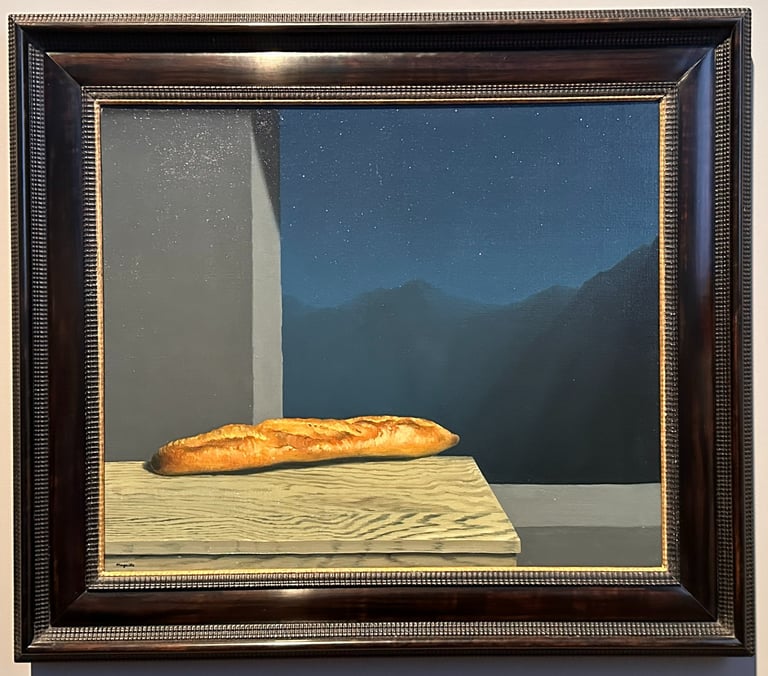
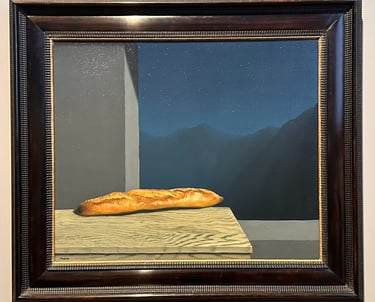
Nevertheless, he remained true to his style and objective representation in order to 'make the most ordinary objects shriek aloud'. At the same time, he asks fundamental questions about the representation of reality. To what extent does an image correspond to reality? When does an object become an idea?
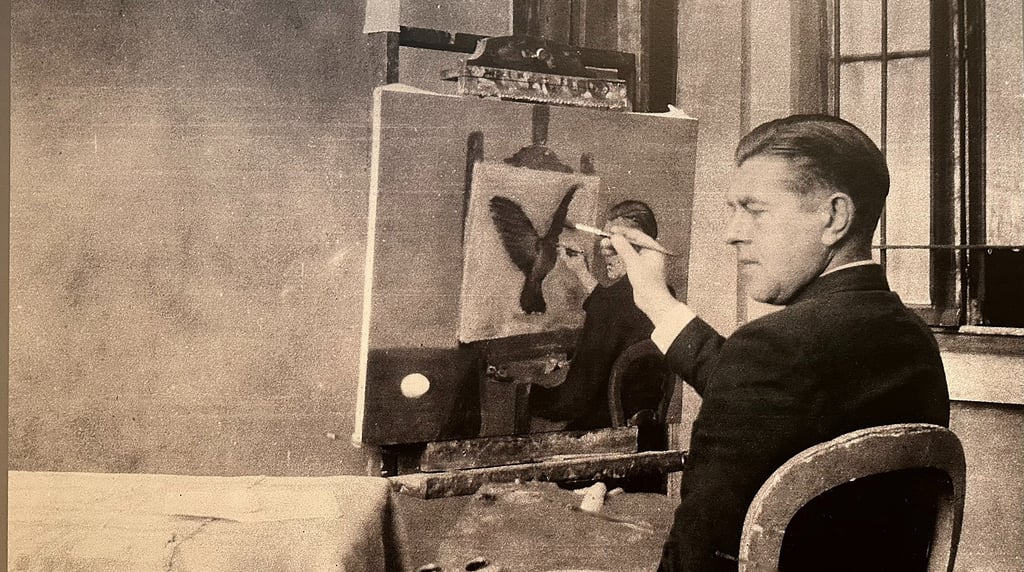
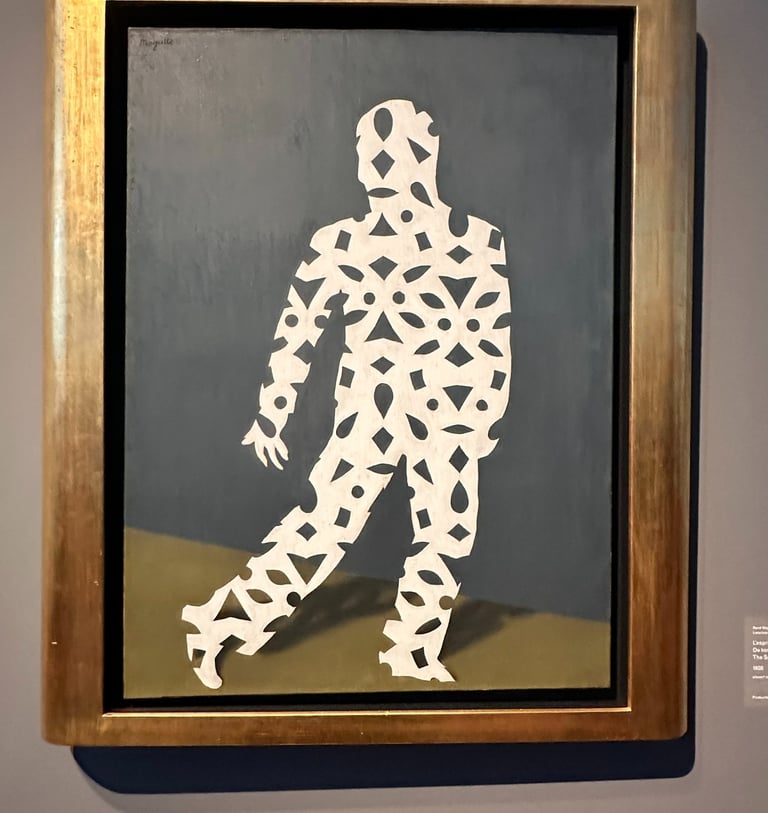
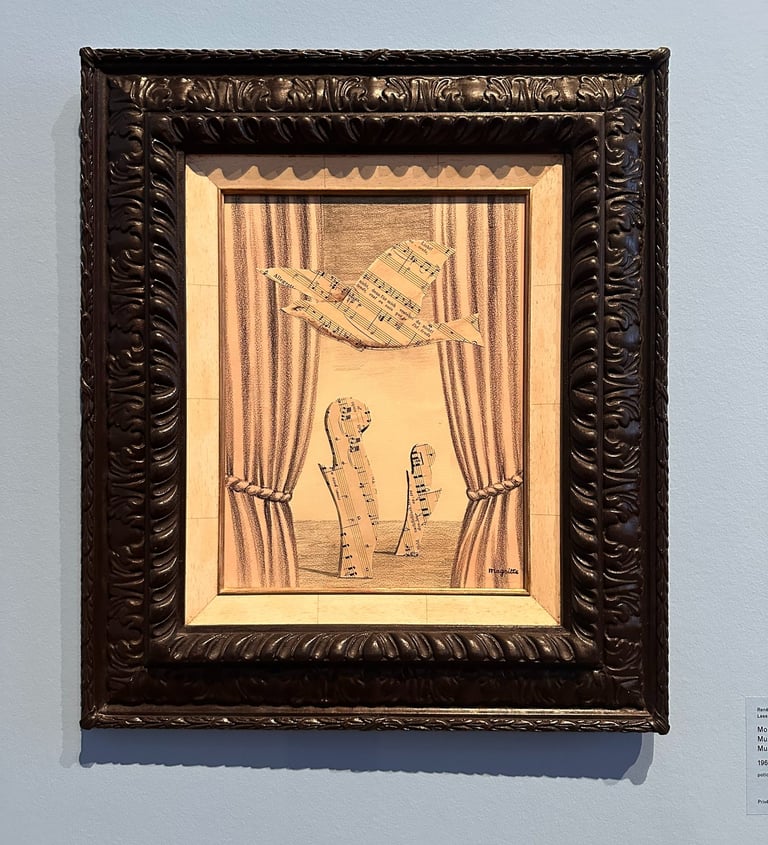
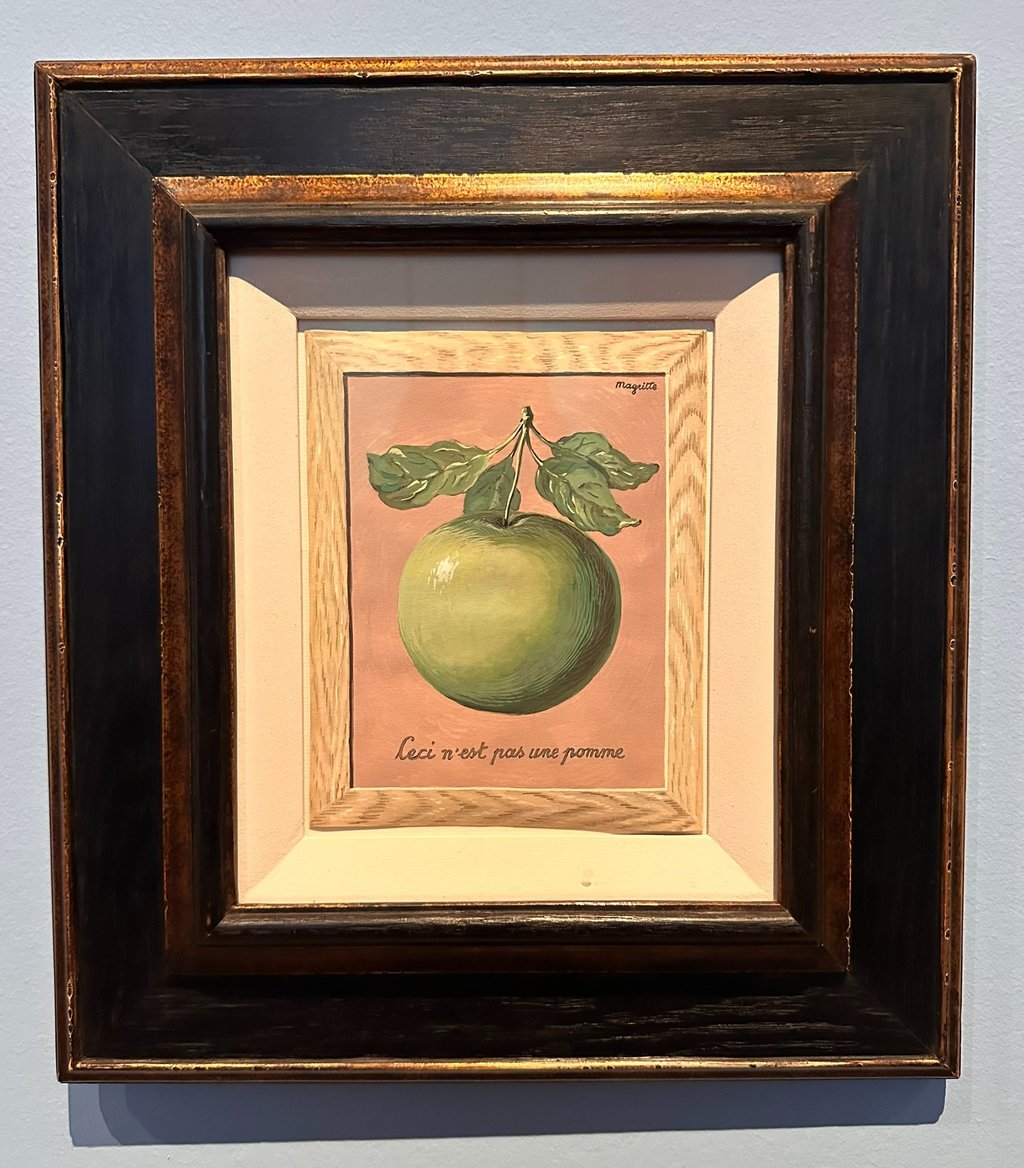
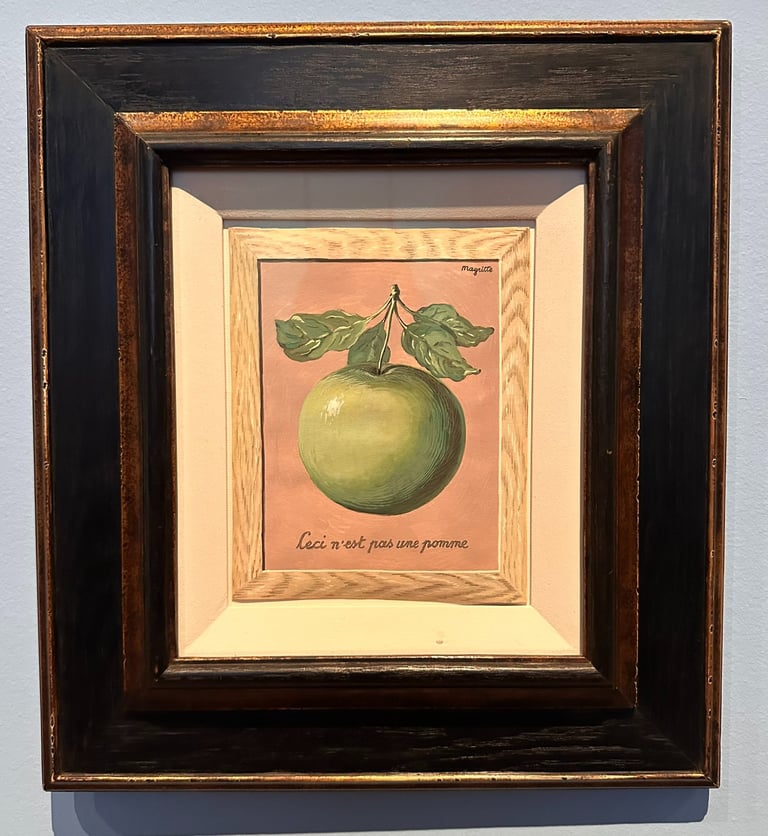
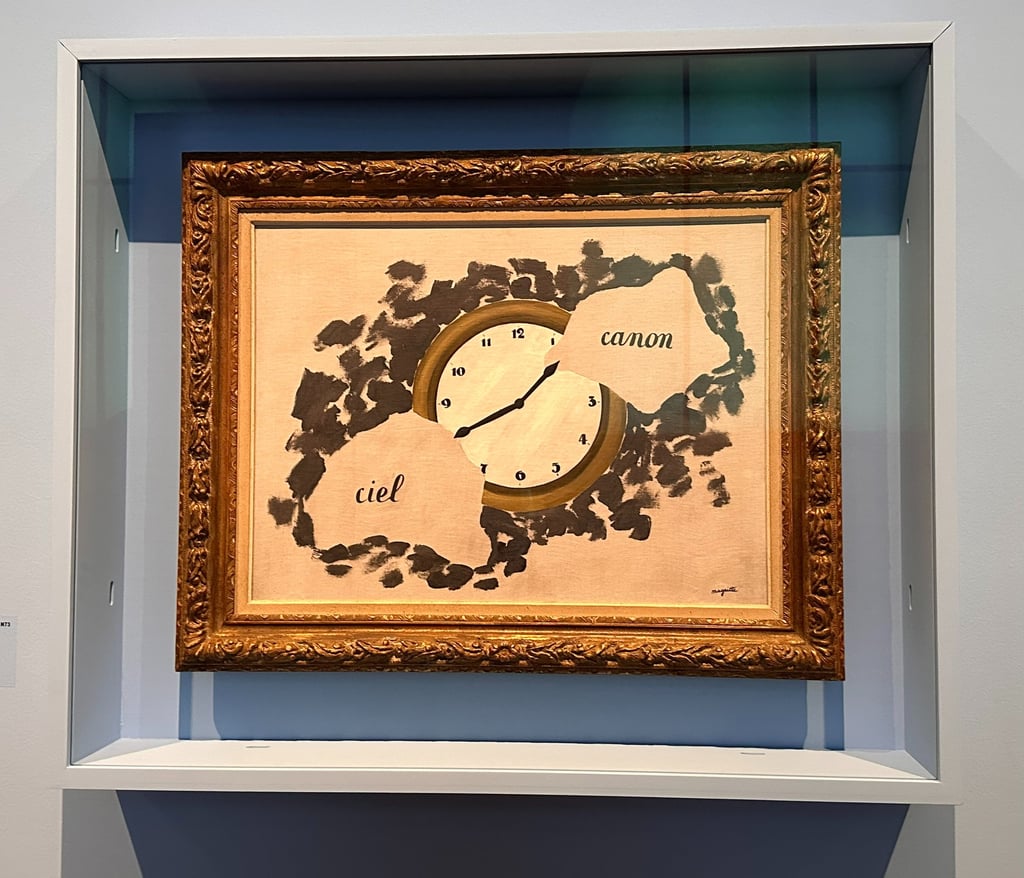
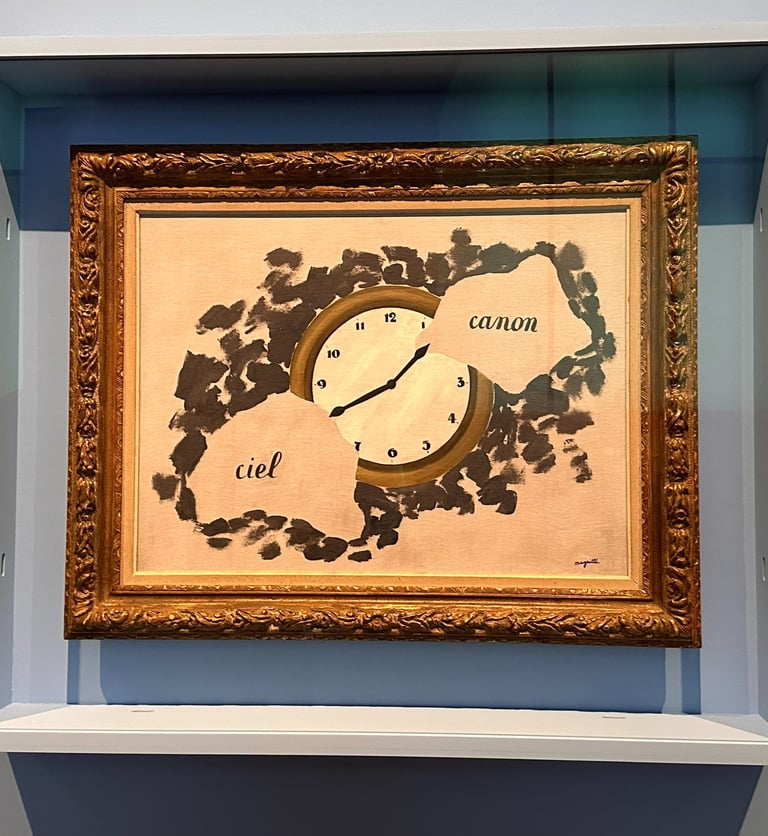
"One night in 1936, I woke up in a room where a bird was asleep in a cage. In a wonderful illusion, inside the cage I saw not a bird but an egg."
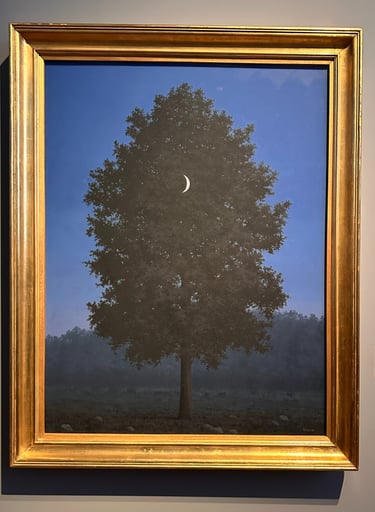
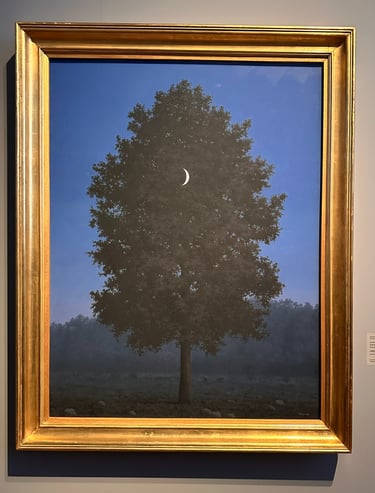
Magritte talks about this vision in The Lifeline. During the transition between sleep and wakefulness, he discovered a new way of provoking poetic shock, crafting a reality that blurs the lines between dreams and consciousness. The door, the house, the tree, the horse and the human body are some of the motifs that Magritte revisits time and time again, imbuing them with layers of meaning that challenge our perceptions. On canvas and on paper, he presents a dialogue with the viewer, inviting them to explore the depths of their imagination. It is as if he is trying to fathom their mystery, unraveling the threads of existence and showcasing the beauty of the ordinary infused with the extraordinary.