Artistic Research and The Threshold of Co-Creation
Antwerp Research Institute for the Arts, University of Antwerp.
By LS
4/16/2026
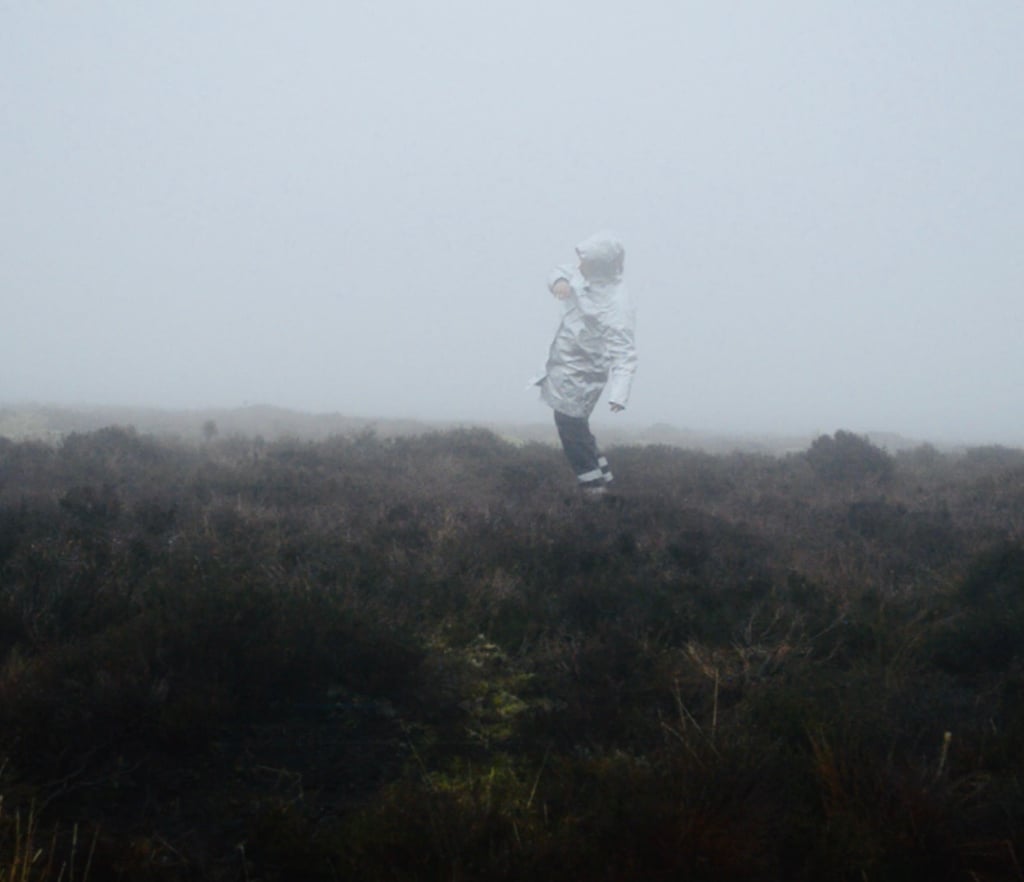
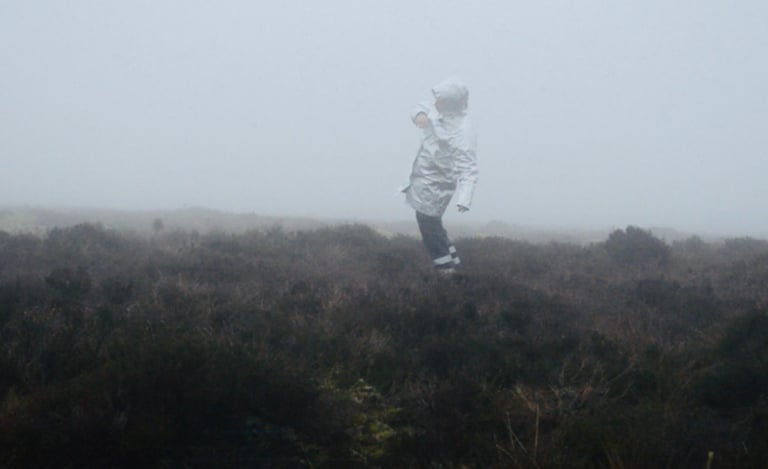
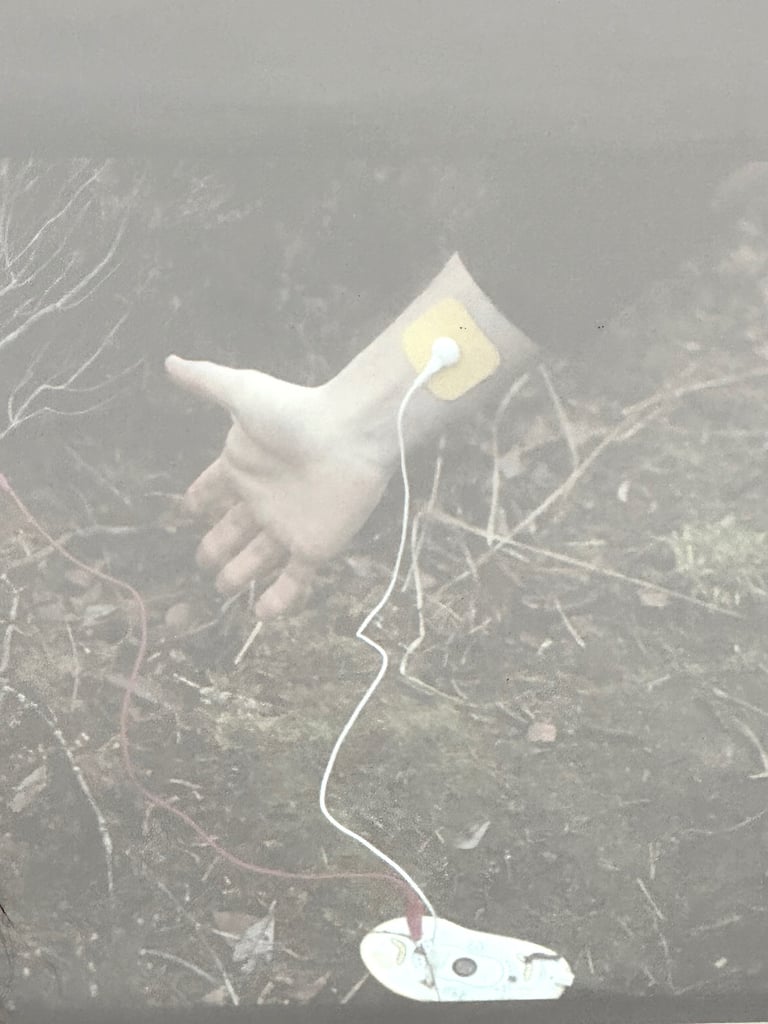
Within artistic research, the artist-researcher often moves between independence and interconnectedness. Consequently, the research process itself can be viewed as a dynamic entity that contemplates these two extremes through ongoing processes of creation, perception and contemplation. Concepts such as autopoiesis (self-creation) and symbiosis (mutual development) provide valuable insights into how creativity emerges through reciprocal interactions rather than solitary expression. This notion emphasises that art is not merely the product of individual genius, but rather a collaborative journey that thrives on connection and dialogue. In what ways do these multifaceted notions reshape our understanding of the artist-researcher as both a self-sustaining entity and a vital node in a larger ecology of relations? In short, where does the threshold of co-creation truly lie within the spectrum from autopoiesis to symbiosis? When can we truly speak of co-creation? What ethical considerations arise when various voices merge in the creative process, and what impact does this have on the resulting work?
In ecological and social systems, symbiosis refers to relationships built on exchange and mutual transformation. When these models are applied to artistic research, they challenge traditional notions of authorship and expertise, as well as the complex power dynamics between different voices. Knowledge and skills emerge through continuous negotiation, rich dialogue, and relational development among co-creators. This interdisciplinary approach fosters an environment in which creativity can flourish through collaboration, community, and the embrace of diverse perspectives.
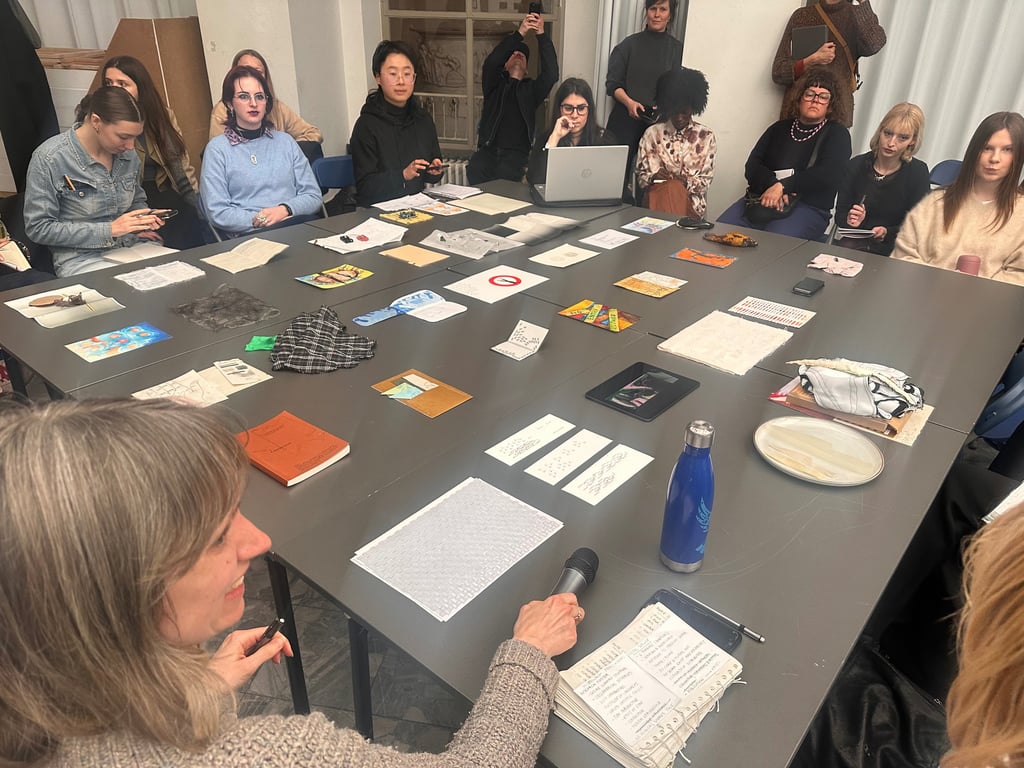
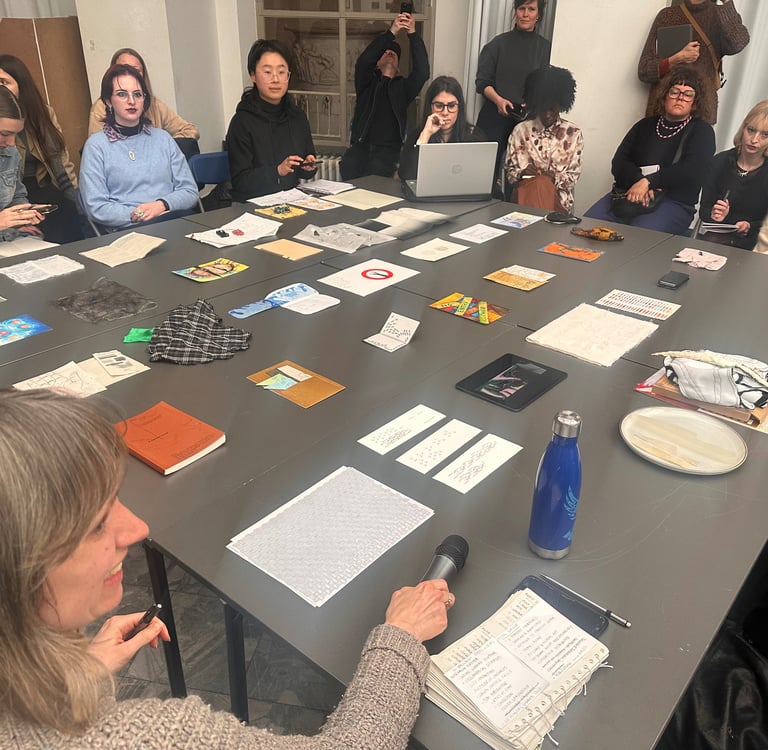
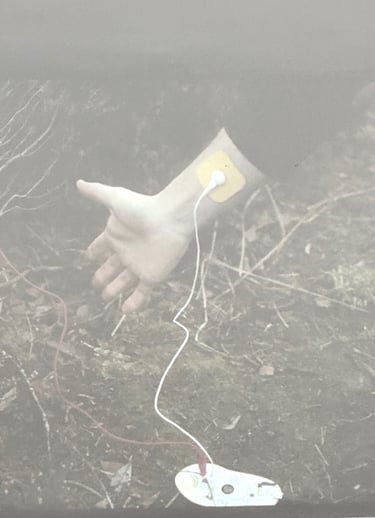
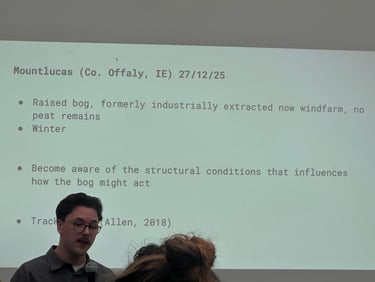
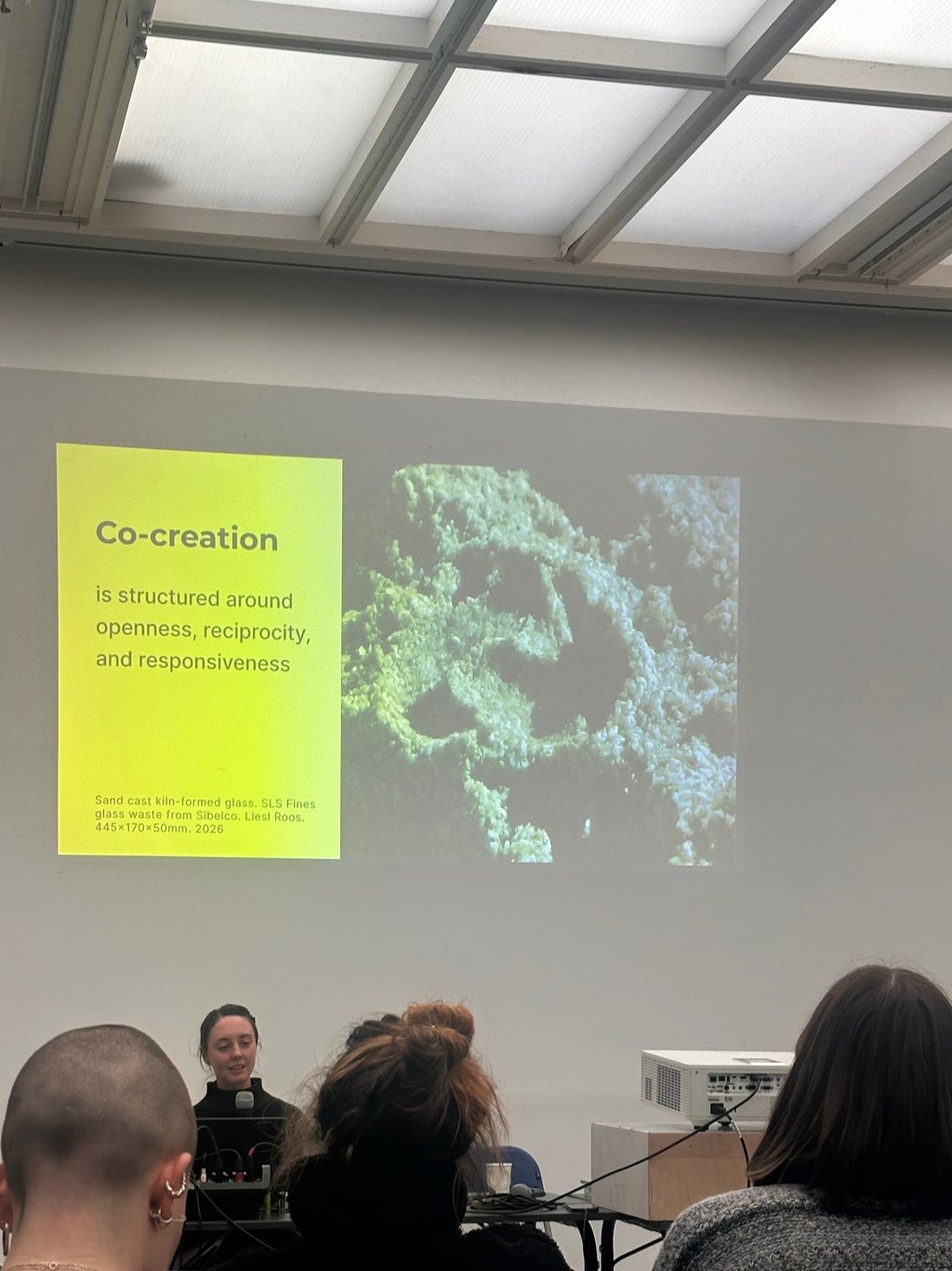
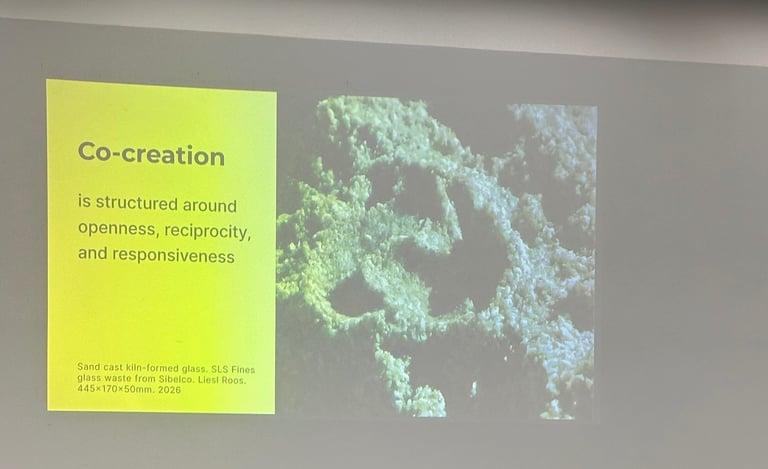
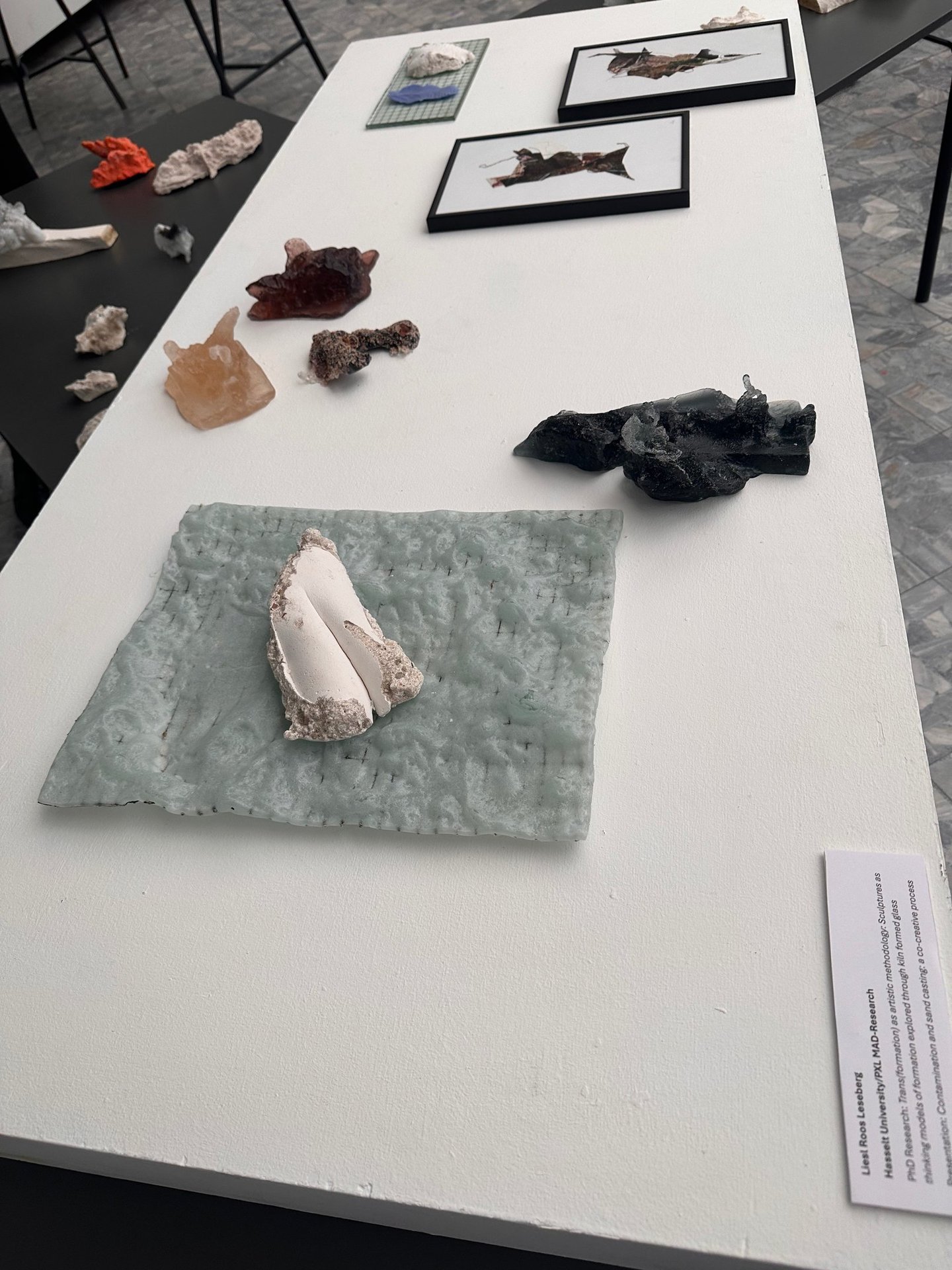
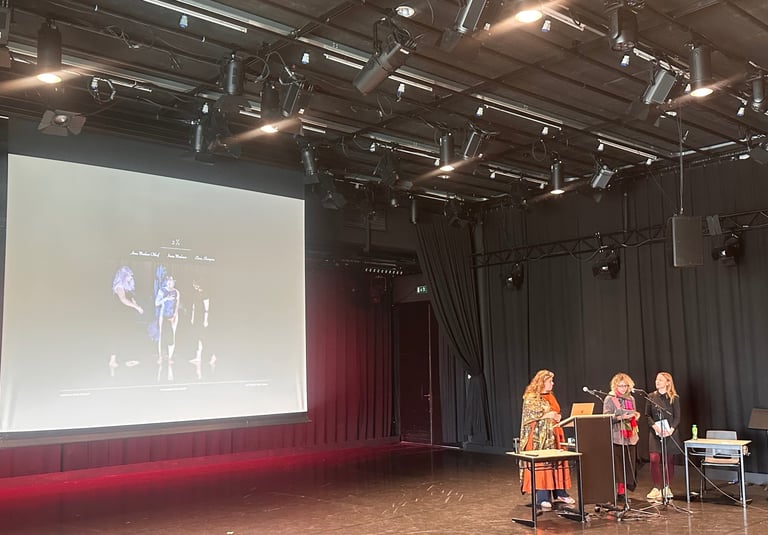
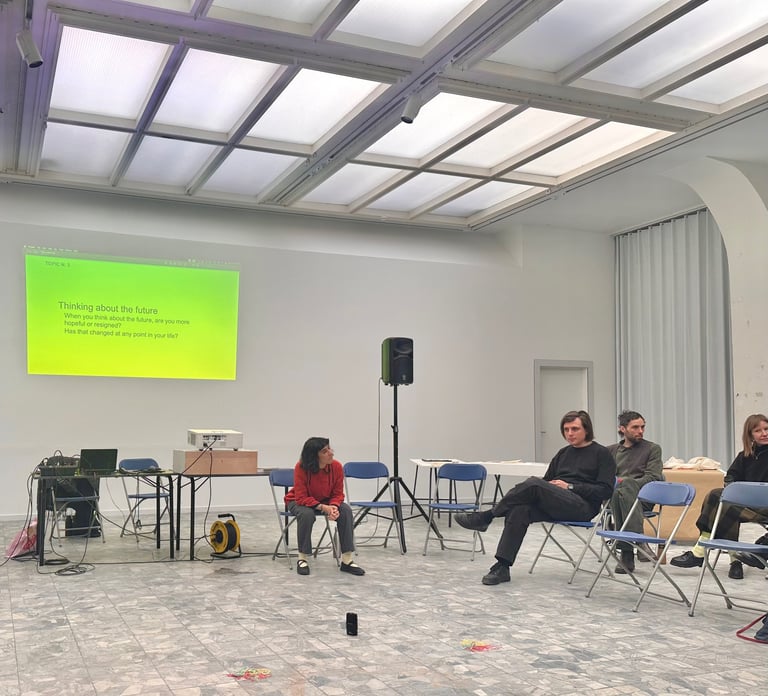
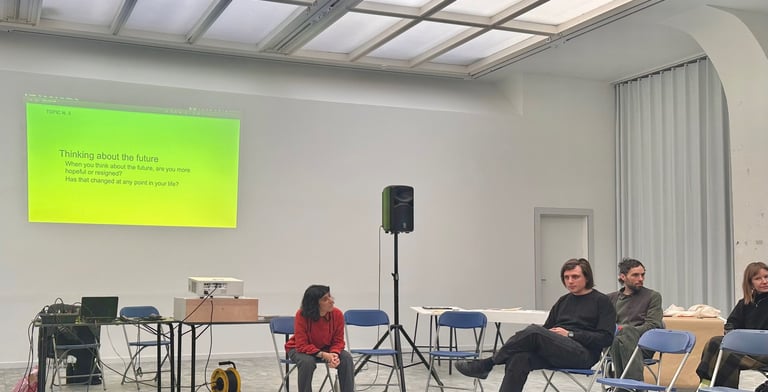
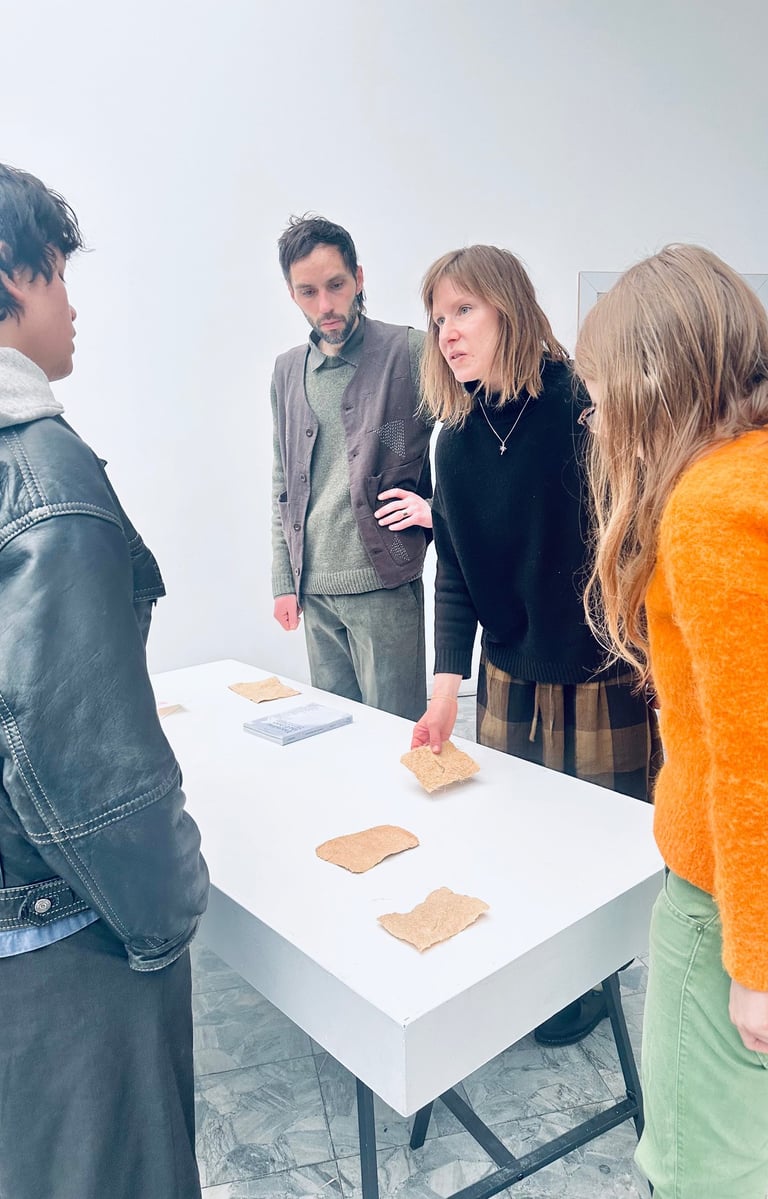
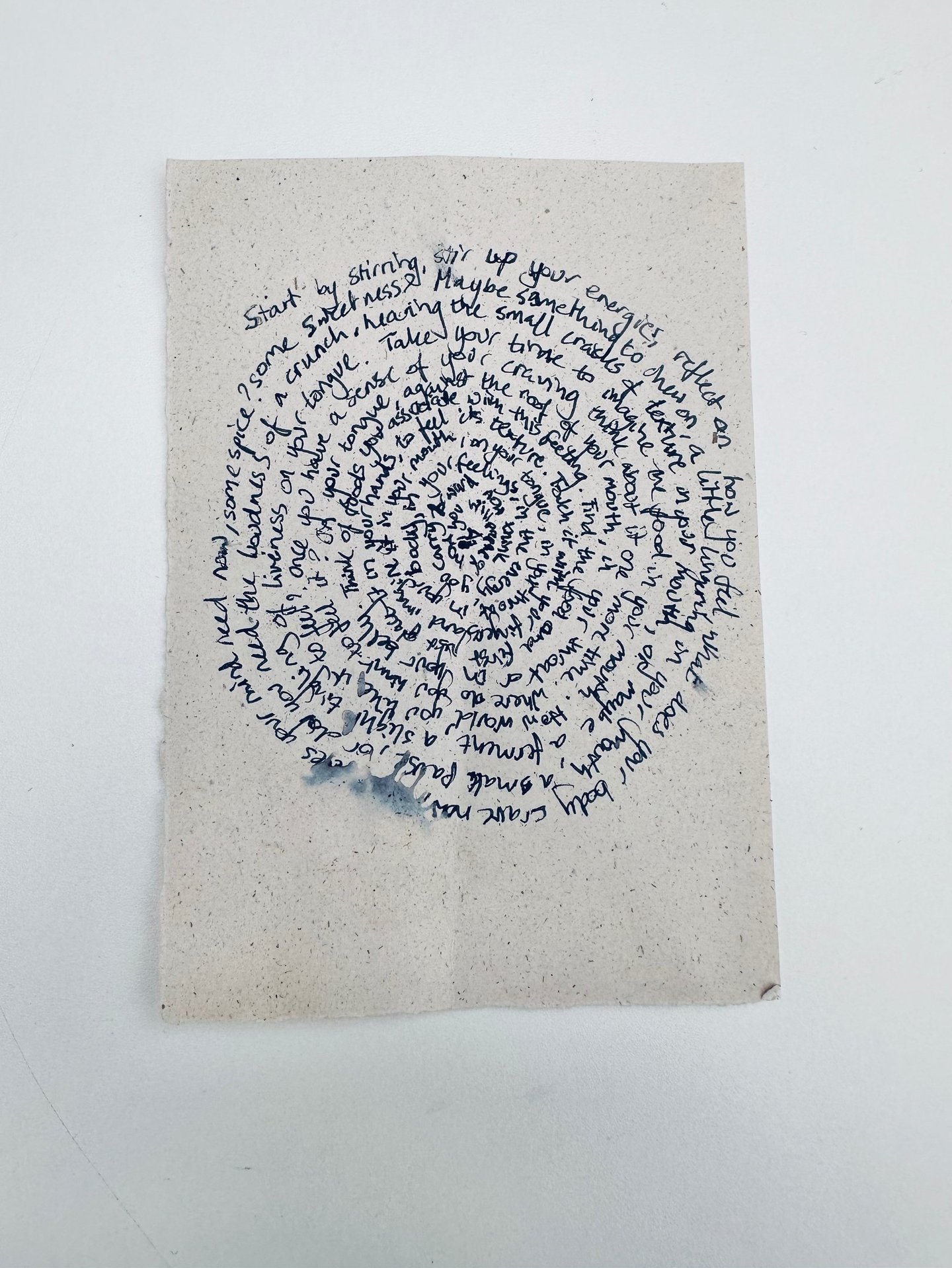
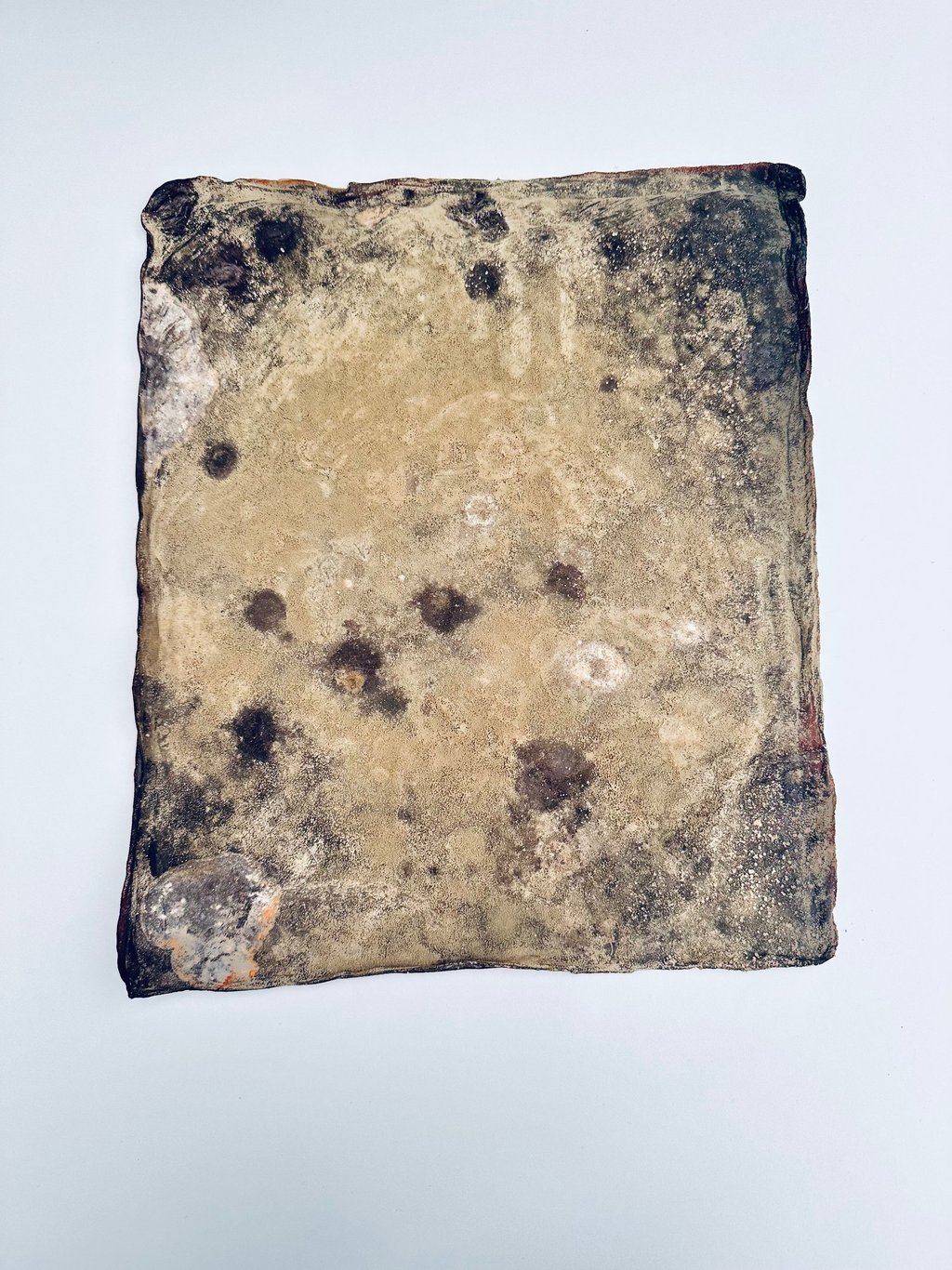
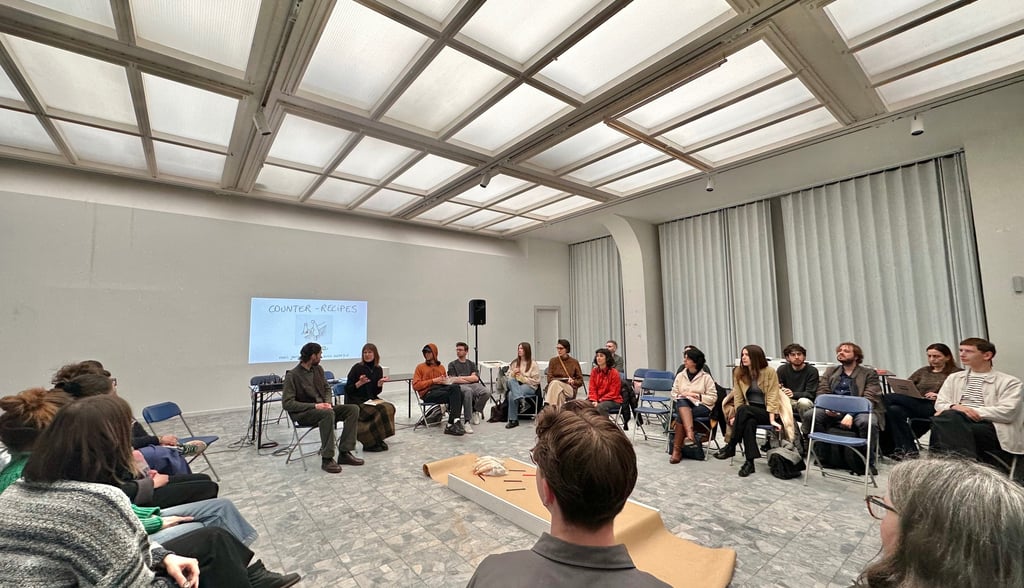
At the Wintertuin of Royal Academy of Fine Art Antwerp, the method art #8 seminar took place, where artist-researchers presented their work. Among the presenter were Anna Andrejew and Floris Janssens. For both Anna and Floris, artistic research often fluctuates between independent creation and relational interconnection. Their joint practice, somæ, explores this spectrum by placing co-creation at the intersection of autopoiesis and symbiosis. By merging Anna's embodied, spatial ethnography with Floris's archival and food-related research, they explore how knowledge, memory and matter arise relationally rather than through extraction. Central to their practice is fermentation, both as a method and a metaphor. Microbial, edible and conceptual ferments illustrate processes of transformation, care-taking, unpredictability and temporal unfolding. Much like living archives, they rely on attentiveness rather than control, fostering dynamic reciprocity between human and non-human agents. This methodology is also related to archiving, emphasising the concept of the 'anarchive', which favours generativity over static preservation. Recipes, maps and collaborative processes serve as instruments for sensing, negotiating and co-authoring knowledge. This presentation is based on an article due to be published in Landing, an international platform dedicated to critical and creative artistic enquiry with a focus on research methodologies and situated, process-based practices. Throughout the presentation, discussion is blended with practical engagement: participants are handed cotton bags containing small pieces of ferment, which they then taste and collectively contemplate alongside the relational, non-extractive methodologies of artistic research. Through handling materials, savouring flavours and discussing processes, they encourage participants to consider how knowledge and creativity can evolve through interaction with human and non-human collaborators.
By redefining research as a caring act, they investigate the moment when an artistic pursuit shifts from individual autopoiesis to symbiotic co-creation. This presentation illustrates how paying attention to processes, materials, and microbial life can foster ethical, participatory, and generative methodologies. Anna and Floris hope that participants will leave with a tangible sense of co-creation in progress, and an understanding of knowledge as something dynamic, unfinished, and responsive.
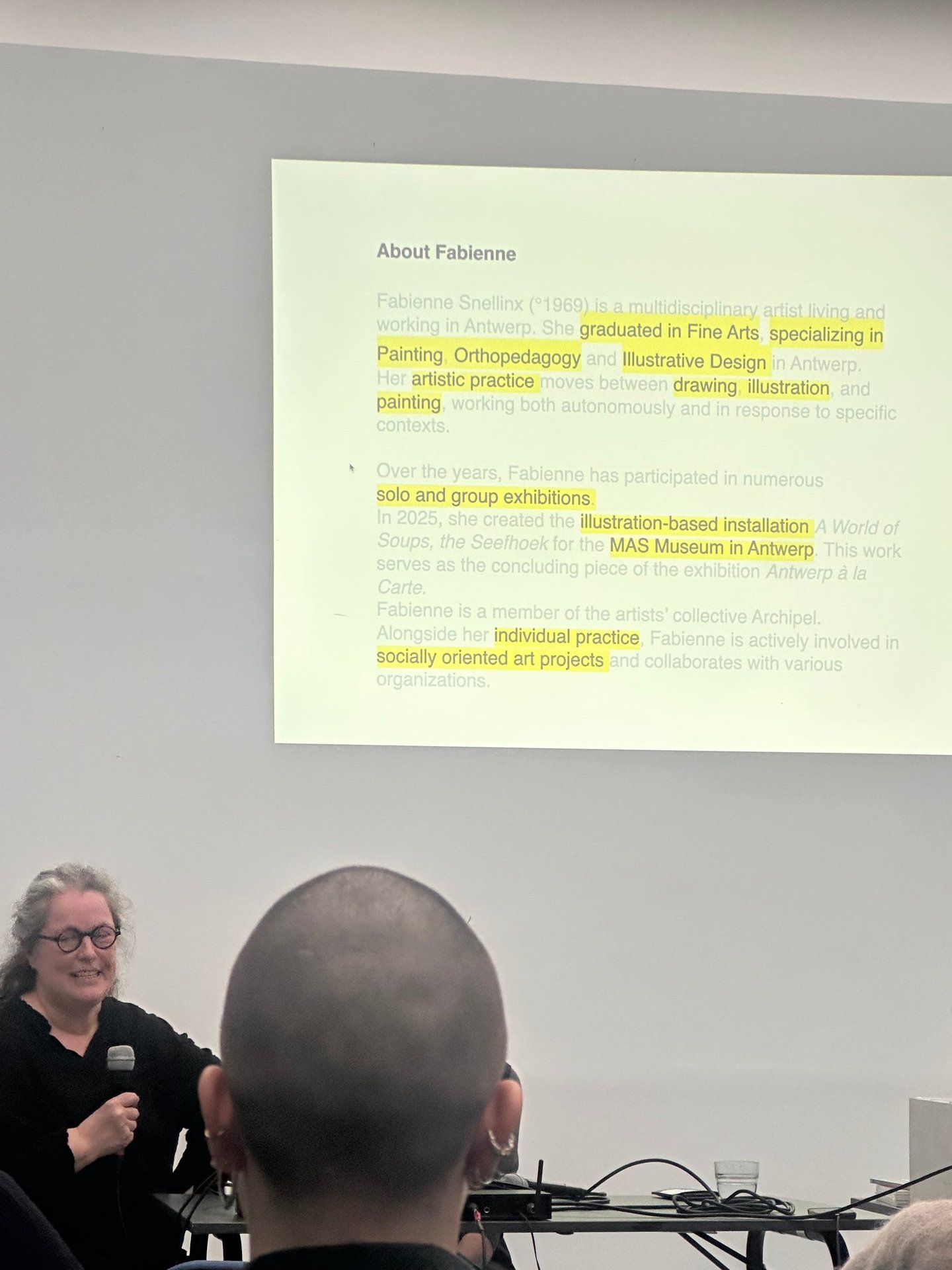
Another duo of artistic researchers, Wieke Aerts and Fabienne Snellinx, showcased 'City Whisperings', a project exploring the city as a self-sustaining creative organism an entity constantly reshaped by materials, people, infrastructure, and time. Snellinx, a visual artist known for her innovative approach, and Aerts, a jewellery and object designer and photographer with a keen eye for detail, collaborated based on their shared fascination with the often overlooked elements of urban landscapes, including traces, reflections and shifting rhythms. Recognising each other’s unique perspectives and approaches to seeing and researching urban life, their collaboration developed organically and the co-creation emerged unexpectedly. Through ongoing dialogue and discussions that bridged their respective practices, their ideas, materials and methods gradually fused, combining elements from both artists' disciplines. The city itself acted as a third participant, with its streets, light, erosion, sounds, and inhabitants continually influencing the research and becoming a living canvas that evolves with each stroke of their artistic endeavours.

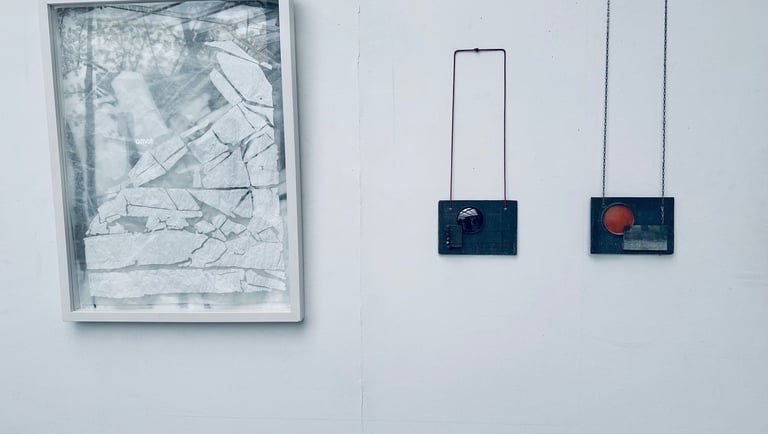
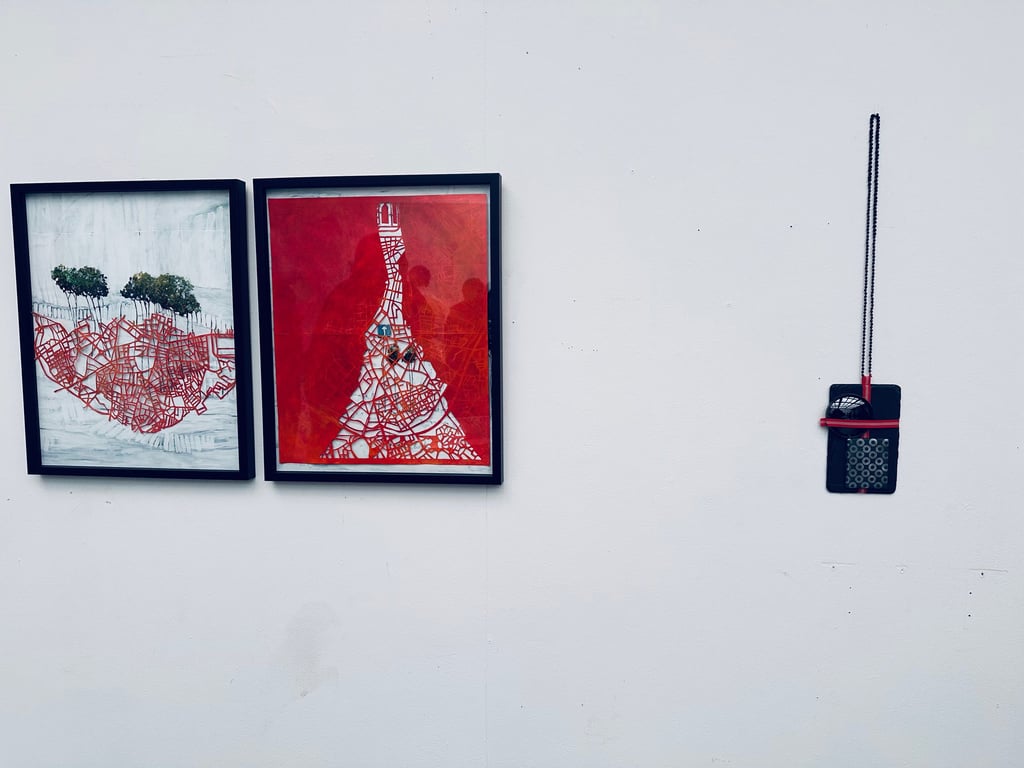
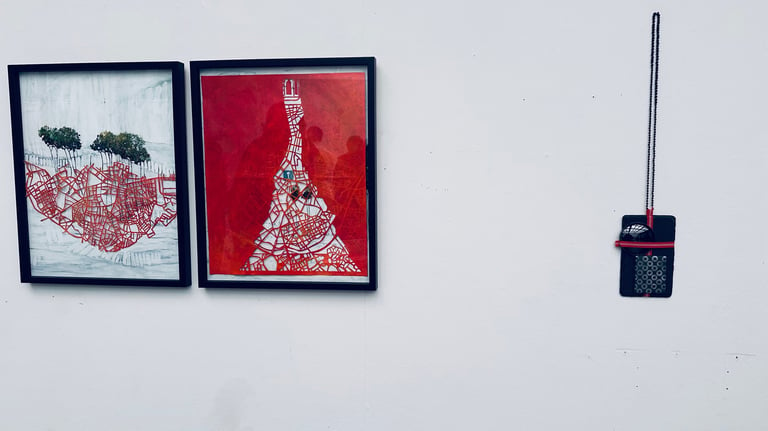
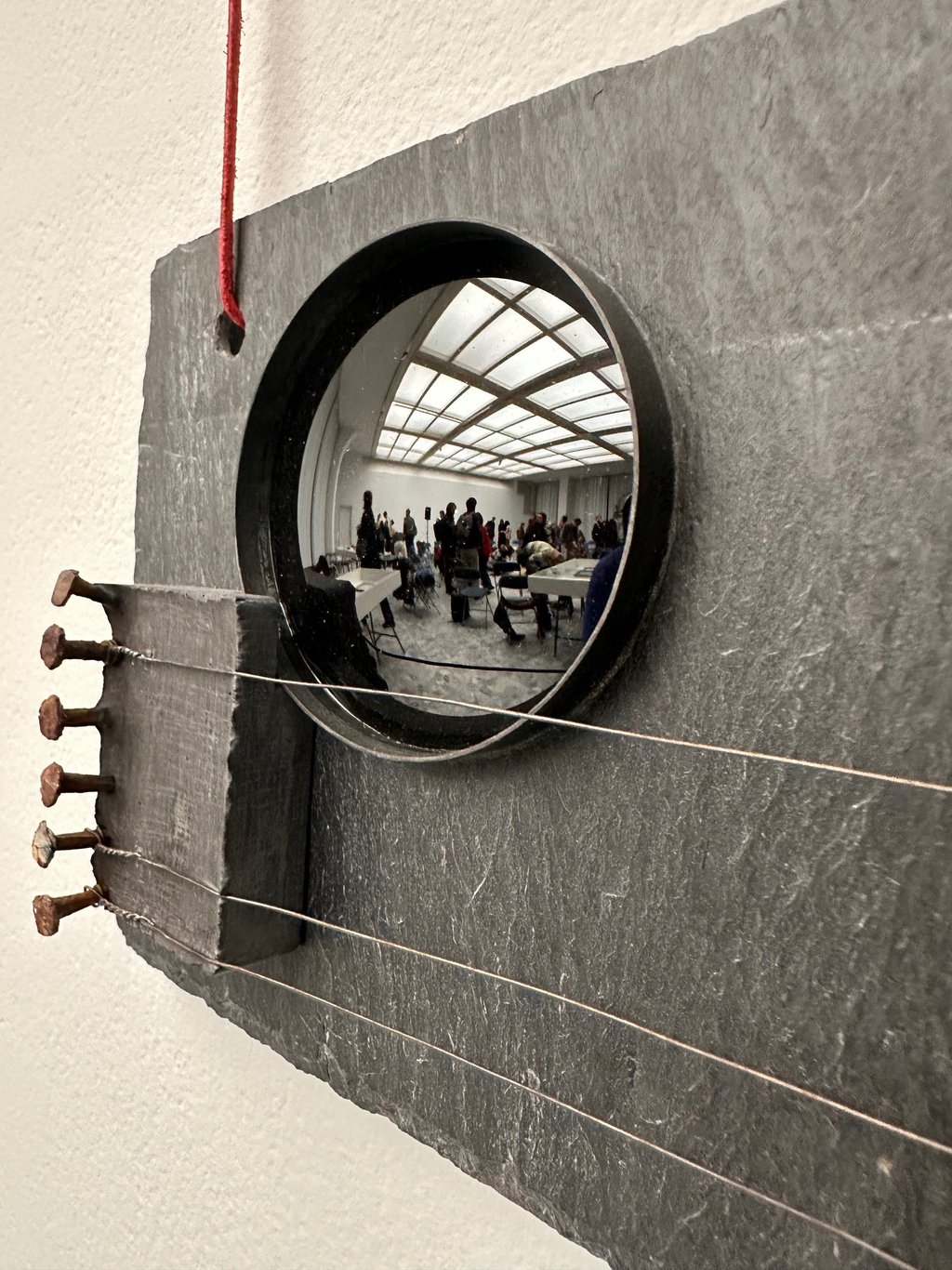
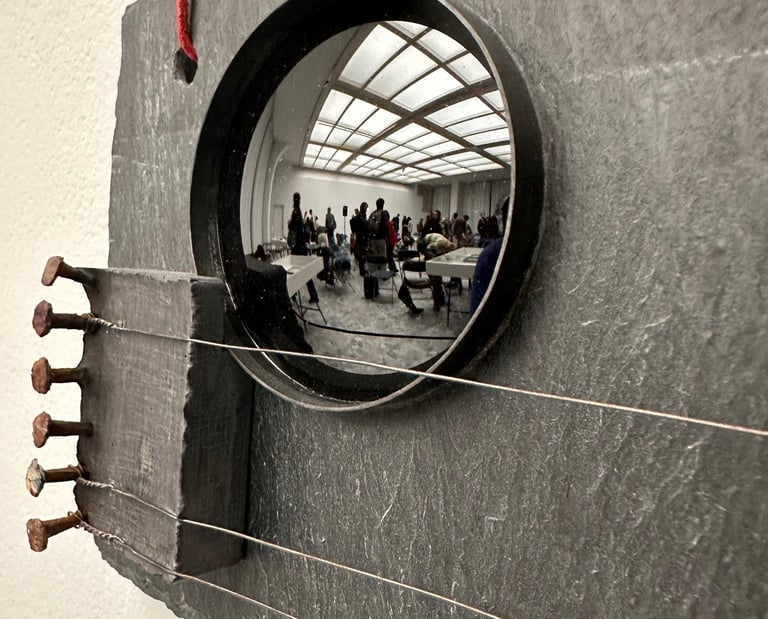
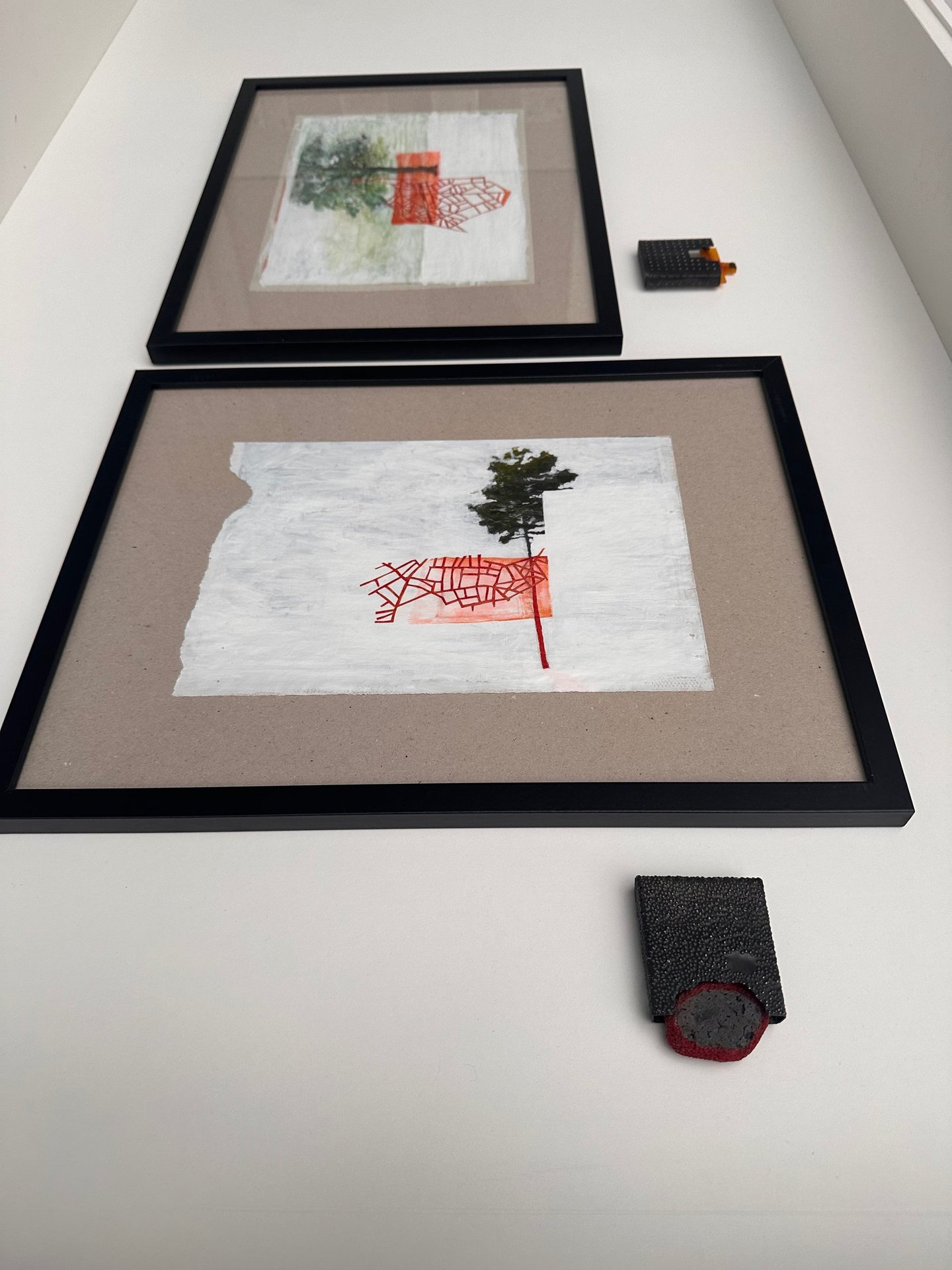
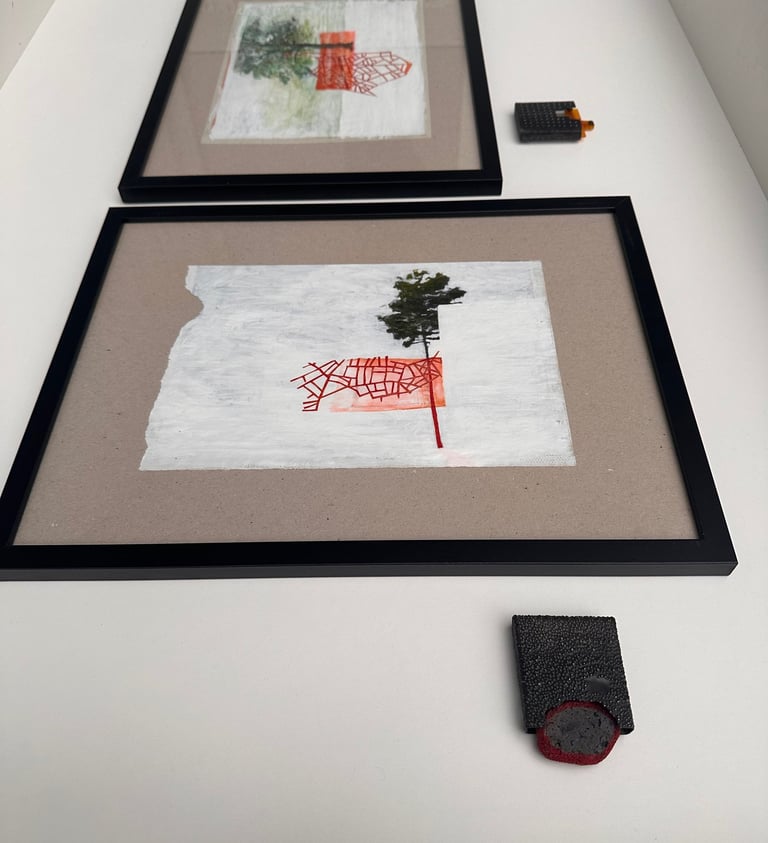
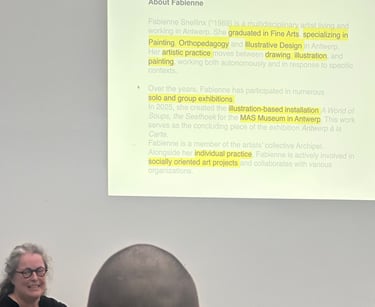
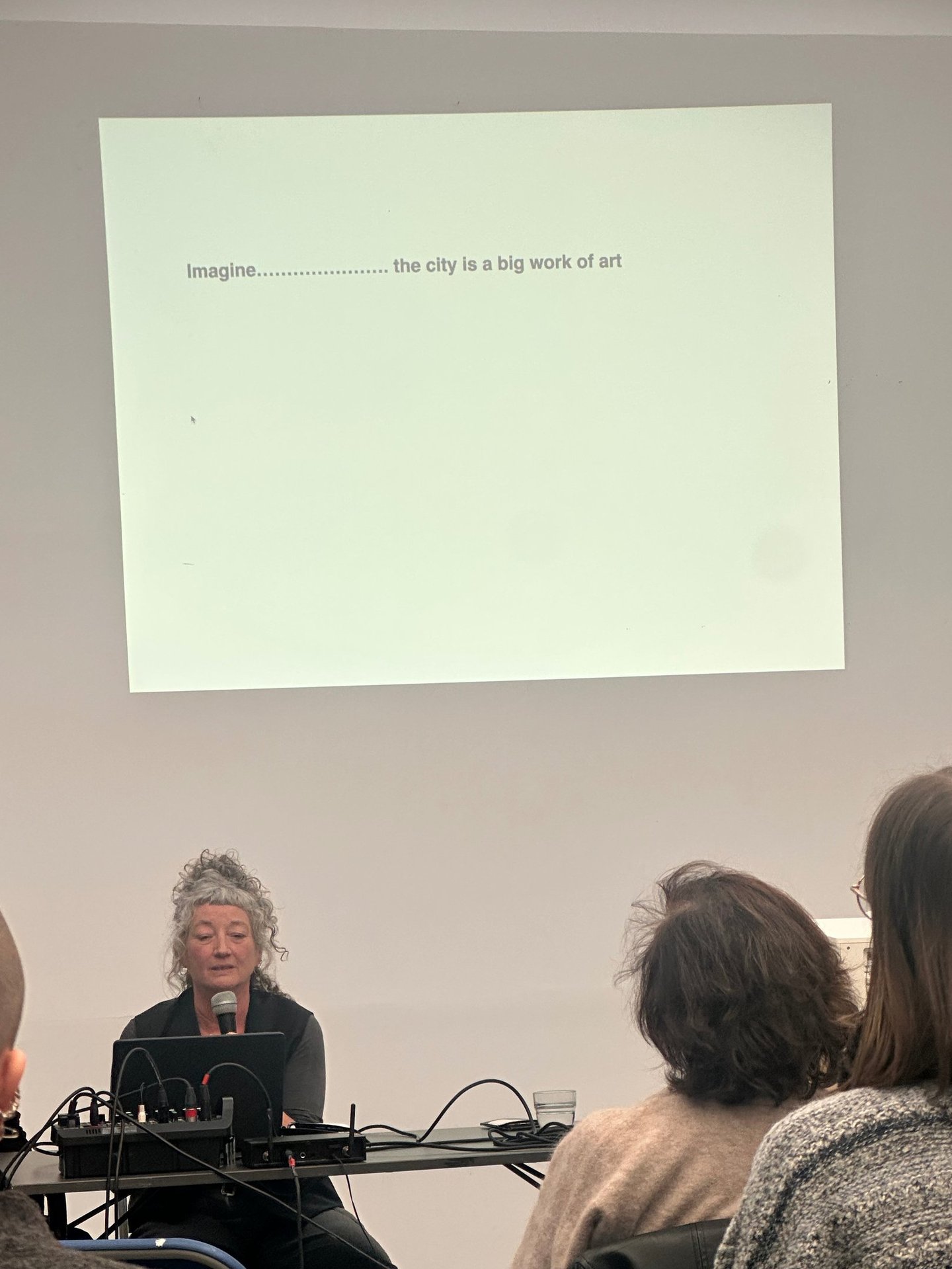
Despite their different disciplines, it was precisely this tension that enabled them to collaborate successfully. Fabienne's artistic research, cartography and intricate drawing practices reveal the stories embedded in the urban landscape and address social responsibility. Meanwhile, Wieke explores the city through material intuition and the 'memory' of industrial waste, transforming discarded items into wearable fragments of urban history. Their work was inspired by in-depth discussions, shared observations, and collaborative experimentation that pushed the boundaries of their individual practices. Throughout this collaboration, both artists' artistic practices underwent significant transformation, evolving in ways that neither had anticipated. Their visual representations matured, and their artistic identities transformed under the influence of each other's perspectives and expertise. The outcome was greater than the sum of its parts a true realisation of 1 + 1 = 3 achieved through ongoing feedback and proactive engagement that refined their respective research methodologies and creative processes. Exchanging materials and techniques caused the boundaries between their disciplines to dissolve, creating a rich tapestry of interconnected ideas and expressions. Fabienne began to think more spatially, moving beyond her usual materials and embracing the complexities presented by the urban context. Her illustrations became more intricate in both appearance and substance, achieving greater depth of meaning and resonance. Influenced by Wieke’s awareness of scale and proportion, Fabienne infused her work with greater tension and vitality, forming a dynamic visual narrative that captures the essence and complexities of the city. Through this lens, their work reflects their unique artistic journeys while providing insights into urban life. It encourages the audience to perceive the city through a fresh lens of exploration and contemplation.
These artistic research collaborations are a testament to the transformative power of partnerships between artists, where distinct voices come together to create something entirely new and invigorating.