An Avant-Garde Woman Artist
Marthe Donas (1885-1967)
ARTICLES
By LS
1/16/2026
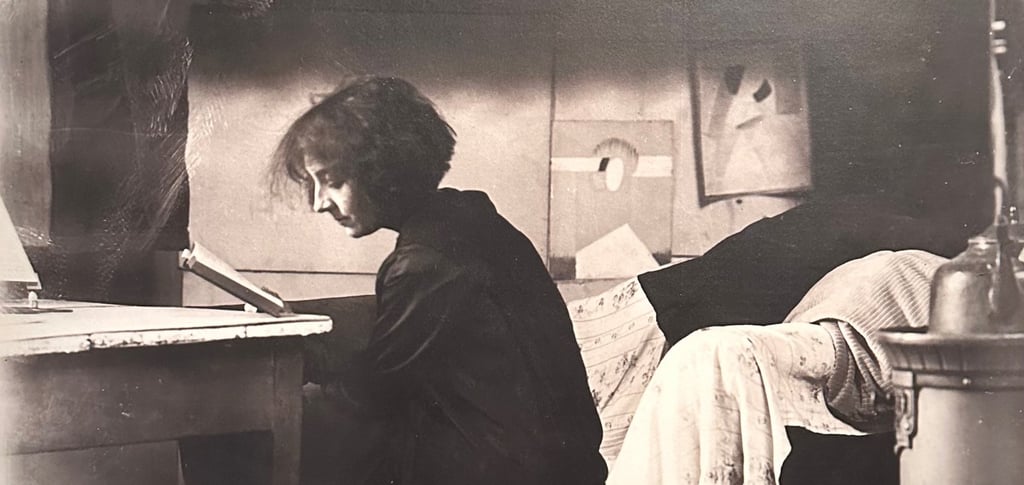
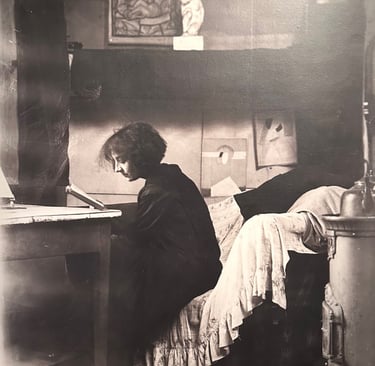
The narrative begins in 1916. Amidst the First World War, Marthe Donas (1885–1967) arrives in Paris. Born in Antwerp, it is in this city that her swift ascent in the artistic world commences.
Marthe Donas grew up in a wealthy bourgeois family in Antwerp. Although her talent for drawing was acknowledged, she derived no satisfaction from the private lessons traditionally given to young ladies from her social background. Against her father's wishes, she enrols at the Antwerp Academy.
When the war erupts, she seeks refuge in the Netherlands. From there, she travelled to Ireland, where she took a course in stained glass. This experience awakens her to the idea of deconstructing reality into different planes. The 1916 Easter Rising against British authority in Ireland compels her to flee once more. She makes a bold and decisive choice. Rather than joining her parents in the Netherlands, she heads to Paris, despite having no connections there. She leases a studio in Montparnasse and attends an art academy. There, she encounters Cubism at exhibitions by the Lyre et Palette art collective. Captivated by the abstract forms she sees there, she becomes a student of the painter André Lhote.
Struggling financially, in spring 1917 Donas agrees to accompany a lady to Nice in exchange for drawing lessons.
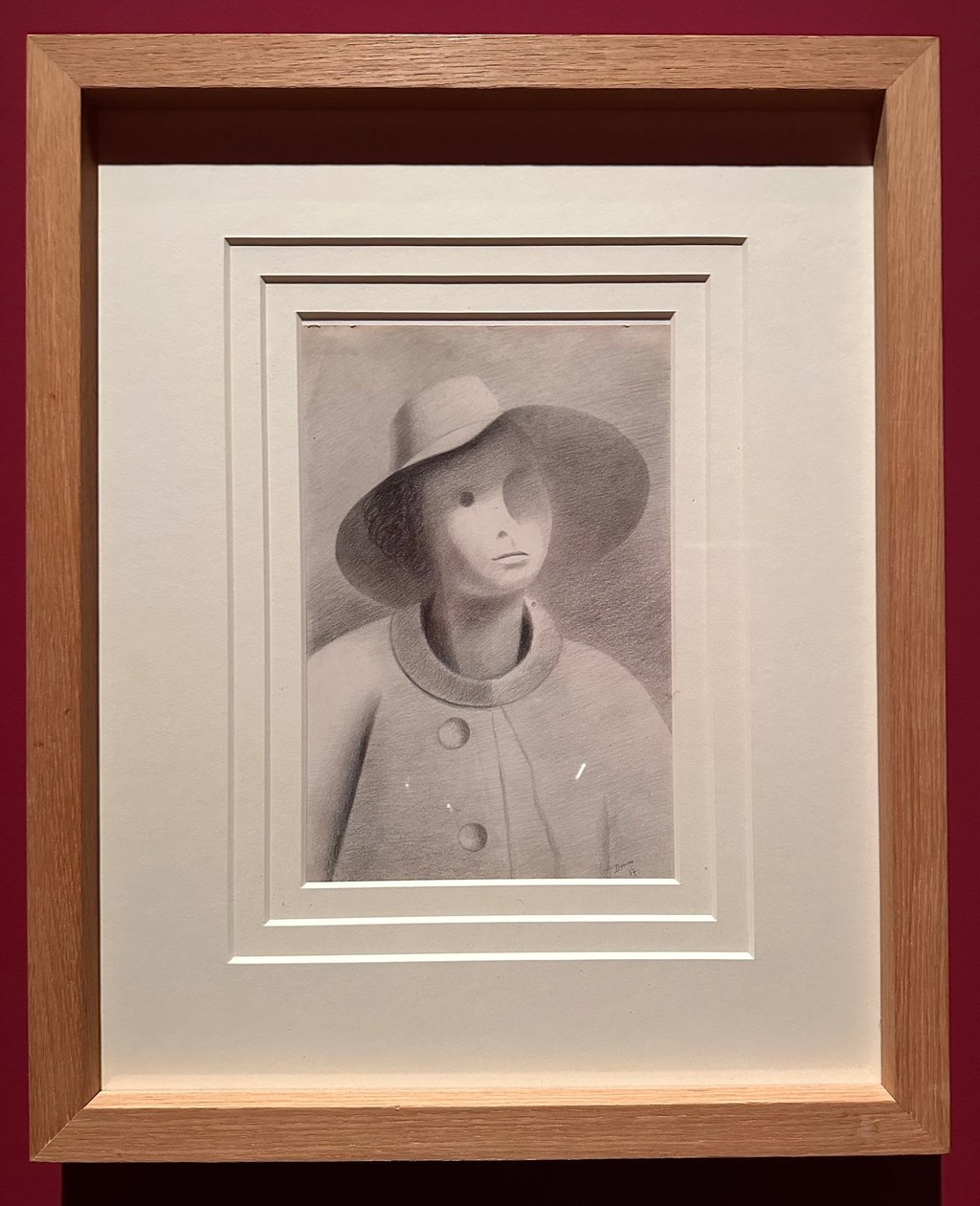
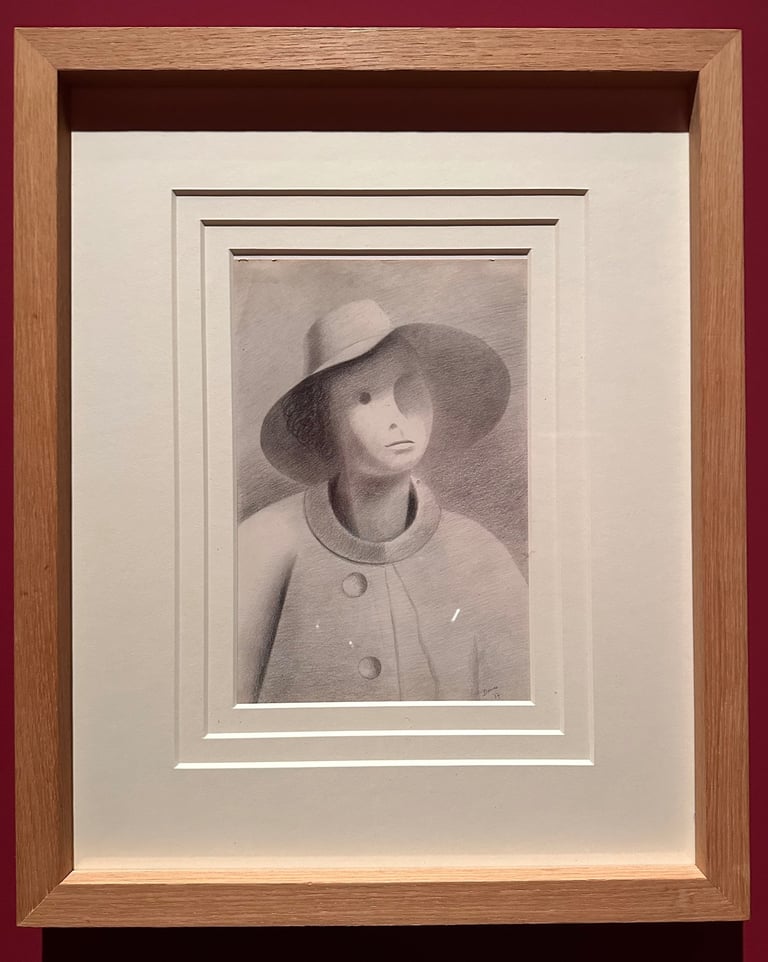
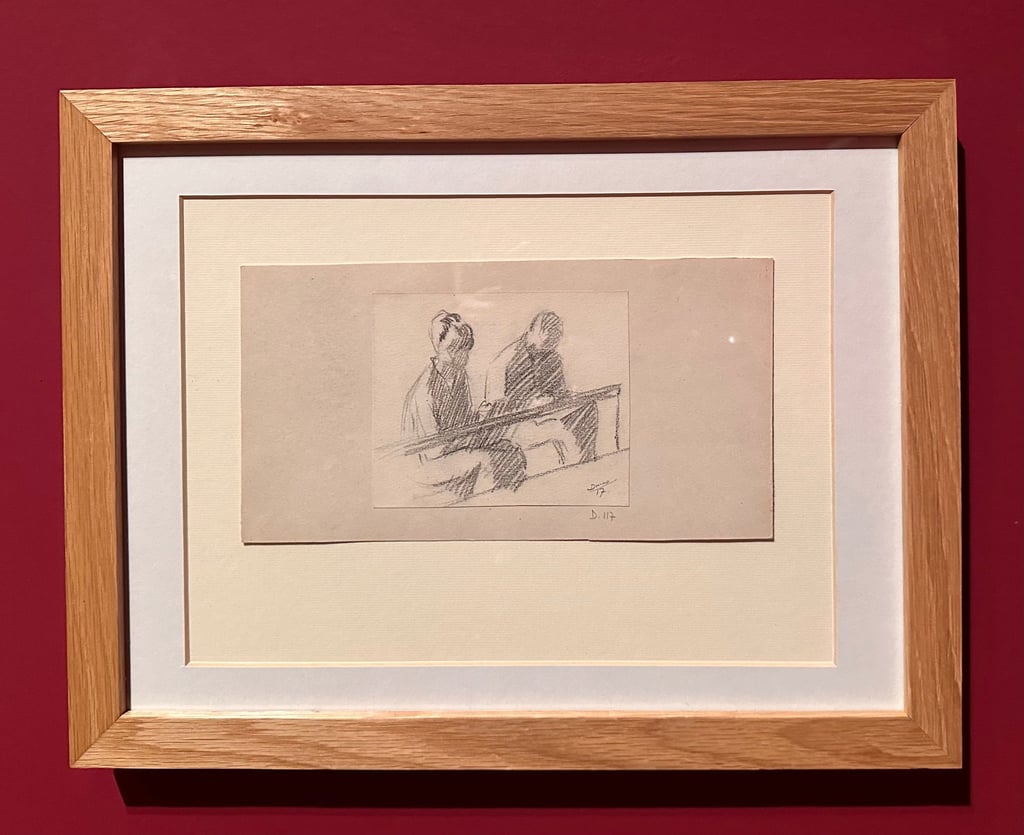
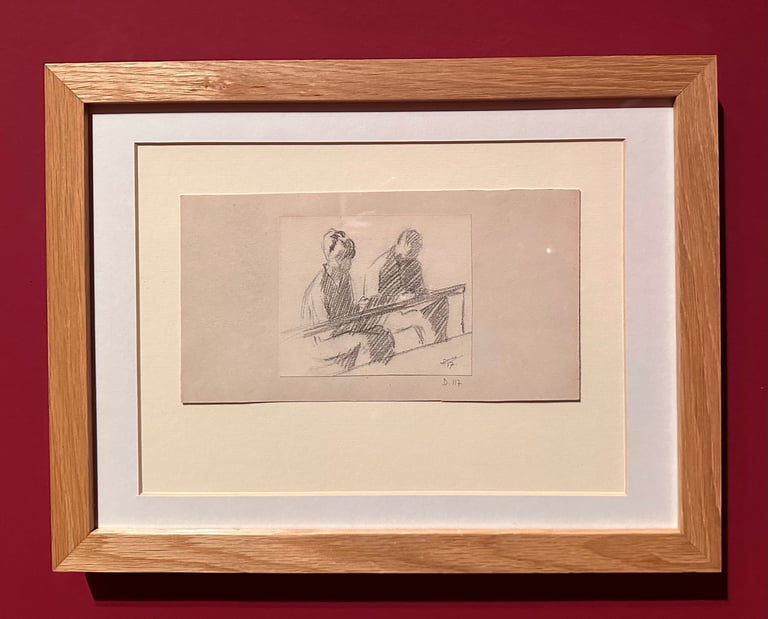
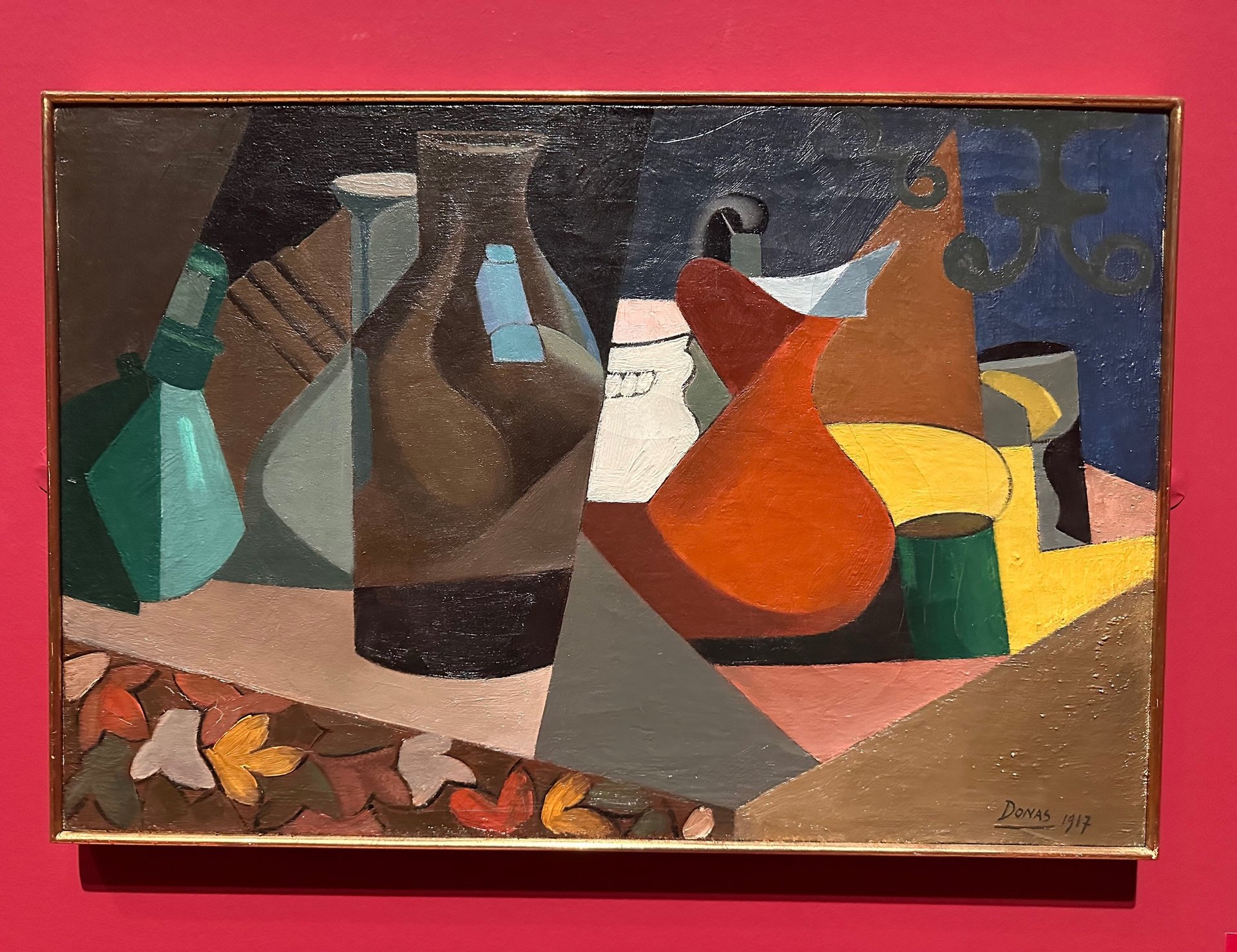
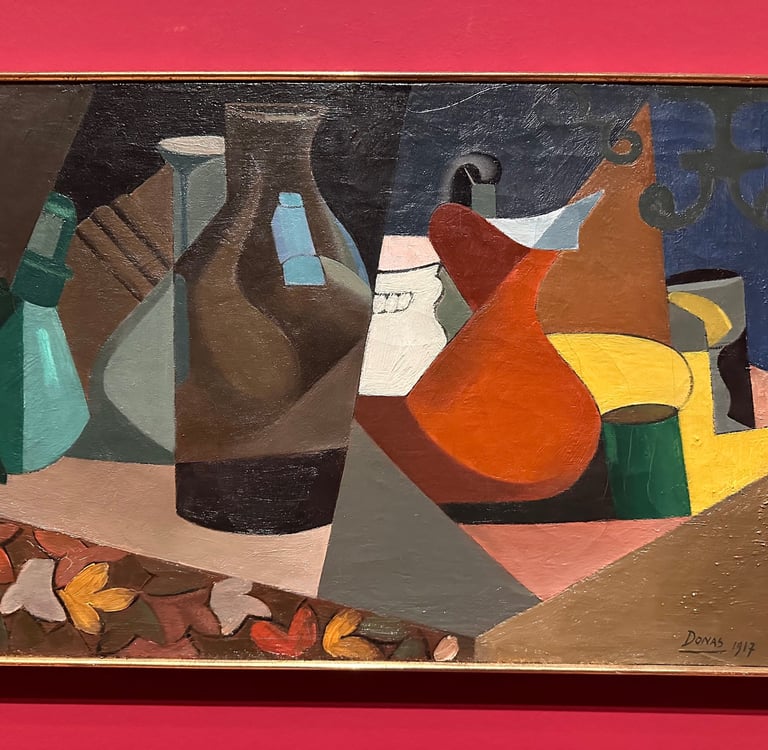
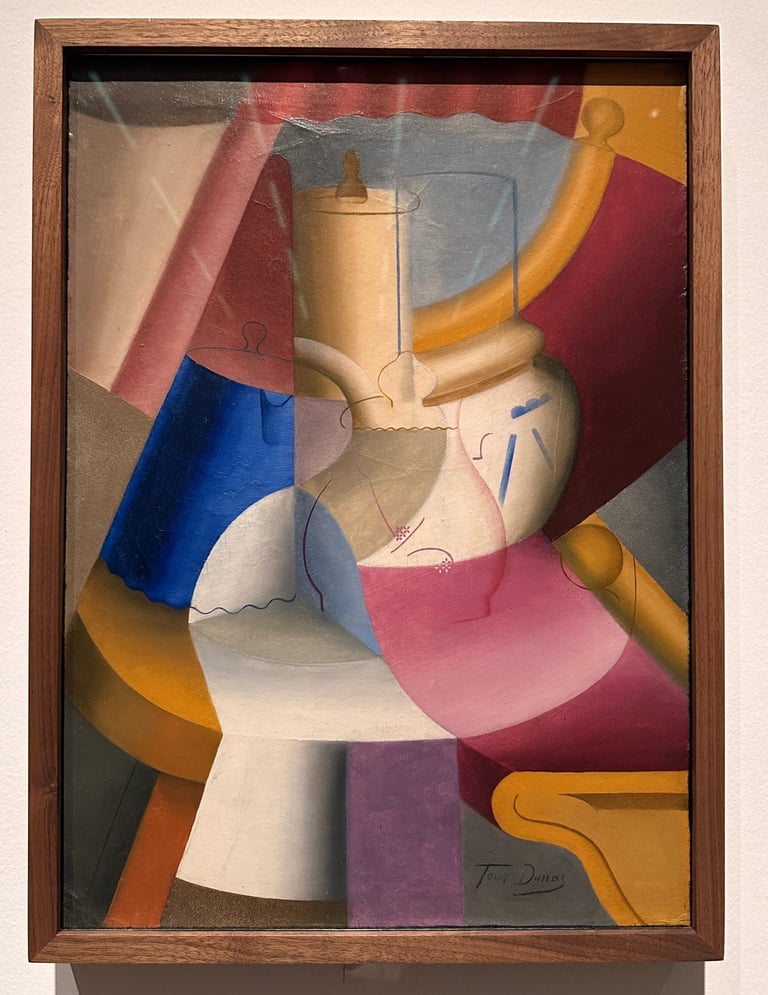
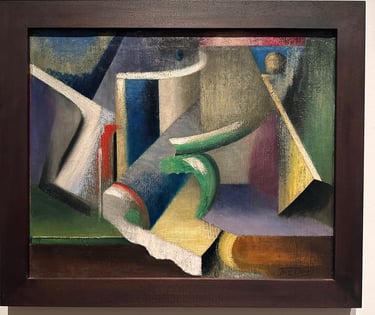
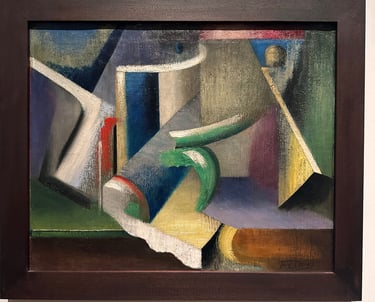
Dona considered 'Still Life' to be her first successful Cubist work. It is an exercise in 'visual rhyming' of forms and lines, a concept favoured by her teacher, André Lhote. Each form and line is repeated throughout the composition, creating a captivating rhythm. Like an echo, these elements resonate within the artwork, inviting deeper contemplation. The different perspectives and overlapping volumes are also characteristic of her approach, showcasing her evolving understanding of depth and dimension. As a novice Cubist, Donas endeavours to reconcile that style with the universal and mathematical law of equilibrium, striving to achieve a balance that reflects both chaos and order in her piece. This intricate interplay of forms not only showcases her technical skill, but also her emotional response to the subject matter. It invites the audience to experience the dialogue between the various elements that coexist harmoniously on the canvas.
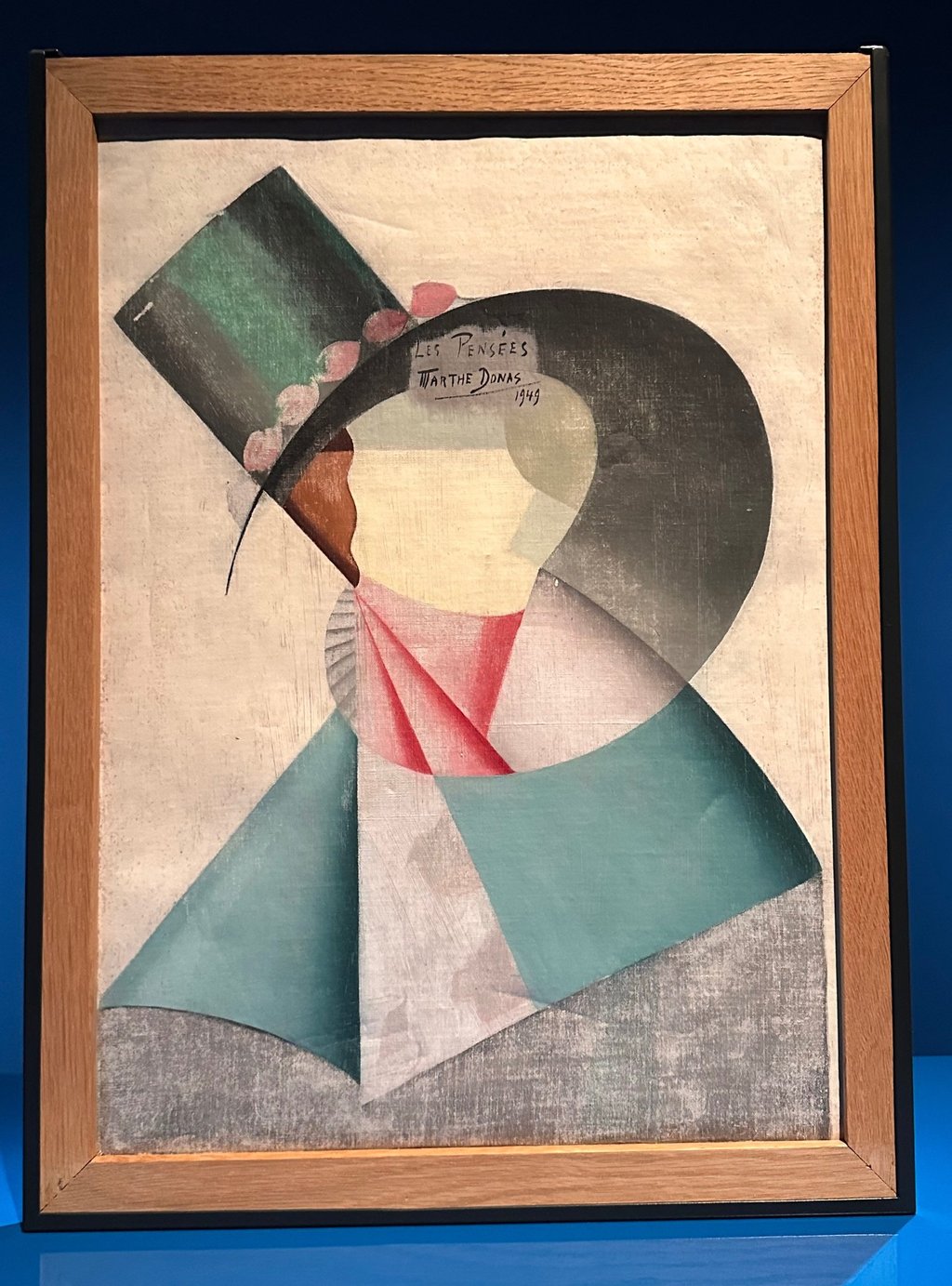
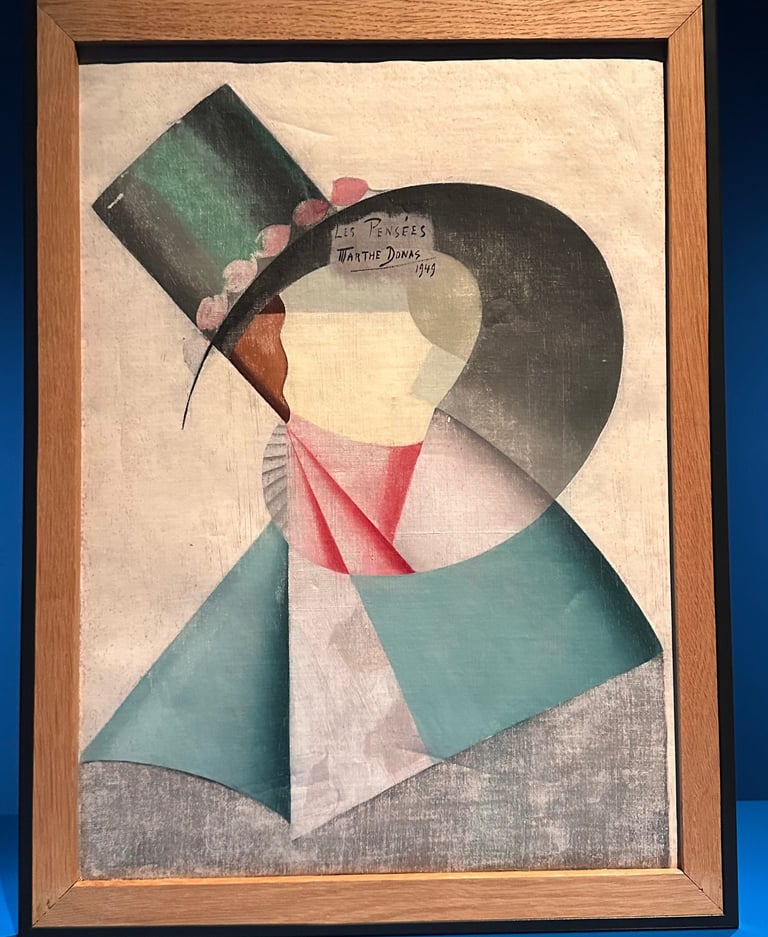
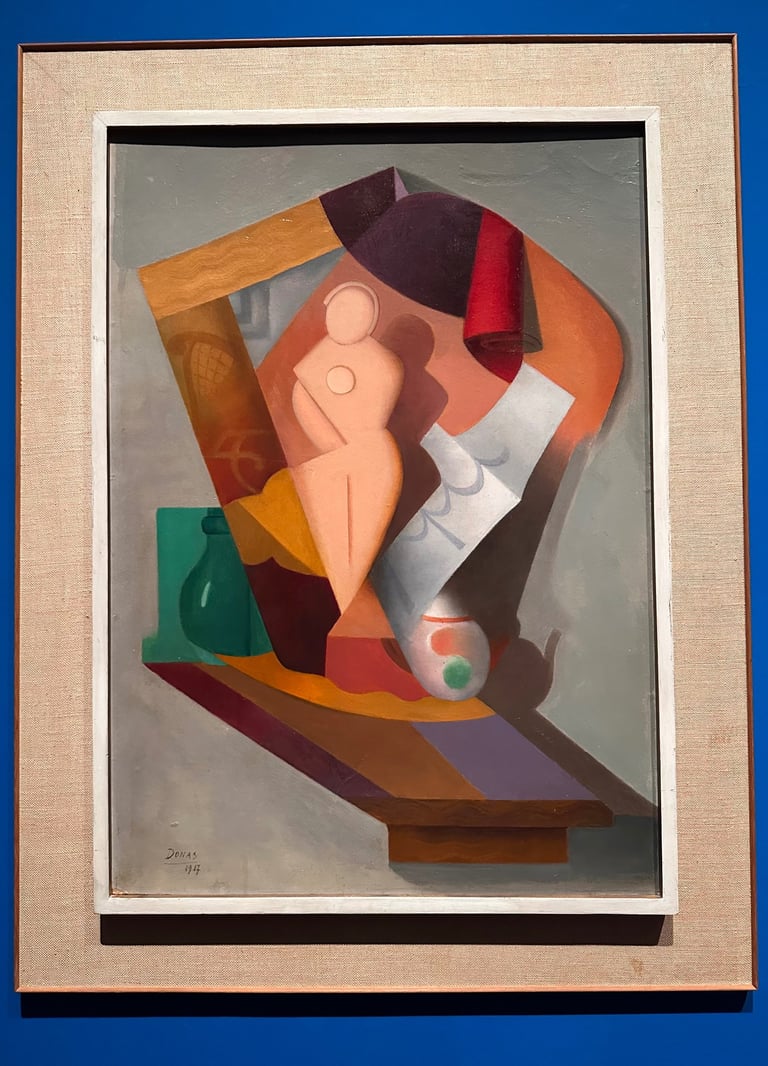
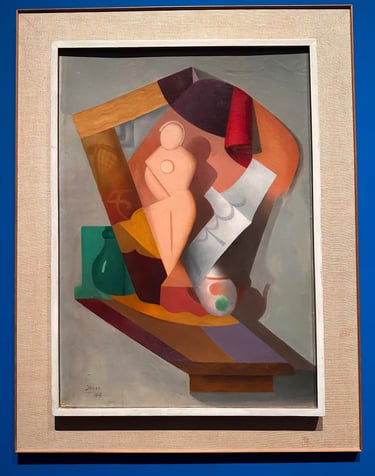
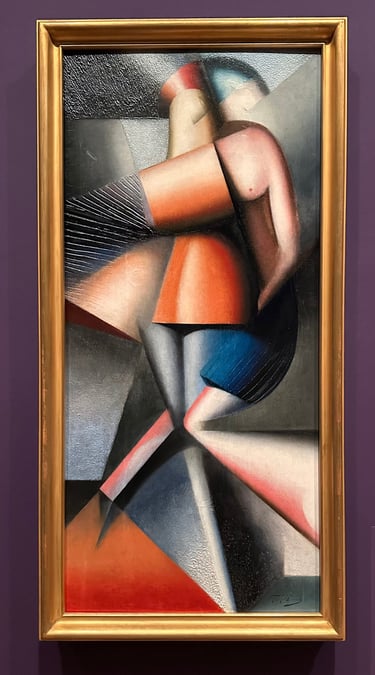
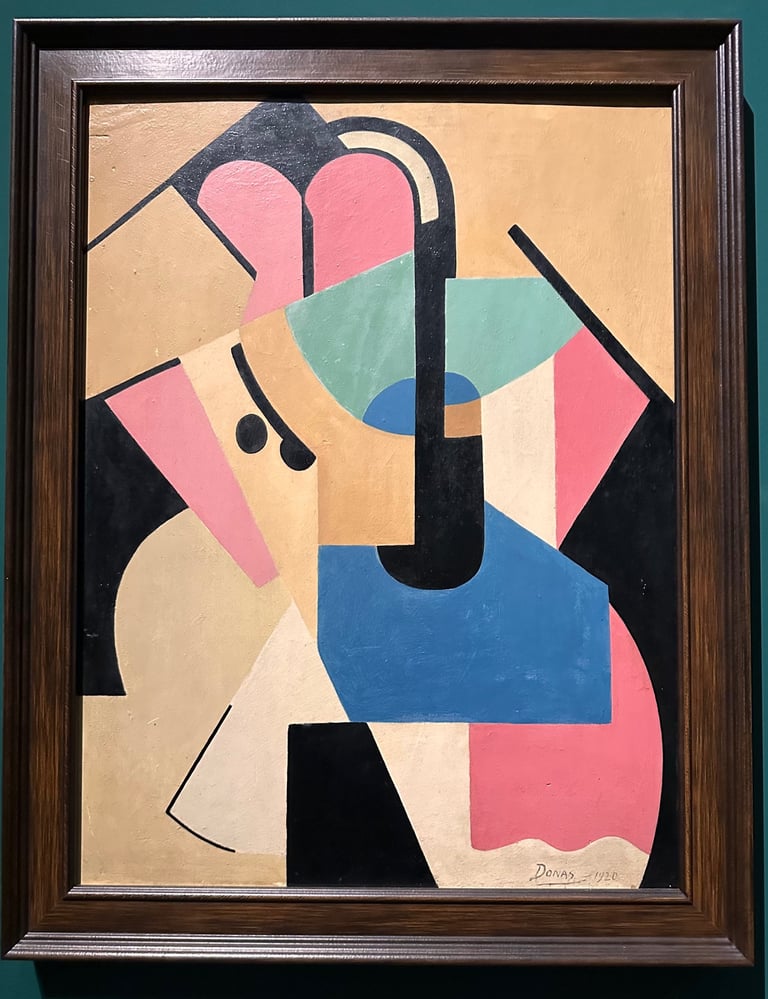
In the early twentieth century, it was not common for women to identify as visual artists. However, Donas, a visionary in her own right, refused to accept this convention that confined creativity to the male experience. Supported by her circle of encouraging avant-garde thinkers, she established her artistic career in an unwelcoming environment. Initially, she worked under the mysterious, gender-neutral pseudonym 'Tour d'Onasky,' a name that encapsulated the intrigue and depth of her ambition. This was soon shortened to 'Tour Donas' for ease of recognition. Breaking into the male-dominated realms of cubism and abstract art was undoubtedly challenging for a woman, as these were considered the pinnacle of artistic achievement at the time. Her artist friends, who had great faith in her talent, convinced her that she was too brilliant and original to exhibit under a female name. This compelled her to navigate a complex identity as both a woman and an artist. Few female artists have made as strong an impression through their work alone as Tour Donas, the pioneering abstract painter whose legacy continues to inspire countless female artists today. Her bold brushstrokes are revolutionary statements that challenge the status quo and pave the way for future generations. Like many of her generation, Donas believed that a new kind of art—one that was no longer individualistic, but rather geometrically distilled and universal—held the seeds of a new society. This belief was rooted in the idea that art could transcend personal expression to reflect collective experiences and aspirations, thereby fostering a sense of unity among diverse groups.
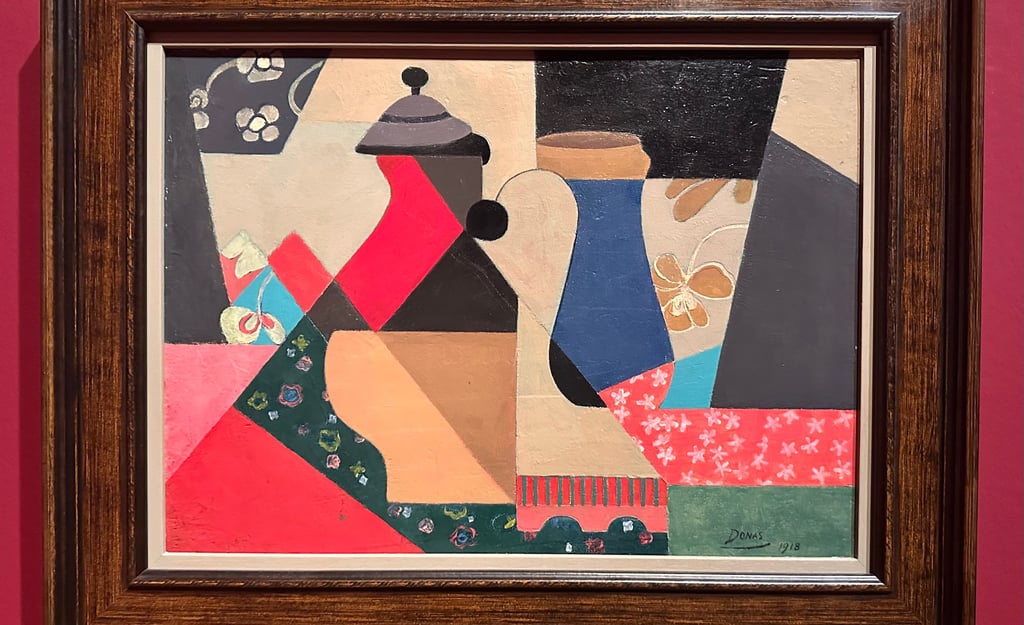
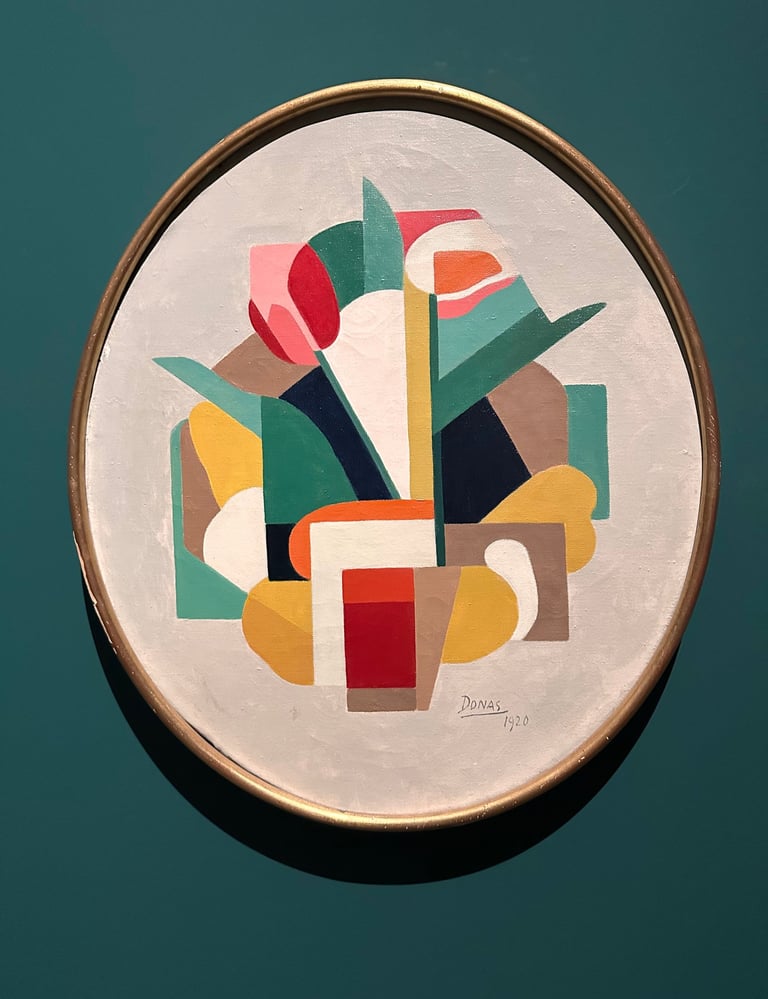
Donas' work features distinctive, exciting yet refined colours, mother-of-pearl shines and gradients. The liberation of colour seems to be a metaphor for her own liberation as a woman and an artist. Each brushstroke captures the essence of her experiences and emotions, reflecting her journey of self-discovery and empowerment. Her palette is a vibrant testament to the multifaceted nature of femininity, with every shade telling a story and resonating with depth. As viewers engage with her art, they are invited to explore the underlying themes of freedom, identity and the transformative power of creativity, as well as the visual allure.
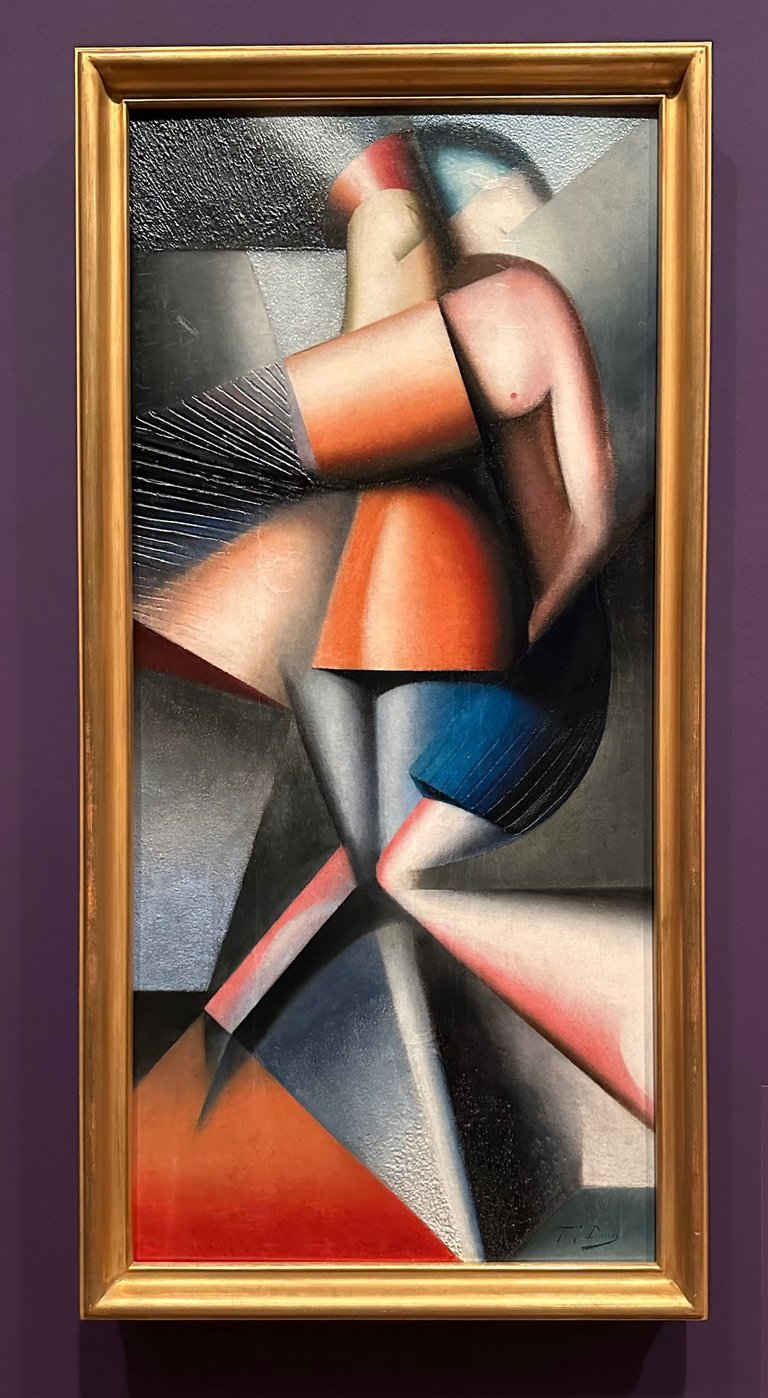
“FOR A WOMAN, TO ACHIEVE THE GOALS OF ART IS A LUXURY THAT FEW HAVE THE LEISURE TO ALLOW THEMSELVES. LITTLE THOUGHT IS GIVEN TO THE PAINFUL EFFORT OR THE COURAGE A WOMAN REQUIRES TO DARE EXPRESS THE NEW THINGS HER SENSIBILITY BRINGS FORTH, AWAY FROM THE EASY, COMMON PLACE PATH OF THE HERD.” — MARTHE DONAS